A double blow to tumours
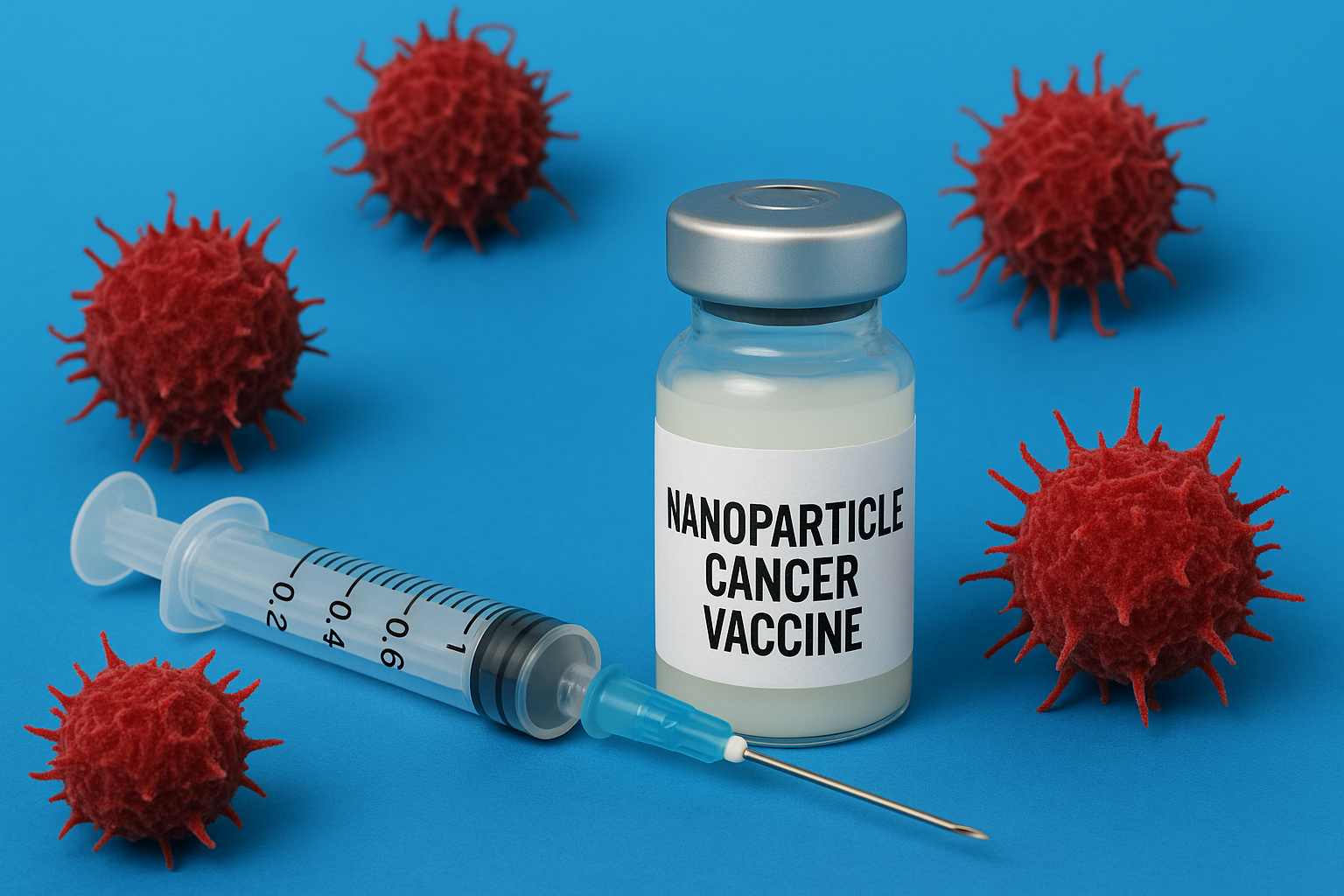
Researchers from University of Massachusetts created a nanoparticle vaccine that combines two immune stimulants (adjuvants) in a lipid capsule. This approach activates both innate, and acquired immunity, by training the body to recognise and destroy cancer cells.
In experiments on mice, the drug stopped the development of melanoma, pancreatic cancer and triple negative breast cancer - one of the most aggressive forms of cancer.
How the vaccine works
The nanoparticles contain tumour proteins (antigens) that help the immune system “remember” the enemy. The vaccine is injected subcutaneously three times, within a few weeks.
The study showed that such particles effectively penetrate the lymph nodes, where key immune response cells are activated dendritic cells. This triggers the production of T and B cells, which form a stable anti-tumour immunity.
The result: up to 88% of prevention
During the tests, the new vaccine prevented the development of tumours in 88% cases, and significantly reduced the risk of metastasis.
According to Professor Prabhani Atukerale, lead author of the study, the “combines two lines of immune defence, creating a lasting memory against cancer.”.
The next step is clinical trials
So far, the experiments have been conducted only on animals, but the results provide grounds for further research on humans.
Scientists hope that in the future this technology will become a universal platform for fighting various forms of cancer, especially those that are currently virtually untreatable.