New governments - new signals
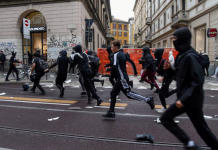
European politics is entering a period of turbulence. Following the parliamentary elections in France and Italy and coalition negotiations in Germany, the issue of support for Ukraine has become not just a topic of debate, but a test of the resilience of European unity.
Although Brussels officially remains committed to helping Kyiv, more and more governments are talking about the need to «reconsider the scope and forms of support». The French right is calling for «realistic diplomacy,» Italian parties are calling for «limiting military spending,» and in Berlin, the notion of “war fatigue”.
Economic factor: energy, sanctions, social sentiment
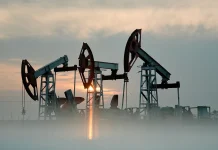
According to the European Commission, rising energy prices in 2025 will again put pressure on state budgets.
Despite the decline in inflation, voters expect solutions that will improve the domestic situation rather than finance the war in the east of the continent.
Analysts at the Centre for European Policy in Brussels note:
“The Ukrainian issue is turning into a marker of internal political struggle - who stands for reforms and values, and who plays on populism.”.
Ukraine's position: betting on strategy
Official Kyiv sees political changes in the EU as a challenge but also as an opportunity. Ukrainian diplomacy focuses on bilateral agreements, and not just on general EU aid packages.
For example, Ukraine has already agreed on updated defence cooperation programmes with Poland, Romania, the Czech Republic and the Baltic states, which remain the «locomotive of support» in military terms.
Outlook for 2025
After the G7 summit and the upcoming European Parliament elections in 2026, it will be crucial not only to “whether to help Ukraine”, а “how and at what expense to do it”.
Europe is not abandoning Kyiv - it is looking for a new formula for cooperation that combines security, economic interests and public expectations.