Hong Kong to set up independent commission to investigate fire that killed 151 people
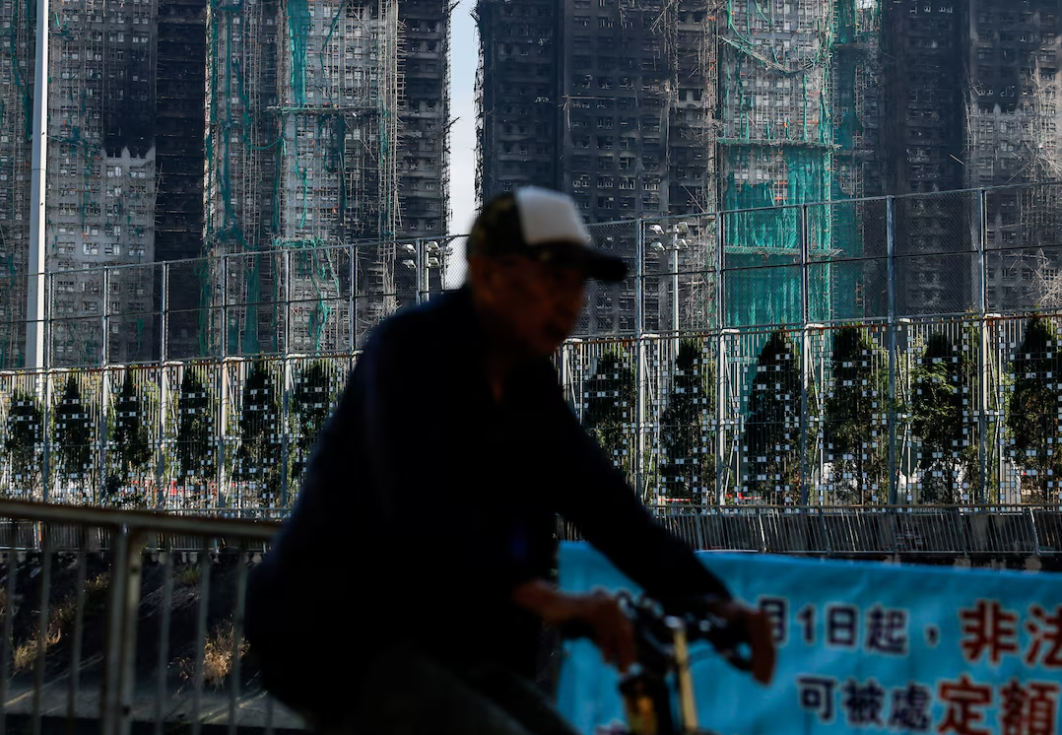
A fire at Wang Fuk Court, a residential complex in the Tai Po district of northern Hong Kong, killed at least 151 people. The authorities announced that they were creating an independent commission headed by a judge to investigate the causes of the tragedy and the circumstances that led to such a massive loss of life.
The police have already detained 13 people on suspicion of manslaughter. At the same time, the anti-corruption authorities have detained 12 people as part of an investigation into possible corruption related to the repair of buildings.
Causes and scope of the tragedy
Residents of the complex warned of the danger - even during the renovation, they expressed concerns about the construction work and materials. An official investigation shows that the following materials were used in the renovation process low-quality mesh, a protective film and combustible polystyrene panels, which accelerated the spread of the fire.
The fire engulfed seven of the eight towers of the complex, which was home to more than 4,000 people. About 1,000 people are still being searched for under the rubble or among the ruins. 30 people, The family members of the victims of the fire.
Reaction of the authorities and society
The Chief Executive of Hong Kong, John Lee, said that the commission of inquiry should find out all the circumstances, including the causes of the explosive spread of fire during the repair, negligence in the control of construction and possible corruption.
International human rights organisations have already expressed concern about the possible suppression of criticism, with some activists who have demanded an investigation being detained on charges of «spreading false information» or «extremism».
Implications for residents
Around 2,500 people have been left homeless and evacuated to temporary accommodation, hotels and shelters. The authorities have set up a special relief fund, providing financial support, assistance with restoring documents and meeting basic needs.
Many international communities and migrants, including domestic workers from other countries, have lost all their property or now have nowhere to live.