The US has set Europe a 2027 deadline for taking over NATO's defence functions
Washington this week informed its European partners that by 2027 they will have to take over most of NATO's conventional defence capabilities, from intelligence to missile systems. This was stated in a statement by US officials, who were contacted by Reuters.
What exactly does the US demand?
-
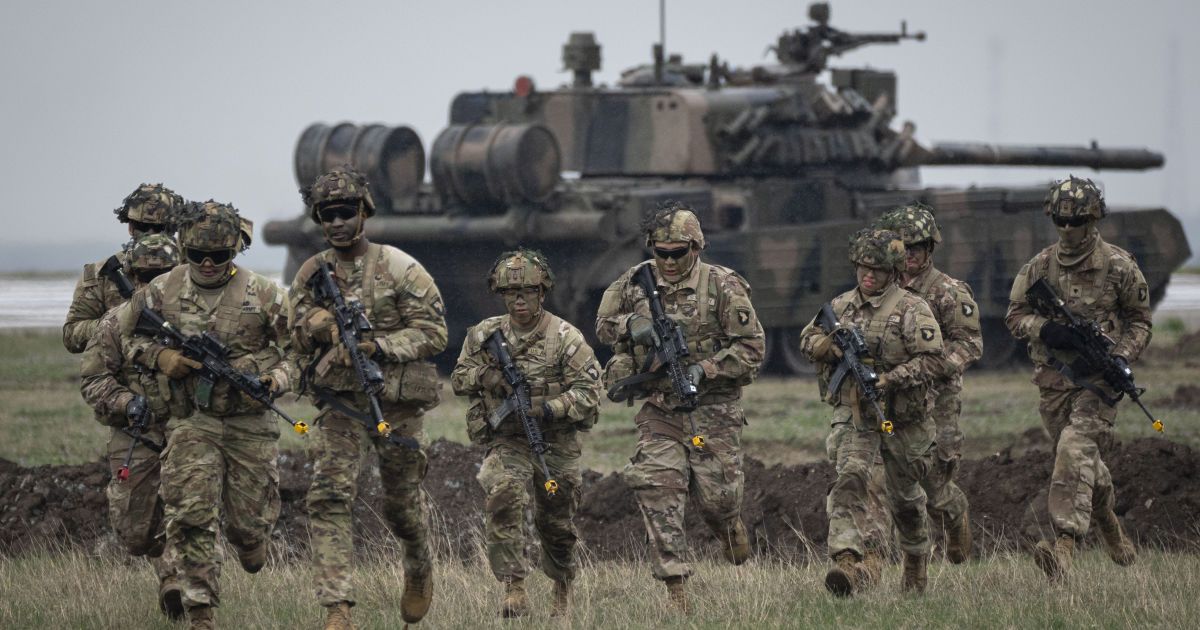
The European allies should take over NATO's key «conventional» defence functions, i.e. non-nuclear defence: troops, ground forces, intelligence, weapons, missile systems.
-
American representatives hinted that if Europe will not cope by 2027, the United States can stop participating in terms of mechanisms for coordinating Alliance defence.
Why now
According to sources, this ultimatum is related to the unsatisfactory pace at which European countries are building up their military capabilities after repeated calls from the West to support Ukraine. The United States believes that it is time for Europe to take on a greater security burden.
Reaction of the Europeans
Many European officials have said that the 2027 deadline is unrealistic. They note that even with active funding and growing budgets, it takes time to produce, logistics, train and create new opportunities - money is simply not enough.
It is also unclear, How the US plans to measure progress - That is, what criteria will allow us to consider that Europe has «assumed» a sufficient part of the defence burden.
What's changing for NATO
If Europe does not meet the conditions, it is possible that curtailing part of the US cooperation with NATOReduced participation in the Alliance's planning and support mechanisms. This could seriously affect the West's ability to respond to new threats, both from the East and in general.
🔎 Why it matters
This is a powerful signal for Ukraine and other allies. If Europe fails to rapidly increase its defence capabilities, the role of the United States as a guarantor of European security may change. This is another factor that affects the balance of power in the war against the aggressor.
On the other hand, the deadline encourages EU countries to invest more actively in defence - from budgets to local production of weapons and equipment.