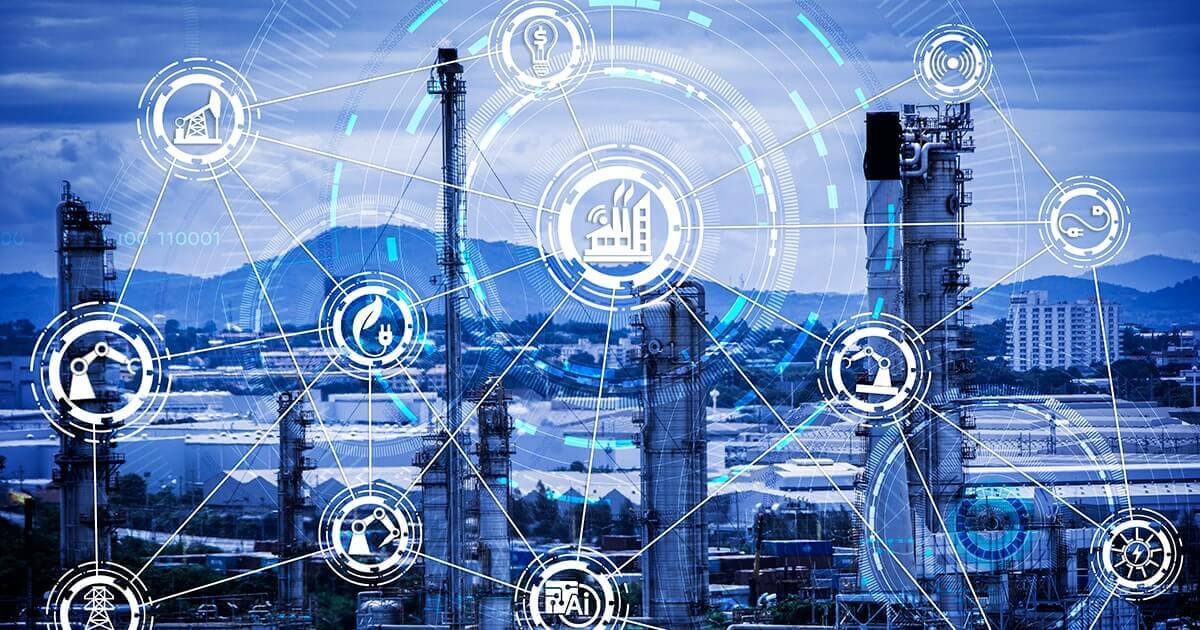
European Union announced a new economic strategy aimed at restoring Europe's industrial strength and strengthening its competitiveness in the global economy.
EU launches industrial breakthrough: a new strategy for competition
Brussels admits that the EU has lost ground in industrial development in recent years United States and China.
To remedy the situation, the European Commission is launching a new programme Industrial Acceleration Act, which should stimulate the development of production and return part of the industrial chain to Europe.
Industry should become the backbone of the economy
The EU stresses that industry should once again become a key driver of economic development.
According to official data, in 2024, the industry provided 14.3% of the EU's gross domestic product. Brussels' strategic goal is to increase this figure to 20% GDP by 2035.
The European Commission notes that the industrial sector is seen as the foundation for long-term economic growth, technological development and stability of the European economy.
Betting on «Made in EU» production»
One of the key principles of the new policy will be product priority «Made in EU».
This means that in public procurement and support programmes, preference will be given to European manufacturers and low-carbon industrial products.
Brussels seeks to stimulate domestic production and reduce dependence on imports.
Focus on heavy industry
The new strategy provides for support to strategic sectors of the economy, in particular:
steel industry
cement production
aluminium industry
automotive industry
zero emission technologies
These sectors are seen as key to ensuring Europe's technological autonomy.
Economic security and technological sovereignty
The European Union also plans to strengthen economic security and reduce dependence on external suppliers.
Brussels acknowledges that in recent decades, some production chains have been lost due to globalisation and the relocation of production outside Europe.
The EU is now focusing on rebuilding its own industrial base, which should become the basis for economic growth, technological sovereignty and stability of the European economy.




 Ukrainian
 English