
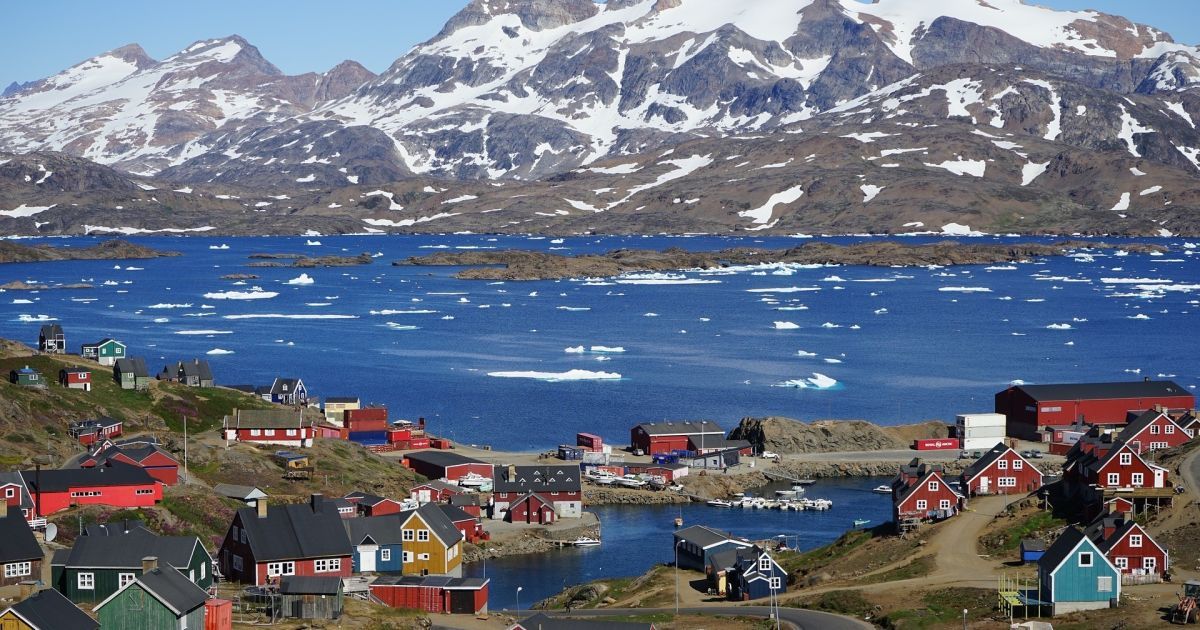
Europe is preparing scenarios to respond to a possible US attempt to seize Greenland
European countries are considering several scenarios for responding to the US intentions to establish control over Greenland. According to Politico, citing European diplomats, the rhetoric of US President Donald Trump is no longer perceived as a political bluff.
Brussels is openly talking about the need to prepare for a potential direct confrontation with Washington. The French Foreign Minister, together with his colleagues from Germany and Poland, has already discussed a possible joint European response.
Details of the case
According to Politico's sources, Europe is considering several options for response:
Compromise through NATO. Strengthening the Alliance's military presence in the Arctic, conducting additional exercises and deploying deterrence forces to reduce tensions with the United States.
Financial countermeasure. The European Union plans to almost double funding for Greenland from 2028 to €530 million, to prevent its economic and political drift towards the United States.
The economic answer. Brussels does not rule out the use of the so-called «trade bazooka» - tough trade restrictions against the US in case of pressure or blackmail.
Military presence. If Denmark officially requests help, some EU countries may send troops to Greenland as a deterrent.
At the same time, the US Secretary of State Marco Rubio said that he plans to discuss with Denmark the issue of a possible «acquisition» of Greenland next week. The White House stressed that negotiations remain a priority, but that a forceful scenario is not ruled out.
Context.
Greenland is of strategic importance due to its location in the Arctic, access to sea routes, mineral resources and military infrastructure. The issue of control over the region is increasingly becoming an element of global competition between the US, Europe, China and Russia.
The escalation over Greenland is taking place against the backdrop of broader changes in international politics, the transformation of NATO's security system, and rising geopolitical tensions in Northern Europe and the Arctic.

 Ukrainian
 English