Hungary seeks to create an “anti-Ukrainian” bloc with the Czech Republic and Slovakia
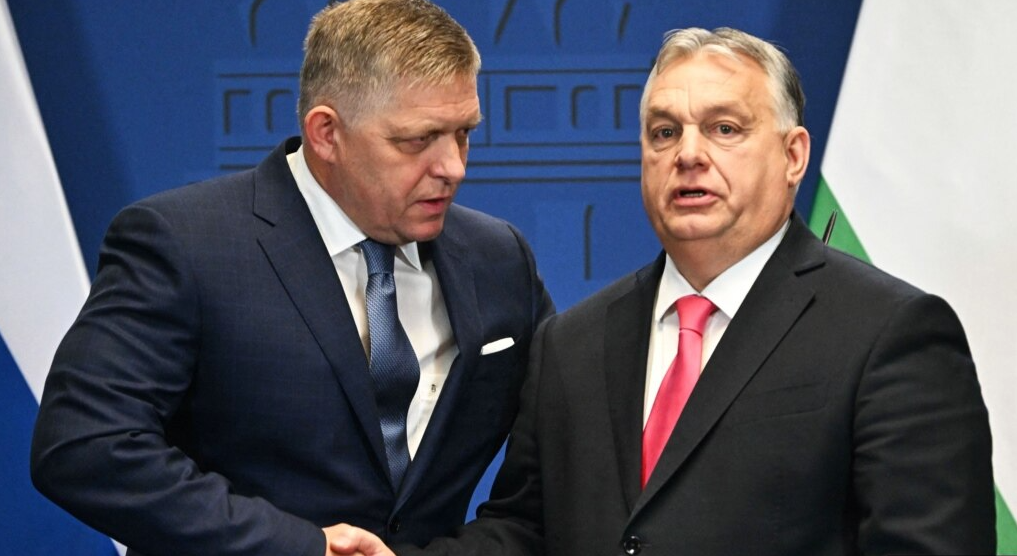
Hungary's leadership, led by the prime minister Viktor Orban is considering the possibility of creating a political bloc with the Czech Republic and Slovakia, which will be largely sceptical about supporting Ukraine. This was reported by the media outlet POLITICO with reference to sources in Budapest.
Why this is happening
- Orban and his associates believe that the current EU policy towards Ukraine and Russia does not take into account the interests of Hungary, the Czech Republic and Slovakia, particularly in the energy sector and immigration.
- Hungary, which is heavily dependent on Russian energy supplies, calls some of the sanctions against Moscow a “threat to its own economic security”.
- In Slovakia, the prime minister Robert Fico has already stated that the country does not support new sanctions packages against Russia until its energy risks are taken into account.
- In the Czech Republic Andriy Babish promises to cut off military aid to Ukraine and change its foreign policy, which creates fertile ground for such a bloc.
How this could affect the EU and Ukraine
The creation of such a bloc would mean another obstacle to European unity in supporting Ukraine and diminishing the influence of the Western course.
Ukraine could face diplomatic pressure from several EU member states, which would benefit Russia, which is seeking to divide the European front.
For the EU, this is a signal that internal divisions are growing: member states are increasingly focused on their own interests rather than a common foreign policy.
What analysts say
Political experts point out that such a bloc may be less influential in form than in effect - a «symbol» of changes in the balance of power in Central and Eastern Europe. It will not necessarily lead to the collapse of the policy of support for Ukraine, but it will significantly complicate its implementation.
«If Hungary, Slovakia and the Czech Republic act in concert, they can block key decisions on sanctions and aid to Ukraine,» says an analyst at the European Council on Foreign Relations.
 Ukrainian
 English