
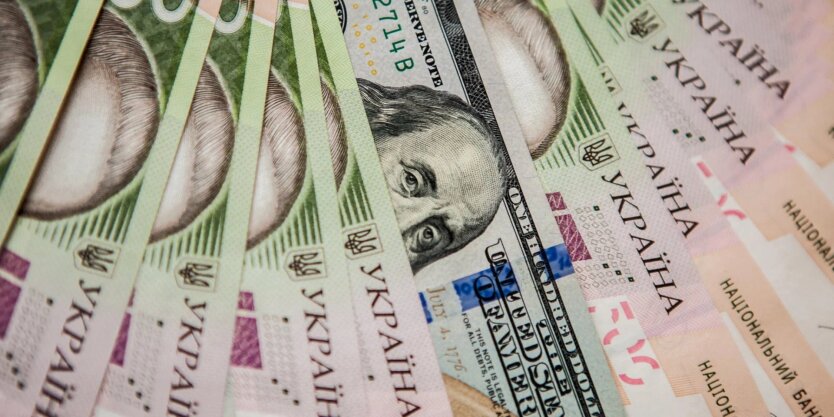
The IMF sees devaluation as a tool for fiscal stimulus
According to Bloomberg, The IMF is putting pressure on the National Bank of Ukraine to gradual weakening of the hryvnia exchange rate, The government argued that this would increase budget revenues denominated in the national currency.
«The gradual weakening of the exchange rate will increase budget revenues denominated in the national currency,» the IMF states.
Why does Ukraine need it and what are the risks?
Ukraine is currently negotiating a new loan package with the IMF in the amount of up to $8 billion, and the fund believes that the devaluation of the hryvnia is one of the important steps to stabilise public finances before the deal is concluded.
However, for Ukraine, this is fraught with risks:
higher import costs → higher inflation;
Reduced purchasing power of citizens;
possible negative impact on business confidence in exchange rate stability.
What are the consequences and what can happen next
If the NBU agrees to the IMF's terms, the hryvnia exchange rate may gradually depreciate within a certain band.
At the same time, the fund may demand other reforms: budgetary discipline, financial transparency, and the fight against corruption.
Ukraine will have to weigh the economic necessity against the social risks of changing course.



 Ukrainian
 English