
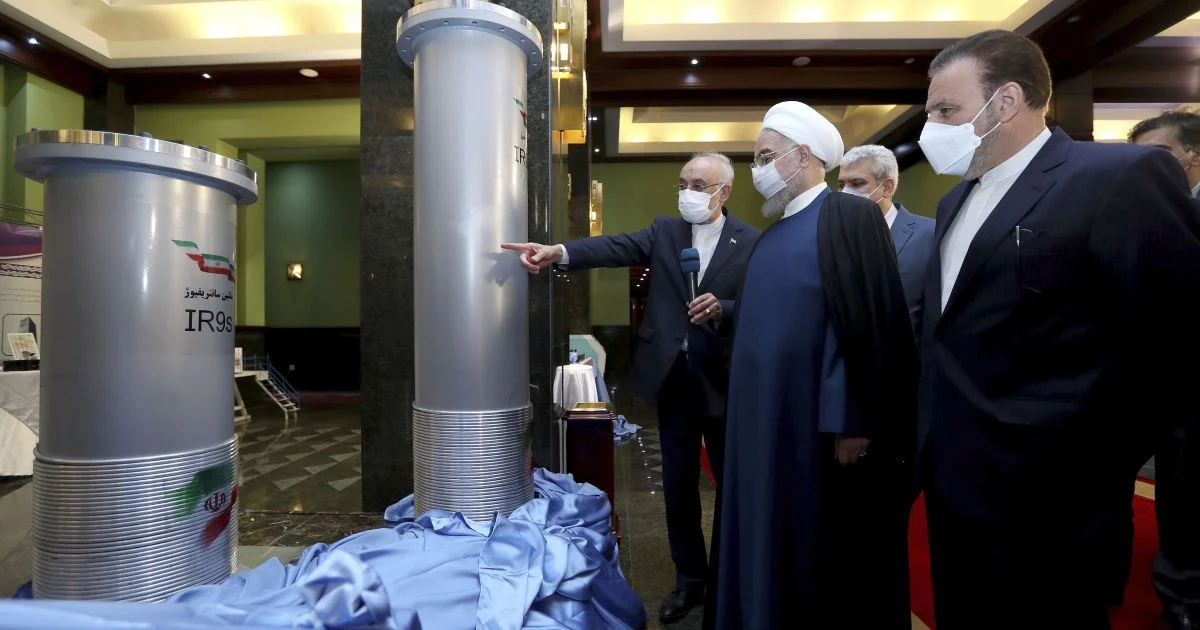
Iran rejects US nuclear offer and will not stop uranium enrichment
According to the publication The Wall Street Journal, Iranian authorities have officially rejected the new US nuclear offer and have no plans to curtail its uranium enrichment programme. This was stated by the country's supreme leader Ali Khamenei, calling the conditions contrary to the national interests and the principle of self-sufficiency of the state.
Rejection of American conditions
According to the WSJ, the Iranian leadership considers the proposed model of the deal to be unfavourable and limiting the country's strategic capabilities. Tehran emphasises that the nuclear programme is part of the country's sovereign course.
Representatives Iran have also signaled that they will not agree to a complete curtailment of uranium enrichment, even in exchange for sanctions relief.
US discusses options for military action
Publications. The New York Times citing sources in the White House, reports that Washington is considering a military operation against Iranian facilities in the next two days.
We are talking about potential attacks on the infrastructure associated with the nuclear programme.
Scenarios discussed by the Trump team
According to CNN, President's team Donald Trump analyses several options, ranging from targeted strikes on nuclear facilities to broader attacks on military and government infrastructure, as well as on those responsible for the regime's security.
Media reports say that no final decision has been announced, but that military options are being actively considered.
Strengthening the grouping of forces
Western sources report the concentration of US naval and air forces in the region. This is seen as an instrument of pressure on Tehran and a demonstration of readiness for a military scenario.
At the same time, the Iranian side, through intermediaries, sends signals of readiness for negotiations, but publicly warns of a tough response in the event of an attack.
Context of nuclear negotiations
The situation around Iran's nuclear programme is once again entering a phase of escalation amid a diplomatic deadlock. The combination of refusal to accept new terms of the deal and discussion of military scenarios increases the risk of rapid escalation in the Middle East.
Experts believe that the coming days will be crucial for further developments - either in the direction of new negotiations or a violent confrontation.


 Ukrainian
 English