
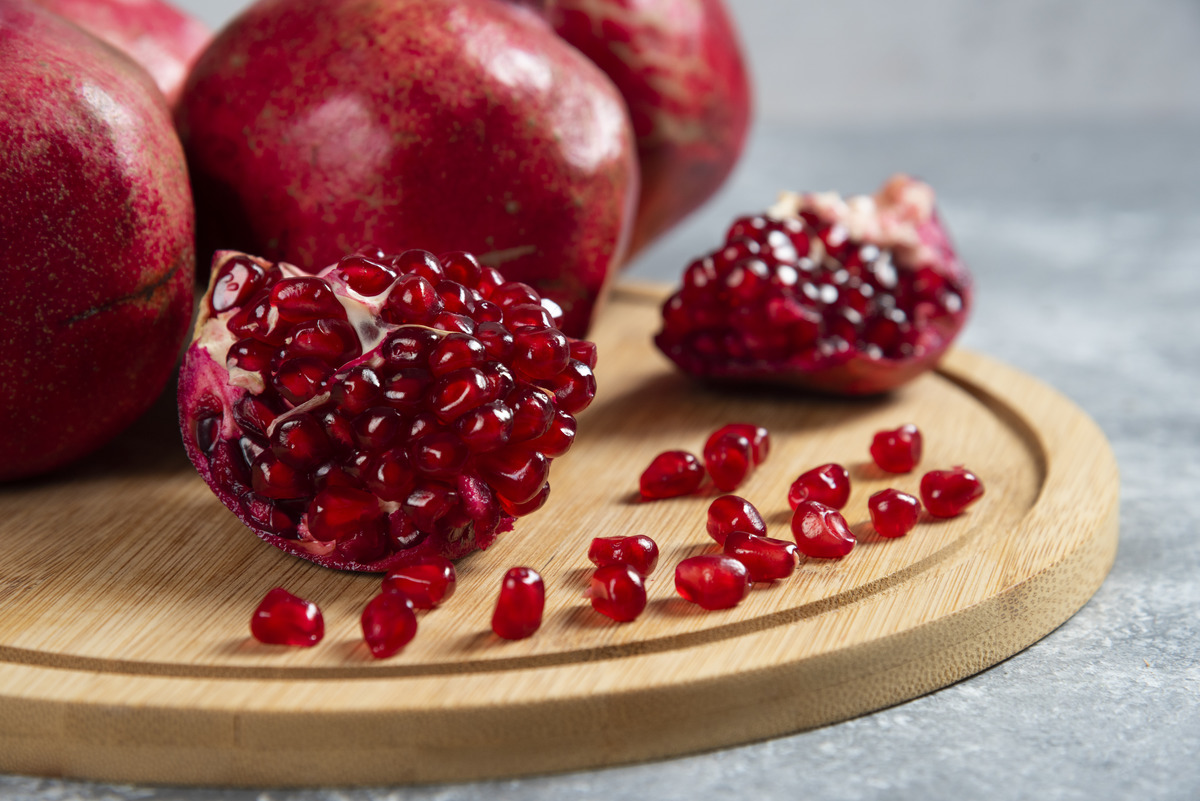
Eating pomegranates regularly can support the immune system and help the body fight off viral infections. Studies show that this fruit contains substances that can inhibit the reproduction of certain viruses.
Pomegranates help protect against viruses: what research says
Pomegranates are rich in antioxidants, polyphenols and vitamin C, which play an important role in supporting the immune system. Thanks to these components, the fruit helps the body fight inflammation and oxidative stress.
Scientific studies also show that pomegranate extract can inhibit the activity of certain viruses in the laboratory. Some studies show that pomegranate polyphenols can slow down the reproduction of viral particles.
Potential impact on influenza and herpes
The researchers point out that pomegranate's bioactive compounds can affect influenza viruses and herpes simplex virus. In laboratory experiments, they demonstrated the ability to block the attachment of viruses to cells.
However, experts emphasise that such results were obtained mainly in laboratory conditions. Therefore, pomegranate cannot be considered a cure for flu or herpes, but it can be a useful part of a healthy diet.
How to eat pomegranates correctly
Experts advise adding pomegranates to your daily menu fresh or in the form of natural juice without added sugar. The most beneficial are fresh grains, which contain the maximum amount of nutrients.
Pomegranates also go well with salads, yoghurt or cereals, making it easy to include in a balanced diet.
Context.
Strengthening the immune system through nutrition is one of the most important factors in preventing seasonal infections. Doctors recommend combining proper nutrition with adequate sleep, physical activity and flu vaccination.
Pomegranate is just one of the foods that can support the body, but it is not a substitute for medical methods of prevention and treatment.






 Ukrainian
 English