Why high-rise buildings are most at risk
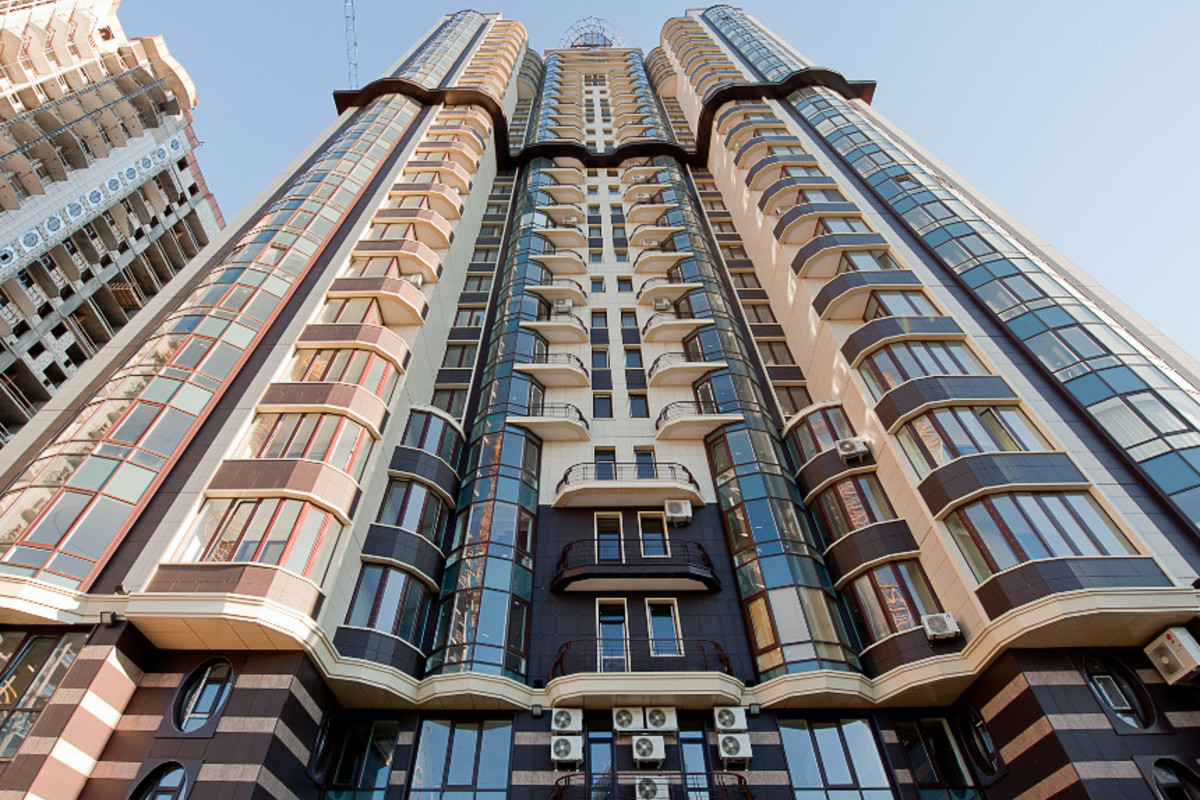
According to the publication Telegraf, The most vulnerable are new high-rise buildings with a height of 25 floors or more. In such buildings, the water supply to the upper floors is entirely dependent on electric pumps.
Without electricity or in the absence of pressure in the network, water does not physically rise above about 12-14 floors. Therefore, residents of the upper levels may be left without water supply even if the water supply is partially supplied to the building.
Heating: from two weeks to a month without heat
Heating in new buildings is a separate problem. Experts warn that newly built houses may be left without heating from two weeks to a month due to the lack of heat carrier in the central network.
Even if the condominium or developer has installed diesel generators or solar panels, this only solves the issue of electricity in the building. If there is no coolant in the main pipes, the pumps simply pump air, and the batteries remain cold.
Sewage and water: how a house becomes uninhabitable
In the absence of a stable power supply, the following equipment quickly fails sewage systems. The pumps do not pump out the wastewater and this can lead to accidents, flooding and sanitary hazards.
The situation worsens if the water supply is cut off at the same time. Without water and a working sewerage system, even a modern new building turns into a space where it is almost impossible to live normally in a few days.
What is the advice for residents of new buildings
Experts advise residents of high-rise buildings to prepare in advance for a possible difficult winter:
Have a supply of drinking and process water;
take care of alternative heat sources within the limits of safety;
check with the management company or condominium association whether there are backup power supply circuits for pumps and equipment;
follow the official announcements regarding the outage regimes.
In the event of prolonged interruptions in electricity, heat and water supply, new buildings, despite their modernity, may be the least adapted to life in a protracted energy crisis.



 Ukrainian
 English