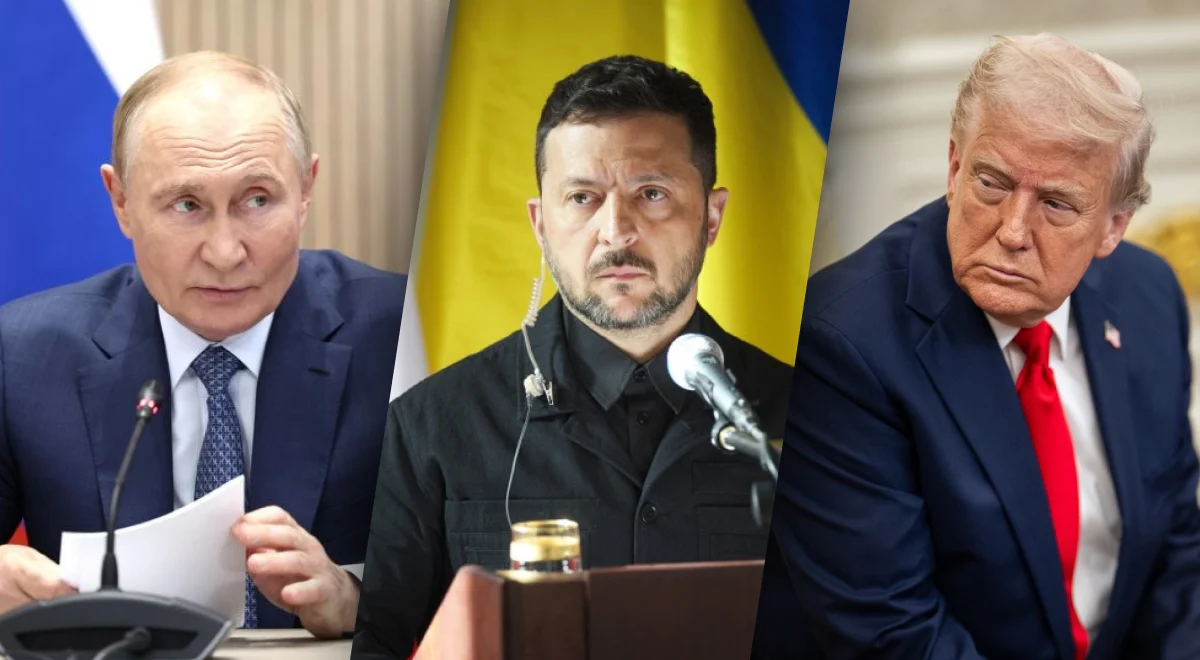
Results of 2025 for Ukraine: Frontline, Diplomacy and the Course to the EU
The stakes for Ukraine in 2025 were once again existential: to hold the country together under the pressure of war, to maintain external support, and to push forward with the reforms that EU integration depends on. The year was marked by intense fighting along a major frontline, the «drone war» and winter energy strikes, as well as negotiations with allies on security guarantees and long-term financing.
War and security: drones, infrastructure, energy winters«
In 2025, Russia continued to rely on systematic strikes on the rear, primarily on energy, logistics and housing infrastructure. At the end of the year, Odesa again came under a massive drone attack: civilians, including children, were injured, energy facilities were hit, and high-rise buildings were damaged.
At the same time, the focus on nuclear safety continued at the international level. At the end of December Raphael Grossi announced the completion of critical repairs to the power line near Zaporizhzhya NPP within the local «window of silence» and under safety guarantees.
Diplomacy: from the «peace framework» to the request for guarantees
The key topic of the year was the ceasefire and security guarantees for Ukraine. Western discussions were gradually shifting from the formula of «as much aid as needed» to the question of «what kind of deterrence architecture will work after the agreement». At the end of the year, Reuters reported that Ukraine insisted on «credible guarantees», given the previous experience of unfulfilled assurances.
At the same time, the narrative of force was reinforced in the public space: according to Reuters, the Russian leadership claimed to be making advances and named significant areas of territory to be seized in 2025. These allegations are part of a narrative that Ukraine and its partners regularly dispute, but they influenced the background of the negotiations and the rhetoric.
European integration: «roaming like at home» and EU assessments
Despite the war, 2025 brought Ukraine a tangible European integration result that citizens will feel literally in their pockets: The EU Council decided to integrate Ukraine into the Roam Like at Home zone from 1 January 2026 - without additional charges for mobile communications and the Internet in the EU for Ukrainian numbers (and vice versa for Europeans in Ukraine).
At the level of the EU institutions, in 2025, the overall positive tone regarding Ukraine's reforms and sustainability as a candidate country remained, as reflected in the European Commission's 2025 profile report on Ukraine.
Economy and recovery: money, investment, transparency
The economic agenda of the year was balanced by three things: defence spending, support for partners, and the launch of recovery mechanisms. Among the notable steps was the agreement between the US and Ukraine to establish a Reconstruction Investment Fund, signed in the spring of 2025.
At the same time, the «price of trust» was increasing: the effectiveness of institutions, anti-corruption mechanisms and control over reconstruction were becoming increasingly important to partners, as this determines the pace of money and decisions.
Details of the year: what were the turning points
Stabilising international support around security guarantees and long-term money (not just «month or two packages»).
Restoration of critical energy infrastructure near ZNPP under local security guarantees is an important precedent for future «windows of silence».
The EU's decision on Roam Like at Home as a symbol of Ukraine's «day-to-day integration» into the common services market.
Context: why 2025 set the framework for 2026
The year 2025 did not bring any «easy finals», but it did set clearer rules for 2026:
The war continues to require technological adaptation and home front protection;
Diplomacy is moving into a phase of specifics - guarantees, mechanisms and control;
The EU course is becoming not a declaration, but a set of tangible decisions and commitments for people (such as roaming).

 Ukrainian
 English