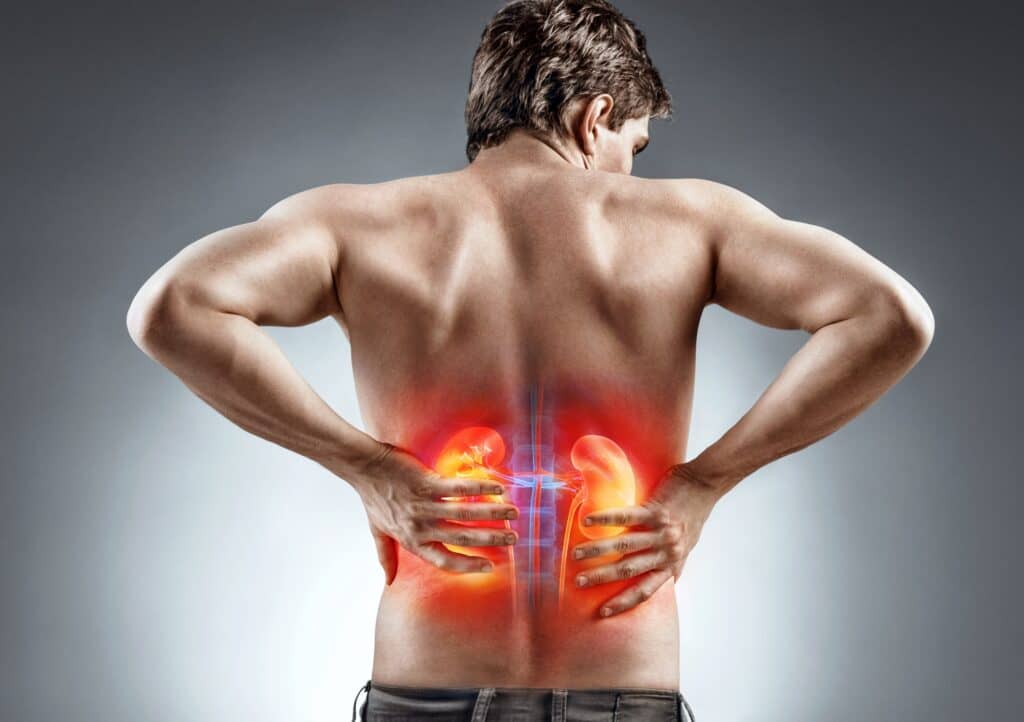
Psychosomatics of the kidneys: when emotions hit the natural filter
In today's world, more and more attention is being paid to the connection between a person's psychological state and physical health. One example of this relationship is psychosomatics of the kidneys - a situation where emotional experiences can aggravate or even provoke problems with this important organ.
Why the kidneys react to emotions
In psychosomatic medicine, the kidneys are often associated with feelings of fear, anxiety, resentment and inner tension.
Prolonged stress activates hormonal mechanisms that affect the:
blood pressure;
water and salt balance;
vascular tone;
inflammatory processes in the body.
All this can put an additional strain on the kidneys, which act as a natural blood filter.
Psychological risk factors
Experts identify several emotional states that are most often associated with deterioration of kidney function:
chronic anxiety and fear for the future;
repressed anger or resentment, The person does not express them;
a sense of insecurity and instability;
emotional exhaustion after a long time of worry.
These conditions are not a direct cause of disease, but they can weaken the body and complicate the course of existing renal pathologies.
Symptoms to look out for
A combination of physical and psychological symptoms can signal the need for comprehensive care:
pulling pain in the lower back without an obvious cause;
changes in the colour or frequency of urination;
high blood pressure;
constant fatigue and anxiety.
In such cases, it is important to contact not only the nephrologist, and, if necessary, to a psychologist or psychotherapist.
How to maintain kidney health
An integrated approach helps to reduce both physical and emotional stress:
regular medical examinations;
monitoring blood pressure and fluid levels;
good sleep and reduced stress levels;
breathing practices, meditation or psychotherapy;
moderate physical activity.
The main thing is to remember that psychosomatics complement, It does not replace traditional medicine.
Context.
The study of the impact of psycho-emotional state on physical health is actively developing worldwide.
Doctors are increasingly talking about the need to a holistic approach to a person, where mental wellbeing is seen as an important part of chronic disease prevention.






 Ukrainian
 English