Beijing does not want to repeat the fate of Lukoil and Rosneft«
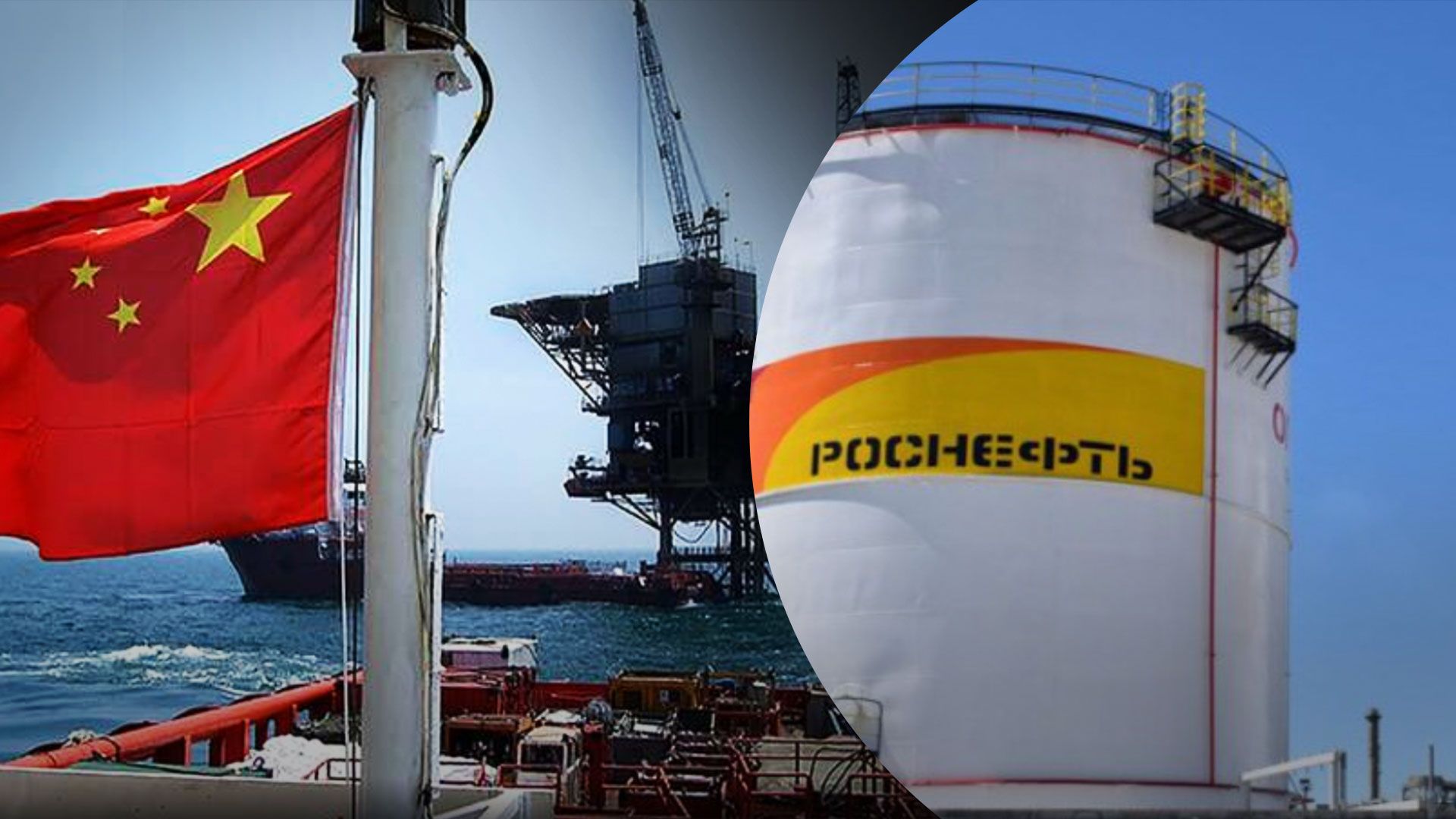
Chinese state-owned oil companies have suspended purchases of Russian offshore oil following new US sanctions against major Russian producers. Beijing's decision reflects the growing risks to global energy trade amid geopolitical tensions.
New US sanctions against Russian giants
The United States imposed new sanctions against two of Russia's largest oil companies, Rosneft and Lukoil, after unsuccessful talks with Russian President Vladimir Putin on the ceasefire in Ukraine. These measures are aimed at limiting Moscow's oil export revenues, which finance the war effort. The US Treasury announced sanctions that include asset freezes and a ban on transactions with subsidiaries of these giants.
The sanctions were imposed after Russia refused to accept ceasefire proposals, which led to an escalation of pressure from Washington. Experts believe that these steps could have a significant impact on the Russian economy, but are unlikely to force Putin to change course in the war with Ukraine.
Chinese companies' reaction: suspension of procurement
Chinese state-owned oil giants such as PetroChina, Sinopec, CNOOC and Zhenhua Oil have temporarily stopped importing Russian offshore oil from Rosneft and Lukoil. According to trade sources, Unipec, the trading arm of Sinopec, stopped purchases last week after the announcement of sanctions by the UK and later the US.
Beijing is assessing potential risks for its companies, fearing secondary sanctions from the West. “China does not want to find itself in a situation where its companies are subject to restrictions similar to those imposed on Russian giants,” analysts say. Although China has agreements with Rosneft for oil supplies through pipelines, there are no long-term contracts for sea deliveries, which makes it easier to temporarily suspend.
Impact on the global oil market
News of China's refusal to buy Russian oil led to a sharp rise in commodity prices. Brent Crude rose by almost 5% and WTI by 1.3% after the announcement of the sanctions. This could create a supply shortage for China and India, which are the main buyers of Russian oil.
Experts warn that a prolonged suspension could force Russia to look for alternative markets, but with sanctions in place, this will be difficult. “These sanctions are painful for Russia, but not fatal - they will only increase the pressure on the economy,” Al Jazeera commented.
Outlook.
Russia has faced similar problems before, when Western sanctions restricted access to technology and markets. China, as Moscow's key partner, is trying to balance its economic interests with the risks of confrontation with the US. Sources indicate that Chinese companies may resume purchases after assessing the risks, but for now, the priority is to avoid sanctions.
This situation underscores the vulnerability of global energy supply chains and could affect geopolitical dynamics in Asia and Europe.



 Ukrainian
 English