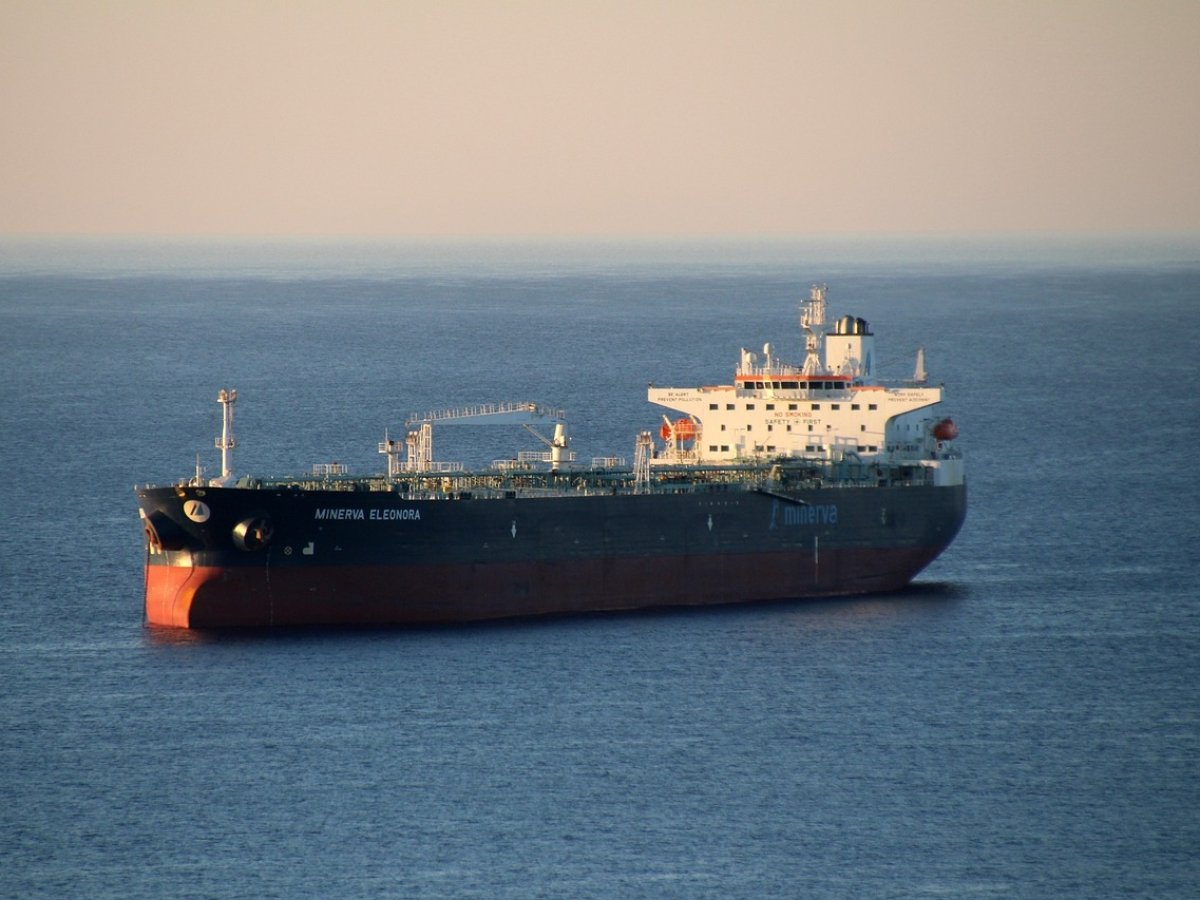
Tanker companies refuse to transport Russian oil after Trump's sanctions
After the introduction of new sanctions by the administration Donald Trump against the Russian oil sector, Greek tanker companies - one of the largest players in maritime transport began to refuse to work with Russian clients.
According to media reports, it was Greek shipowners who transported more than a third of all Russian oil exports, However, they are now curtailing cooperation due to the risks of secondary US sanctions.
Now it's a «shadow fleet»
Due to the withdrawal of European companies from the transport of Urals are now mainly engaged in vessels of the so-called “shadow fleet” of the russian federation.
However, even among them, caution is growing - some shipowners are trying to avoid ports that may fall under sanctions.
Analysts note that this situation will significantly complicate the logistics of Russian exports and increase its cost.
Transportation prices increased
After the imposition of sanctions freight rates have risen sharply.
If in early October, transporting a batch of Urals oil to India cost about $7 million, and now $8 to $10 million.
The rise in prices is due to a shortage of vessels and increased risk for insurance companies, which avoid covering Russian routes.
Implications for Moscow
Russia is losing access to proven European logistics channels;
The cost of oil exports is rising, which reduces budget revenues;
New US sanctions create the effect of gradual “energy strangulation” for the Russian market.




 Ukrainian
 English