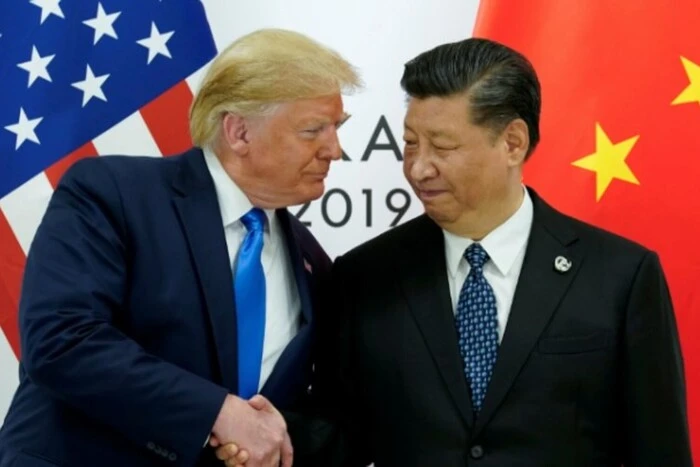
Trump and Xi Jinping negotiate: rare earth metals and tariffs in the crosshairs
Presidents USA Donald Trump і China's Xi Jinping negotiate on the sidelines of the summit APEC in Seoul, The US and China are seeking to ease tensions in trade relations between the two superpowers.
The key topics of the meeting were export of rare earth metals and the opportunity freezing of new US tariffs for Chinese goods.
China and the US in search of a compromise
China today controls about 70% of global production and more 90% rare earth metal processing - key components for the production of electric vehicles, smartphones, microchips and military equipment.
Washington fears that Beijing's export restrictions could lead to Disruption of global supply chains, while China sees the US sanctions policy as a threat to its industry.
«Both sides are interested in stability. The US wants to avoid a trade escalation, while China wants to maintain its position as a key supplier of strategic materials,» economic analysts say.
Probable deal
According to preliminary information, the parties are considering China postponing restrictions on the export of rare earth metals, and in response US may suspend 100% tariffs on Chinese goods scheduled for 1 November.
For Trump, such a deal would be an important political signal on the eve of the elections, And for Xi Jinping, it is a chance to reduce external pressure on the Chinese economy.
Potential implications for the global economy
If an agreement is reached, it could:
prevent a new round of trade war between the US and China;
stabilise Global technology and energy markets;
reduce inflationary pressures caused by tariff barriers.
However, experts emphasise that even a partial compromise does not mean a complete end US-China trade confrontation, which has been going on for more than five years.





 Ukrainian
 English