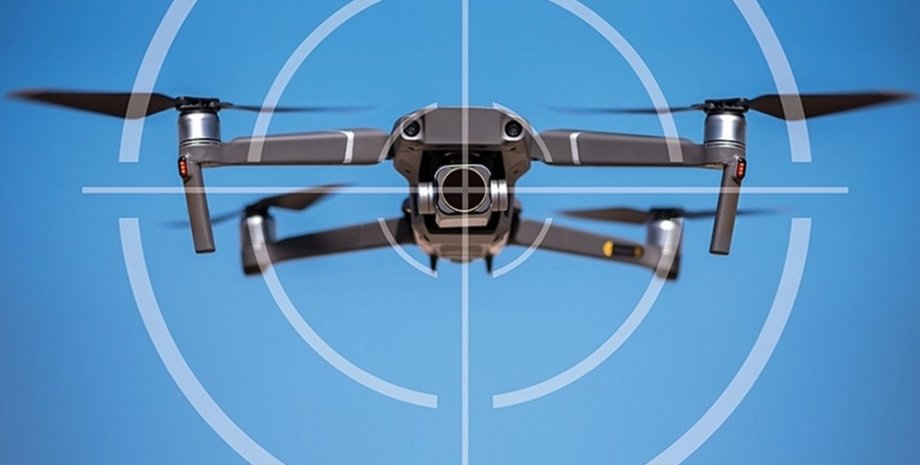
The US is preparing for a battle with drones: White House launches massive «anti-drone» shield ahead of 2026 World Cup and 2028 Olympics
According to media reports, the administration plans to spend about $500 million for counter-drone programmes. A portion of these funds should go through federal channels to states and local governments to purchase sensors, electronic jamming systems, mobile response vehicles, and personnel training. A similar funding mechanism has already been discussed in preparation for the 2026 FIFA World Cup and the 250th anniversary of the United States, as well as in connection with the upcoming Los Angeles Olympics.
The White House has previously set up a separate working group to prepare for the FIFA World Cup 2026, which coordinates actions between federal agencies and local authorities; this structure should also coordinate airspace security issues.
How the «anti-drone shield» will work»
The plan envisages a multi-level approach: an early detection system (radar, acoustic and optical sensors), integration of data into a single picture of the situation, rapid mobile response units and tools to neutralise small UAVs, from electronic jammers to systems that force a drone to change course or capture it. A separate block of funding should go to training local units and developing unified response procedures during mass events.
The practical application of such solutions is complicated by the technical integration of heterogeneous sensors and the risk of creating «network chaos», as well as the need to avoid interfering with legitimate civilian drones (medical, logistics, commercial).
Why the decision was made now
Pressure on the federal government to protect airspace has increased following a series of public incidents involving UAVs around the world and appeals from local leaders pointing to the vulnerability of major events. For example, governors and security chiefs in several cities have publicly insisted on enhanced protection for the 2026 mass event season.
In addition, during the year, the administration has already signed orders and initiated programmes to develop drone detection and countermeasures, and these efforts, according to the authorities, should now receive additional financial support.
Political and legal issues
The initiative immediately sparked political debate. Critics questioned the rationality and transparency of the costs: who would receive the contracts, how to ensure oversight of the use of suppression equipment, and how to prevent civil rights violations under the guise of «security». Questions have also been raised about coordination with the FAA and local authorities, as interference in airspace requires strict legal grounds.
Technical and operational risks include unlawful disruptions to civilian services, possible false targets and difficulties in attributing launches. That is why experts call for combining the acquisition of equipment with clear rules of use and public oversight.
What this means for viewers and event organisers
For visitors to the stadium or festivities, this is likely to mean more airspace control points, increased checks on approaches to venues and the visible presence of mobile response units. Organisers will receive financial and technical support, but will also be responsible for implementing procedures and communicating transparently with the public.
Conclusion.
An initiative with a significant budget - about $500 million - demonstrates that Washington is making airspace protection before mass events a national security priority. With proper coordination, transparent allocation of funds, and regulatory restrictions, such a programme could significantly reduce the risks to millions of participants and spectators. At the same time, the effectiveness of the measures will depend on technical integration, personnel training and strict legal regulation of the use of counter-drone equipment.





 Ukrainian
 English