War in the Middle East: Israel refuses to negotiate with Lebanon amid escalating conflict.
World conflict without progress towards peace
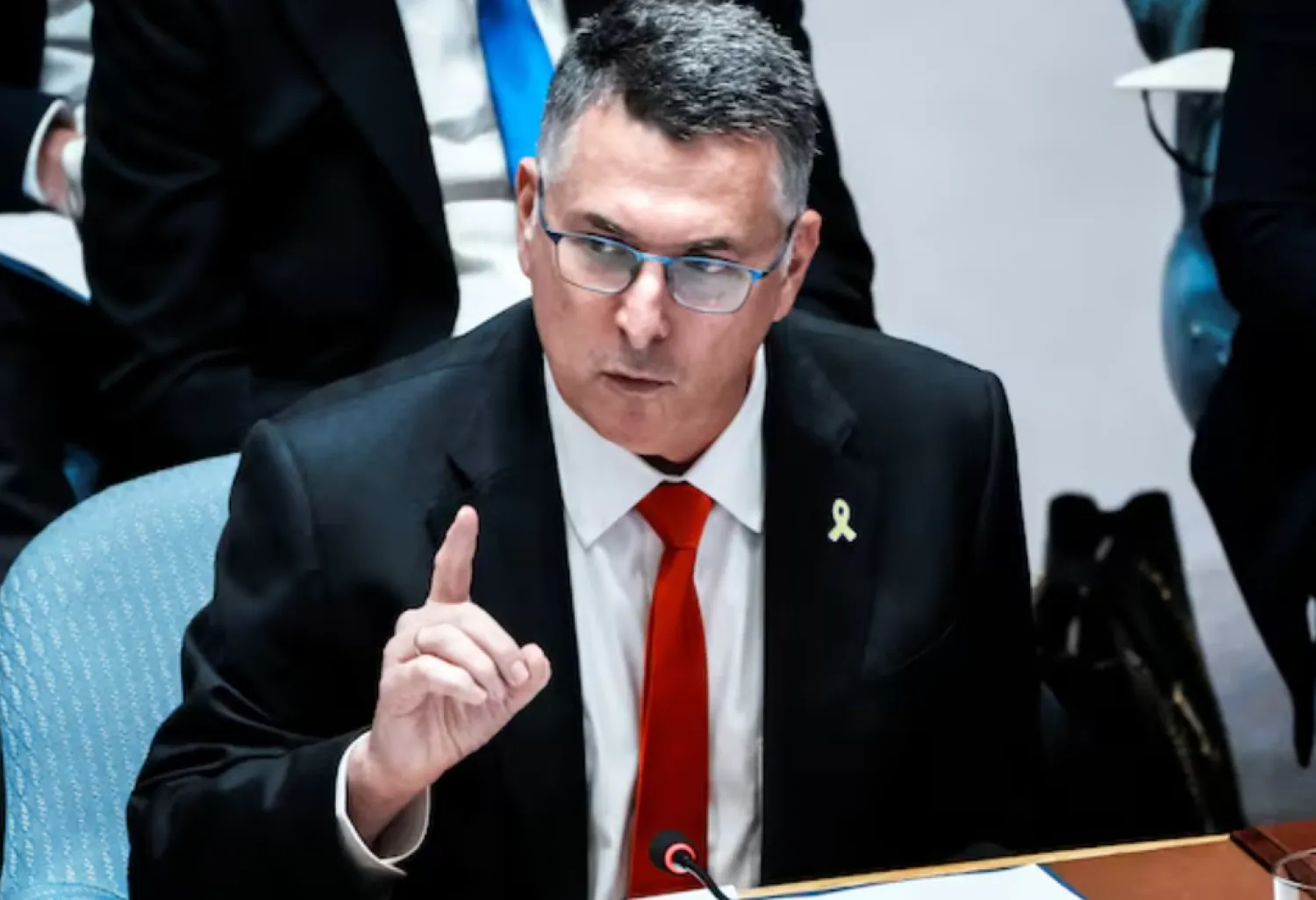
Israeli Foreign Minister Gideon Saar said that the Israeli government does not plan to hold direct talks with the Lebanese government in the coming days and did not discuss this with Washington, denying the relevant media reports. Saar also rejected allegations of a critical shortage of ballistic missile interception capabilities in the country.
This statement was made against the backdrop of a deeper war in the Middle East, The conflict arose after large-scale Israeli and US strikes on Iran and Tehran's subsequent retaliation. The conflict has been going on for more than two weeks and has escalated into a regional crisis involving several states and military groups.
The situation with Lebanon: diplomacy or war?
The intensification of hostilities has also reached southern regions of Lebanon, where Israel is engaged in clashes with the Hezbollah. Earlier reports suggested that Israel and Lebanon could start direct talks on de-escalation, even in Paris or Cyprus, with the participation of Washington.
However, Saar has officially denied this prospect. His position is part of a broader line of the Israeli leadership refusal to negotiate until the threats are fully neutralised, which, according to Tel Aviv, represent Lebanon and Iran.
The decision complicates the diplomatic path to reducing tensions and postpones any attempts at a temporary truce or ceasefire.
The geopolitical context: the war goes beyond Israel
The conflict is deepening on several fronts:
Israel and the United States continue military strikes on Iranian targets, and Tehran does not accept a ceasefire until the attacks are completely stopped.
The hostilities have spread not only to Iran and Lebanon, but also to the Persian Gulf, which has implications for the global energy market and the security of sea lanes.
Some international initiatives offer diplomatic ways out of the crisis, but they have not yet found a response among the parties to the conflict.
This indicates Significantly delaying the prospects for peace talks and the possibility of further escalation, which could extend beyond the immediate combatants.



 Ukrainian
 English