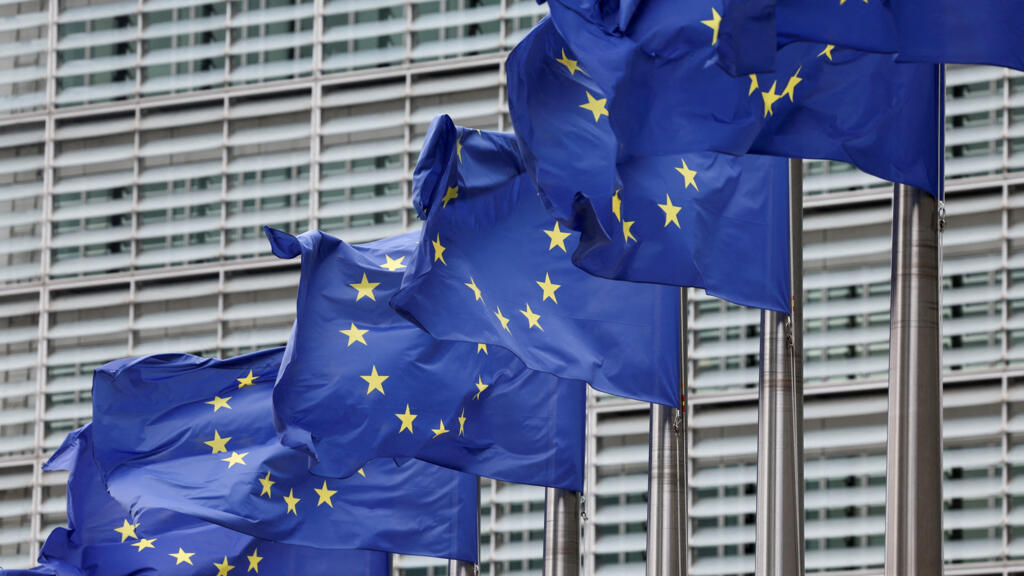
EU unveils 20th package of sanctions against Russia on the anniversary of the invasion
The European Union has announced the preparation of 20th package of sanctions against Russia on the eve of the fourth anniversary of the full-scale invasion of Ukraine. The new restrictions are aimed at key sources of revenue for the Russian economy - energy, the financial sector, trade and external logistics.
Energy
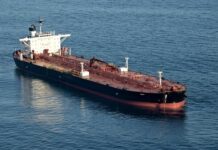
The main change will be the abandonment of the price ceiling mechanism in favour of a complete ban on maritime services for Russian oil. European companies are planning to ban insurance, maintenance and other services for tankers carrying Russian oil, even if it is sold at a discount.
The following have also been added to the sanctions list 43 more shadow fleet vessels. In total, about 640 tankers, This significantly complicates the legal logistics of oil exports from Russia.
Separate provisions are made for a ban on the maintenance of icebreakers and LNG tankers, This will hit Arctic energy projects, including Arctic LNG 2, which are critically dependent on Western technology and services.
Financial sector
The sanctions apply to 20 Russian banks, including T-Bank (formerly Tinkoff), Yandex Bank, Ozon Bank, Dom.rf, Zenit and others. Previously, these institutions were used as alternative payment channels after large banks were disconnected from SWIFT.
It is also planned to a complete ban on crypto services for Russians and sanctions against platforms that helped to circumvent financial restrictions or finance smuggling.
In addition, the EU has the opportunity to apply secondary sanctions against banks in China, the UAE and Turkey if they conduct prohibited transactions with Russian entities. This increases the risk of foreign financial institutions losing access to the European market.
Trade and exports
The new package includes a ban on the export of goods worth about €360 million, including tractors, tyres, special equipment and cyber security services.
At the same time, the EU plans to restrict imports of Russian metals, chemicals and minerals (copper, platinum, iridium, rhodium) with a total value of about €570 million.
It also introduces Fertiliser import quotas, This should reduce Russia's revenues from one of the few exports that has so far remained on the European market.
Context.
The European Union has consistently increased sanctions pressure on Russia since 2022 in an effort to limit its ability to finance the war against Ukraine. Each new package expands both sectoral and financial restrictions, and increasingly applies secondary sanctions mechanisms against third countries and companies.


 Ukrainian
 English