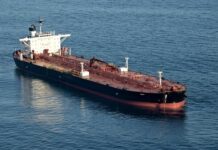
The EU and G7 are preparing the harshest blow to Russian oil: a complete ban on sea shipping instead of a price ceiling
The new solution can be the most ambitious strengthening of sanctions against the Kremlin since the beginning of the full-scale war. After russia adapted to the price ceiling mechanism and started using the «shadow fleet», western capitals concluded that the existing restrictions had lost their effectiveness.
Why the West is preparing to abandon the price ceiling
Reuters sources emphasise that the price cap mechanism has actually stopped working:
Russia has increased the use of tankers without Western insurance and maintenance;
transactions are increasingly carried out in grey areas through third countries;
The Kremlin's oil revenues have reached pre-war levels despite the sanctions.
As a result, European governments have returned to discussing a complete ban on maritime transport of Russian oil and oil products, The list of activities will include:
a ban on transport services;
a ban on insurance for tankers carrying Russian oil;
blocking shipowners working with russia;
imposing sanctions on third countries that help Russia circumvent restrictions.
What a complete ban means and why it is painful for the Kremlin
According to experts, this is a ban:
paralysing the rf's “shadow fleet”, which currently carries up to 70% of Russian oil;
will dramatically complicate supplies to the main markets - India, China and Turkey;
will put at risk a significant portion of the Russian budget revenues, which depend on oil for almost 45%;
could lead to a drop in russia's exports by millions of barrels per day.
Analysts say that even partial implementation of these measures will be one of the most painful blows to the Russian economy in the two years of war.
European states are still cautious - but the trend is clear
Some EU countries, including Greece and Cyprus, have concerns about the impact of the ban on their own shipowners. However, according to Reuters, the bloc's general position is shifting towards more radical sanctions, The war is ongoing, and Russian energy revenues are a direct source of funding for it.
Moreover, the US has also intensified internal discussions on closing loopholes in oil sanctions.
When they can make a decision
Tougher sanctions could be part of the new package, which is being developed in Brussels and the G7 countries. Specific wording will be agreed upon by the end of the year, and details may emerge in the next rounds of negotiations between the partners.
According to Reuters' sources, the West is ready to move to the most severe scenario if Russia does not demonstrate any willingness to de-escalate.



 Ukrainian
 English