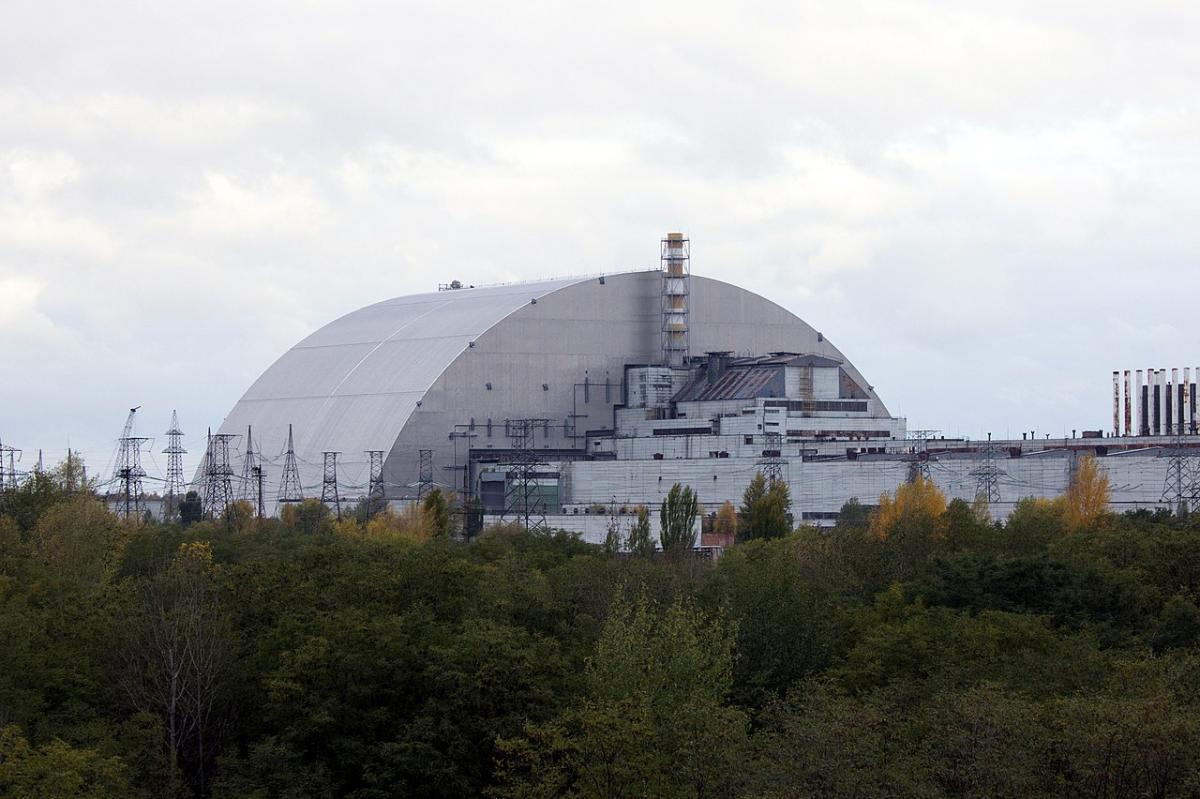
Experts warn of increased risks of destruction of the Shelter over the fourth power unit of the Chernobyl nuclear power plant. According to them, the damage to the New Safe Confinement after the drone attack significantly affected its tightness and functionality, making it difficult to monitor the condition of the old sarcophagus.
Critical condition of the protective structure
Nuclear safety experts note that the structure covering the destroyed reactor was designed as a long-term engineering solution to isolate radioactive materials. However, recent damage has led to the loss of some of its protective functions.
Among the key issues:
- leakage of the New Safe Confinement;
- the difficulty of maintaining a stable internal environment;
- accelerating the process of demolition of the old Shelter.
What is known about the risks of collapse
According to experts, the old sarcophagus over Unit 4 remains an unstable structure that requires constant monitoring and gradual dismantling.
In the event of a potential collapse:
- radioactive dust may rise inside the NSC;
- there is a risk of local contamination of the Chornobyl NPP site;
- work on monitoring and stabilisation of the facility may be hampered or stopped.
At the same time, experts emphasise that it is not an immediate disaster, but rather long-term engineering risks that require constant monitoring.
Impact of damage after an attack
After the drone strike incident, international experts reported damage to the elements of the protective arch. This affected the humidity and pressure control systems inside the structure, which are important for its stability.
According to experts, these systems play a key role in preventing corrosion and subsequent destruction of metal elements.
Is there a threat of immediate disaster
Experts reassure that there is no immediate or uncontrolled release of radiation. However, they emphasise the cumulative nature of the risks.
The situation remains under constant monitoring, and ChNPP engineering services continue to develop plans to stabilise and repair the damaged elements.
What's next
Experts emphasise that solving the problem will require long-term work, international participation and complex technical solutions. The main task remains to maintain the stability of the facility and prevent deterioration of the shelter.