Ukraine has launched an initiative for a so-called «airport truce» with Russia, which could be a new step towards ending the hostilities. According to Foreign Minister Andriy Sybiga, this requires a new role for Europe in peace efforts. Such an approach could change the dynamics of the negotiations and affect the security situation in the region.
Ukraine initiates «airport truce»
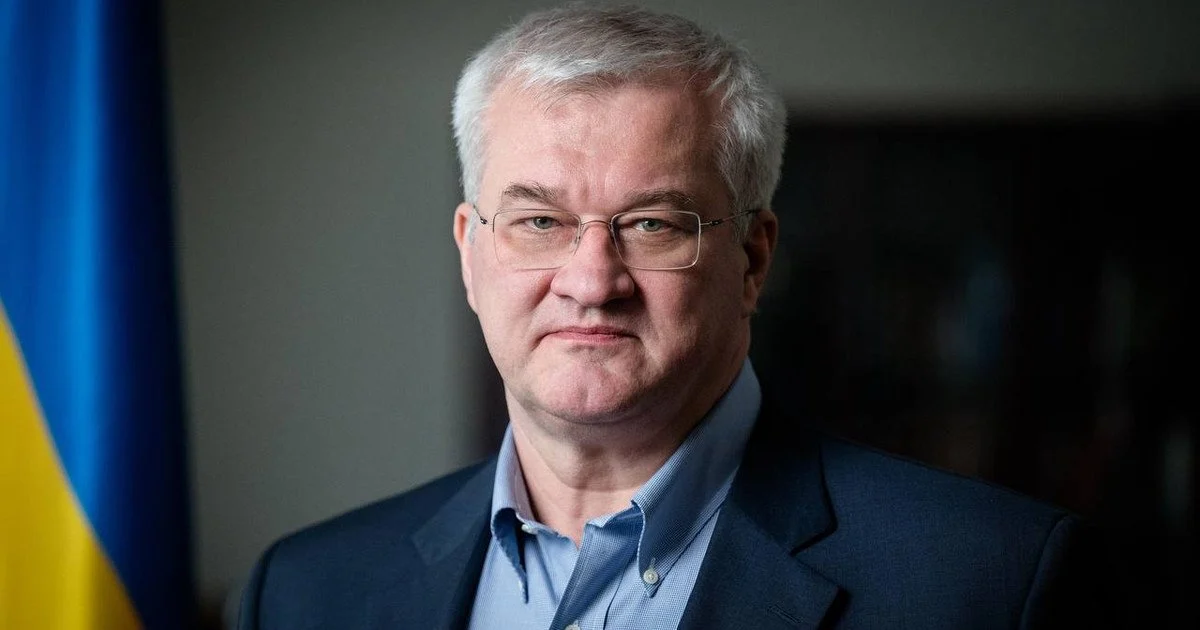
Ukraine has announced a proposal to establish an «airport truce» with Russia. This was announced by Foreign Minister Andriy Sibiga, and emphasised the importance of finding new formats to achieve peace. According to information published in material Politico, Ukraine is considering trying this format of truce.
The idea involves a localised ceasefire that could be the first step towards a broader peaceful settlement. This approach allows for a focus on specific infrastructure, such as airports, which are of strategic importance to both sides.
The need for a new role for Europe
According to Andriy Sybiga, Ukraine is likely to need a new role for Europe in its peace efforts. European partners, who already play a significant role in supporting Ukraine, can become key facilitators in launching truce.
The further development of the dialogue between Kyiv and Moscow depends on the EU's active involvement. Strengthening European diplomacy can give the process additional legitimacy and guarantees for both sides.
Prospects and challenges of the ceasefire
The proposed format of an «airport truce» is unconventional for modern conflicts, but it can be an effective tool for de-escalation. Local ceasefires can reduce Risks to civilian infrastructure and create conditions for further negotiations.
At the same time, the implementation of this approach will require significant efforts on the part of international partners and guarantees of compliance by all participants. The issues of control and monitoring will remain key if the initiative is launched.
Why it matters
Ukraine's airport ceasefire initiative underscores its commitment to finding flexible solutions in a difficult security situation. A localised ceasefire can save civilian lives and reduce the destruction of critical infrastructure.
Strengthening Europe's role in the peace process can provide additional guarantees for the implementation of the ceasefire and increase the chances of a gradual settlement of the conflict. This approach could serve as an example for other regional crises where innovative diplomatic solutions are needed.