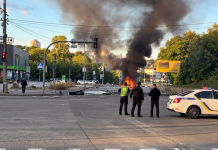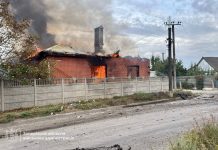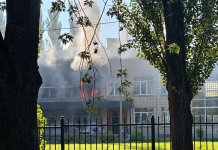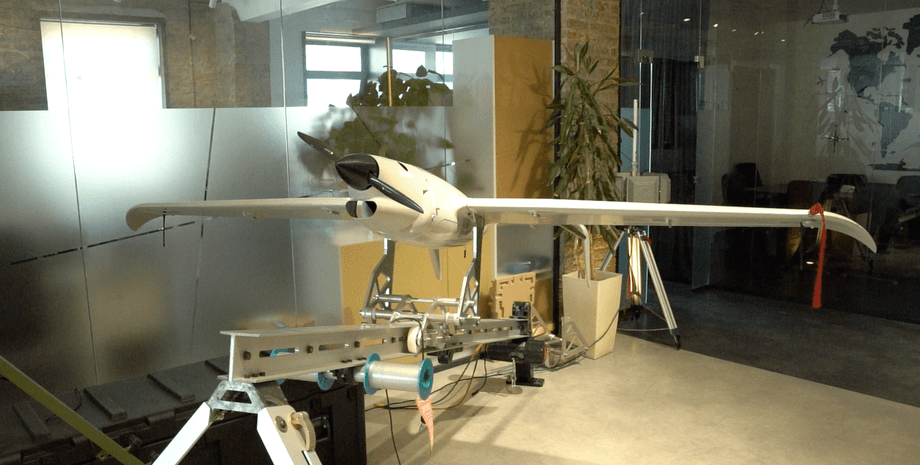
The office of the defence company Skyeton was destroyed in Kyiv as a result of a Russian attack. No casualties were reported due to the preliminary evacuation of production facilities to other regions of Ukraine and abroad.
Skyeton office in Kyiv destroyed by Russian attack
Russian troops strike at the office Skyeton in the capital. Despite the destruction, employees were not injured: even before the attack, the management expected the risk of repeated shelling and organised the withdrawal of production lines from Kyiv in advance. All key processes were distributed among different regions of Ukraine and partially relocated abroad.
Skyeton: Ukrainian UAV manufacturer
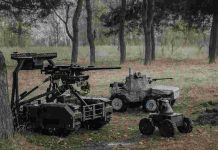
Skyeton has been operating in the market since 2006. The company develops and manufactures unmanned aerial systems, including reconnaissance drones and light aircraft. Over the years, the company has become one of the leaders in the Ukrainian UAV market, and its solutions are used for defence and civilian purposes. Since the outbreak of full-scale war, the company has repeatedly received increased attention from Russian troops due to the strategic importance of its products.
How Skyeton has adapted to new threats
Amid the constant threat of rocket attacks on Kyiv, Skyeton had implemented a set of measures to maintain production and staff safety even before the latest attack. The decision to relocate production facilities helped to avoid losses and maintain business continuity. The company's products remain in demand at the frontline and in the civilian sector, and the distribution of production processes between different locations minimises business risks.
Why it matters
The attack on Skyeton's office in Kyiv is evidence of Russia's deliberate attempts to disrupt Ukraine's defence developments. At the same time, the company's strategic preparation allowed it to preserve its production potential and avoid human casualties. The preservation of such enterprises is critical for the country's defence capability and the development of the high-tech sector, even in times of war.