Cuban President Miguel Diaz-Canel said that any US military operation in the country would lead to a «bloody massacre». He made this statement against the backdrop of rising tensions between Havana and Washington.
Statement by the President of Cuba
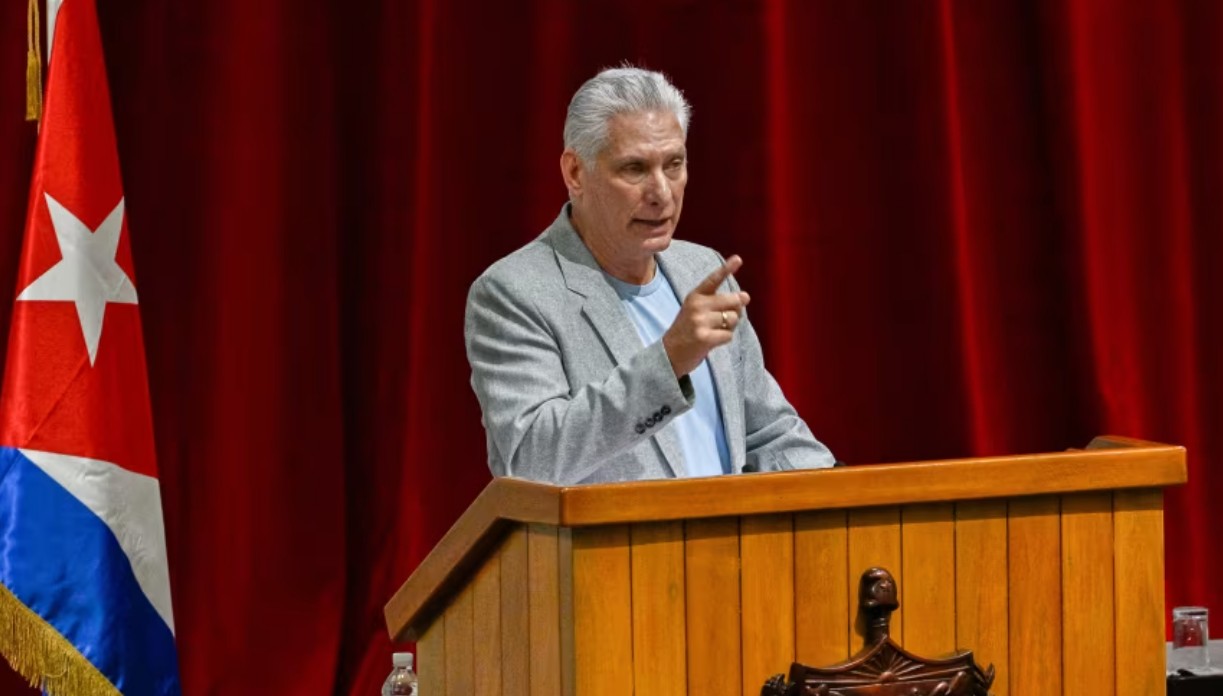
President of Cuba Miguel Diaz-Canel warned that a possible US invasion of Cuba would result in a «bloody massacre». About this reports CNN with reference to official statements by the Cuban authorities.
Speaking to journalists, Diaz-Canel stressed that the Cuban people are ready to resist any external interference. According to him, an attempted military intervention would lead to massive casualties and serious consequences for the entire region.
Reaction of the United States and Latin America
The official position of the United States on this statement has not yet been made public. However, Washington has repeatedly expressed concern about the human rights situation in Cuba and political repression. Some Latin American countries have called on the parties to exercise restraint, stressing the importance of diplomatic solutions.
Similar statements by the Cuban authorities may be a response to the increasingly harsh rhetoric of the United States regarding Cuba's domestic policy. Regional organisations are closely monitoring the situation, fearing an escalation of the conflict.
Possible implications for the region
The threat of military escalation in Cuba could affect the stability of the entire Caribbean. Experts do not rule out that in the event of an armed conflict, millions of Cubans could become refugees, and the economic situation in the region would deteriorate sharply.
In addition, tensions between Havana and Washington could complicate US relations with other Latin American countries, which are traditionally cautious about any power scenarios in the region.
Why it matters
Miguel Diaz-Canel's statement about a «bloodbath» in the event of a US invasion highlights the high level of tension between the two countries. Further developments in Cuba could affect not only the island's domestic politics but also the geopolitical balance in the entire Western Hemisphere.