India has ruled out the rapid conclusion of an interim trade agreement with the US, demanding better terms, in particular tariff advantages over competitors and guarantees that no new duties will be imposed. Negotiations are continuing against a backdrop of India’s strengthening economic position and rising exports, which is enabling Delhi to adopt a tougher stance in its relations with Washington.
Briefly about the main points
- India is not in favour of signing a trade agreement with the US any time soon.
- Delhi is insisting on tariff advantages and guarantees that no new duties will be imposed.
- The strengthening of India’s economy has bolstered its position in the negotiations.
- The specific terms of the agreement remain unknown.
- Negotiations are ongoing; no deadline has been set.
India is in no hurry to sign an agreement
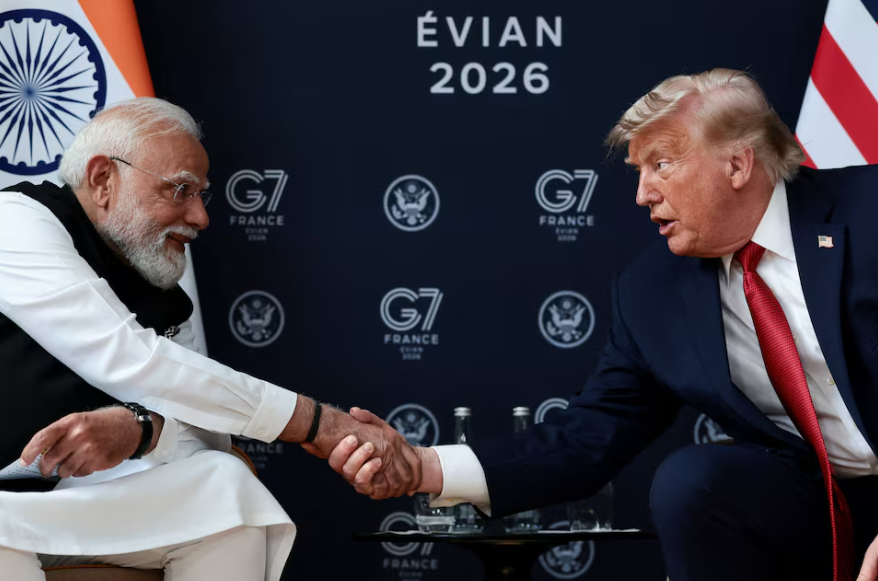
In July 2026, India ruled out signing an interim trade agreement with the US in the near future. Delhi is insisting on securing a tariff advantage over its competitors, particularly China, and is also demanding guarantees that no new tariffs will be imposed once the agreement is concluded. According to Indian officials, the agreement can only be finalised once the US tariff investigation has been concluded.
India’s Minister for Trade Piyush Goyal and a representative of the United States Jamison Greer In June, discussions took place on ways to reach a «balanced and commercially significant» agreement, but no specific arrangements were reached. The Indian government emphasises that it is not prepared to compromise on key interests, particularly in the agricultural sector.
The context and progress of the negotiations
In February 2026, the US and India agreed framework interim agreement, which provides for a mutual reduction in tariffs and India’s purchase of US goods worth $500 billion over five years. The negotiations are taking place as part of a broader Bilateral Trade Agreement (BTA), launched in 2025, which aims to reduce barriers, promote investment and foster the development of digital trade.
In June, the talks remained constructive, but the parties failed to achieve any concrete results. India is insisting on a competitive tariff rate and firm guarantees that no new duties will be introduced after the agreement is concluded.
Economic factors affecting India’s position
The current economic situation in India is encouraging a tougher stance in negotiations. In April–May, the country’s exports rose by approximately 15 %, whilst exports to the US reached $17.29 billion. Exports to the Gulf states have also resumed.
India’s GDP growth forecast for 2026 has been raised to 6.8 %, whilst inflation and the current account deficit are falling. This gives the government more room for manoeuvre in its negotiations with the US.
Reactions from the parties involved and the domestic political context
The Indian government states that it is not prepared to rush into an agreement that is not in the national interest. Particular attention is being paid to protecting the agricultural sector, as well as supporting farmers and small businesses.
Analysts point out that economic growth, diversification of trading partners and political stability following the Modi-led party’s victories in the local elections are enabling India to adopt a tougher stance in negotiations.
Uncertainty and potential implications for business
The specific terms that India is insisting on have not been officially disclosed. It remains unclear whether the US will agree to grant India tariff preferences over other countries, or exactly which sectors the agreement will cover.
No deadline has been set for the conclusion of the negotiations. Prolonged uncertainty could affect Indian exporters, although the current growth in exports points to the resilience of India’s foreign trade.