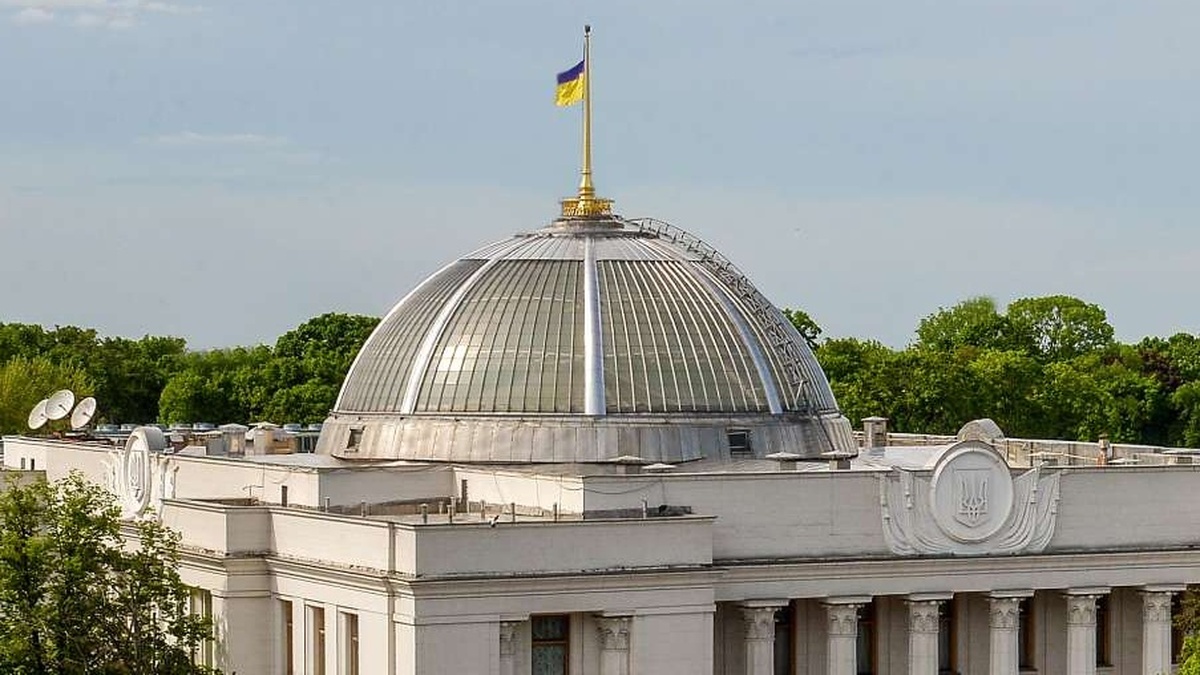
On 14 July, the Verkhovna Rada adopted Resolution No. 15366, thereby endorsing the decision of the National Security and Defence Council to renew sectoral sanctions against Russian financial institutions. The document was supported by 312 members of parliament. According to the parliament’s press office, the changes expand the sanctions list and the range of restrictive measures aimed at curtailing the Russian Federation’s financial capabilities.
Briefly about the main points
- Resolution No. 15366 was supported by 312 members of parliament.
- The document endorses the National Security and Defence Council’s decision on changes to the sanctions.
- The list of Russian financial institutions subject to sanctions has been expanded.
- Restrictive measures are intended to cut off the Russian Federation’s financial resources.
- The resolution comes into force on the day it is adopted by Parliament.
What the Verkhovna Rada has approved
Parliament has approved the decision NSDC on amendments to sector-specific special economic and other restrictive measures concerning financial institutions of the Russian Federation. The result of the vote was revealed during the broadcast of the Verkhovna Rada session and in a report by a Suspilne correspondent from the parliament building.
The Verkhovna Rada’s press office explained that the updates relate to sanctions that have been in place against Russian financial institutions since February 2023. In other words, the resolution does not introduce a separate new sanctions regime, but rather approves amendments to the sectoral restrictions already in force.
What changes does the NSDC’s decision entail?
The changes are twofold. Firstly, the list of Russian financial institutions subject to sanctions-related restrictions is to be expanded. Secondly, the range of restrictive measures themselves is to be significantly broadened.
The article does not specify which institutions have been added to the list or what specific measures will be implemented. At the same time, the stated aim of the update is to restrict the Russian Federation’s financial capabilities.
The role of the relevant committee
The parliamentary committee on national security, defence and intelligence played a leading role in drafting the resolution. Its chair Oleksandr Zavitnevych After reviewing the document, he stated that the committee was working consistently to increase the pressure of sanctions on Russia and to protect Ukraine’s national interests.
The decision by 312 MPs ensured that the resolution was adopted in the chamber.
When the resolution came into force
Resolution No. 15366 came into force on the very day it was adopted by the Verkhovna Rada — 14 July.
The information released sets out the general direction of tighter restrictions, but does not contain a list of institutions or provide details of the new sanctioning measures. It is therefore impossible to assess the practical scope of the changes based on this announcement alone.