European intelligence services are sceptical about the chances of the US to conclude a peace agreement on the war in Ukraine
The heads of the leading intelligence services of several European countries have expressed doubts that the United States will be able to reach a peace agreement between Ukraine and Russia by the end of 2026. This was reported by Reuters citing sources among top intelligence officials.
Why European intelligence officers are pessimistic
According to the agency's interlocutors, Moscow has no real intention of ending the war quickly and may use the negotiations as a tool to achieve other benefits rather than as a path to real peace. Some respondents described the negotiation process as more of a «theatre of negotiations», rather than real attempts to find a compromise.
The main problems pointed out by European intelligence officers include:
a senseless gap in the parties' positions on key issues, including territories;
Russia's unwillingness to make significant concessions to end the war;
Lack of a clear strategy in the negotiation teams, which may weaken the potential for peace agreements.
Conditions and risks
The sources noted that even if some issues are resolved in the upcoming talks, it is unlikely to lead to a full-fledged peace agreement by the end of the year. The intelligence services believe that Russia is likely to use peace talks to try to ease sanctions pressure and promote other economic interests, rather than to make significant concessions to end the war.
Context.
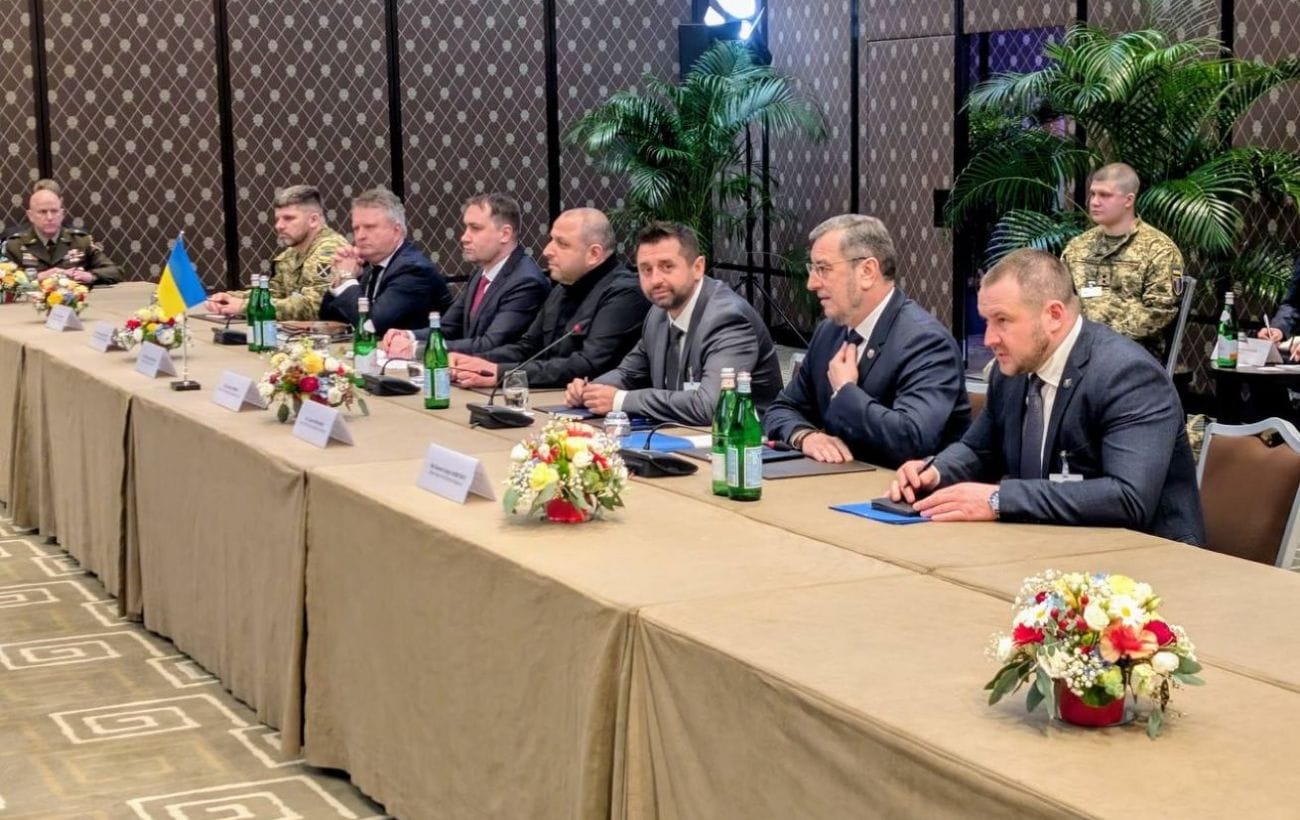
These estimates come amid ongoing negotiations between Ukraine, Russia and the United States, some of which have taken place in Geneva. Despite calls from the US side to speed up the agreement earlier this year, diplomatic consultations have not yet yielded a breakthrough.
The US mediation role in the peace talks provokes different reactions among Western allies, and the positions of Europe and America sometimes do not fully coincide, reflecting different strategic approaches to ending the war.




 Ukrainian
 English