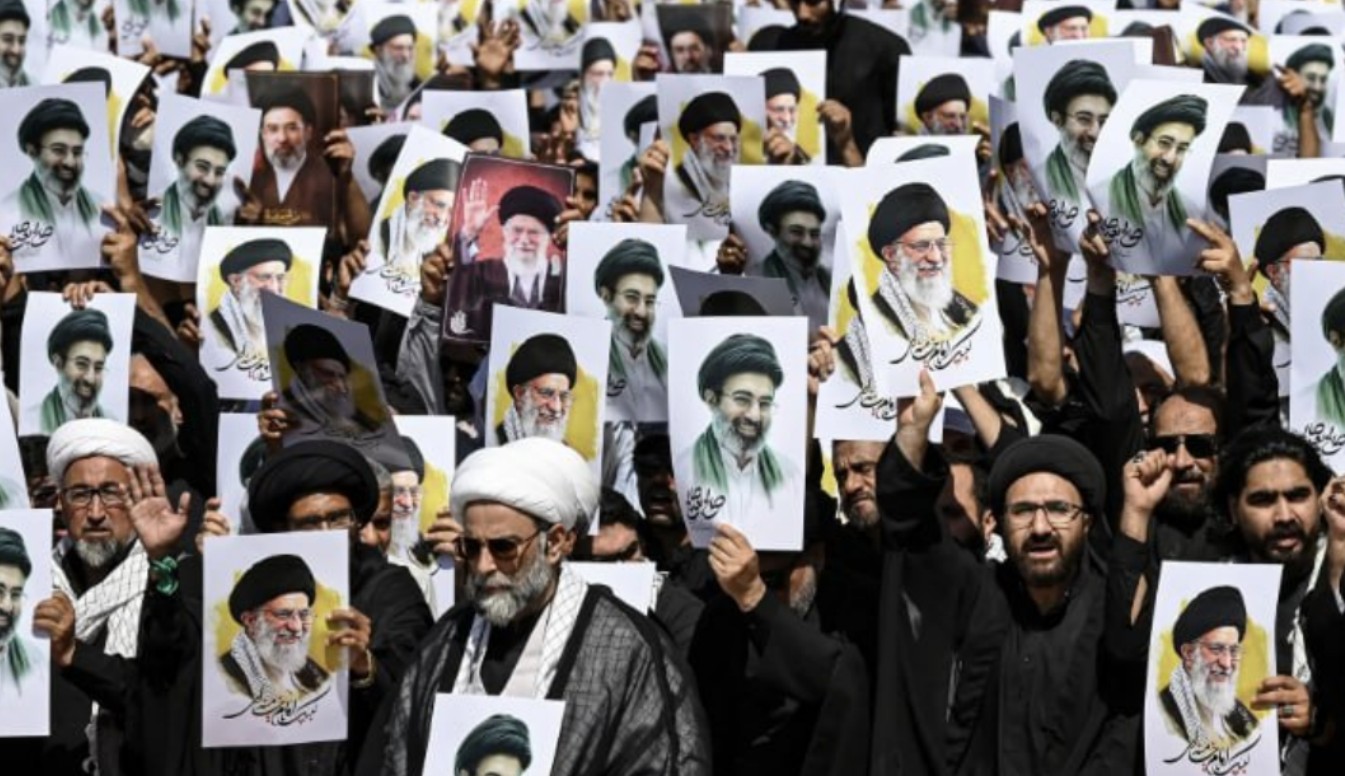
The United States and Iran reached a two-week truce after intense closed-door negotiations involving Pakistan, Egypt and Turkey. The key was the decision of Iran's supreme leader Mojtaba Khamenei and the pressure on Donald Trump by its allies. However, serious disagreements remain between the parties over Iran's nuclear and missile programmes.
Truce between the US and Iran: how it happened
Today it became known that a truce has been reached between the United States and Iran, which will last at least two weeks. According to Axios, The decisive moment was the consent of Iranian Supreme Leader Mojtaba Khamenei to give instructions to move towards an agreement for the first time since the beginning of the war. The negotiations were held behind closed doors, with Pakistan, Egypt and Turkey playing a key role in mediation. At the same time, the Pentagon was preparing for possible strikes on Iran's infrastructure, and US allies were expecting a tough response from Tehran.
Trump under pressure: the role of allies and backroom deals
The final stages of the negotiations were tense: on Monday, Washington called Iran's demands a «disaster», but the following day the parties reached an actual agreement. Donald Trump was under pressure from supporters of the military scenario, but after talks with Israel and Pakistan, the US president agreed to a truce. Despite harsh statements from both sides, diplomatic dialogue continued even at the peak of the threat of escalation.
The threat of a new war: what's next?
Despite the truce, The risk of renewed war remains high. The United States insists on curtailing Iran's nuclear and missile programmes, while Tehran categorically refuses to comply with these demands. Experts note that the current agreement is only a temporary pause, and further developments depend on the next steps of both sides.






 Ukrainian
 English