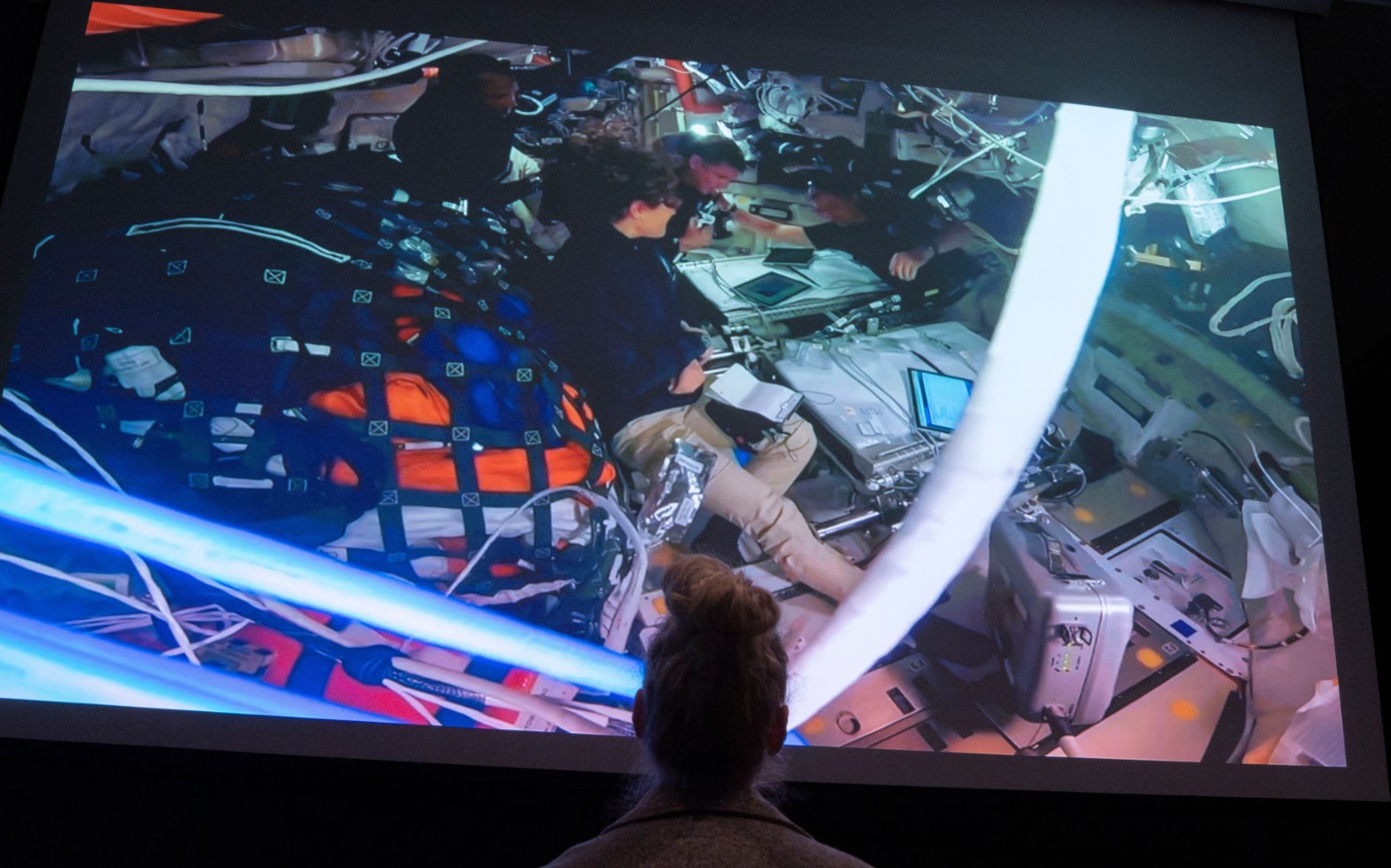
Mission crew Artemis II made a historic fly-by of the Moon, bringing people back to the Earth's neighbourhood for the first time in more than half a century. During the manoeuvre, the astronauts experienced radio blackout and conducted important scientific experiments. The mission was a key step in preparing for the future human landing on the Moon.
The critical fly-by of the Moon: Artemis II in the history of astronautics
Spacecraft Artemis II has successfully circled the Moon. The crew, which includes NASA astronauts, spent more than 24 hours in orbit, marking the first manned return to the Moon in decades. During the mission, the spacecraft experienced a radio blackout, when communication with Earth was completely lost for 31 minutes, which is a standard procedure for flights to the back of the Moon.
Five key points of the Artemis II mission
During the flight, the crew conducted a number of scientific experiments and thoroughly tested all the ship's systems in lunar orbit. One of the most important moments was the correction of the trajectory for a safe return to Earth. The astronauts also tested a new life support system that will form the basis for future missions. According to NASA management, the successful completion of these tasks paves the way for the next stage - the landing of a man on the Moon.
World reaction and future plans of NASA
The Artemis II mission caused a wide response around the world, and its success strengthened NASA's position as a leader in space exploration. The next step will be to prepare for the Artemis III mission, which involves the direct landing of a human on the lunar surface.






 Ukrainian
 English