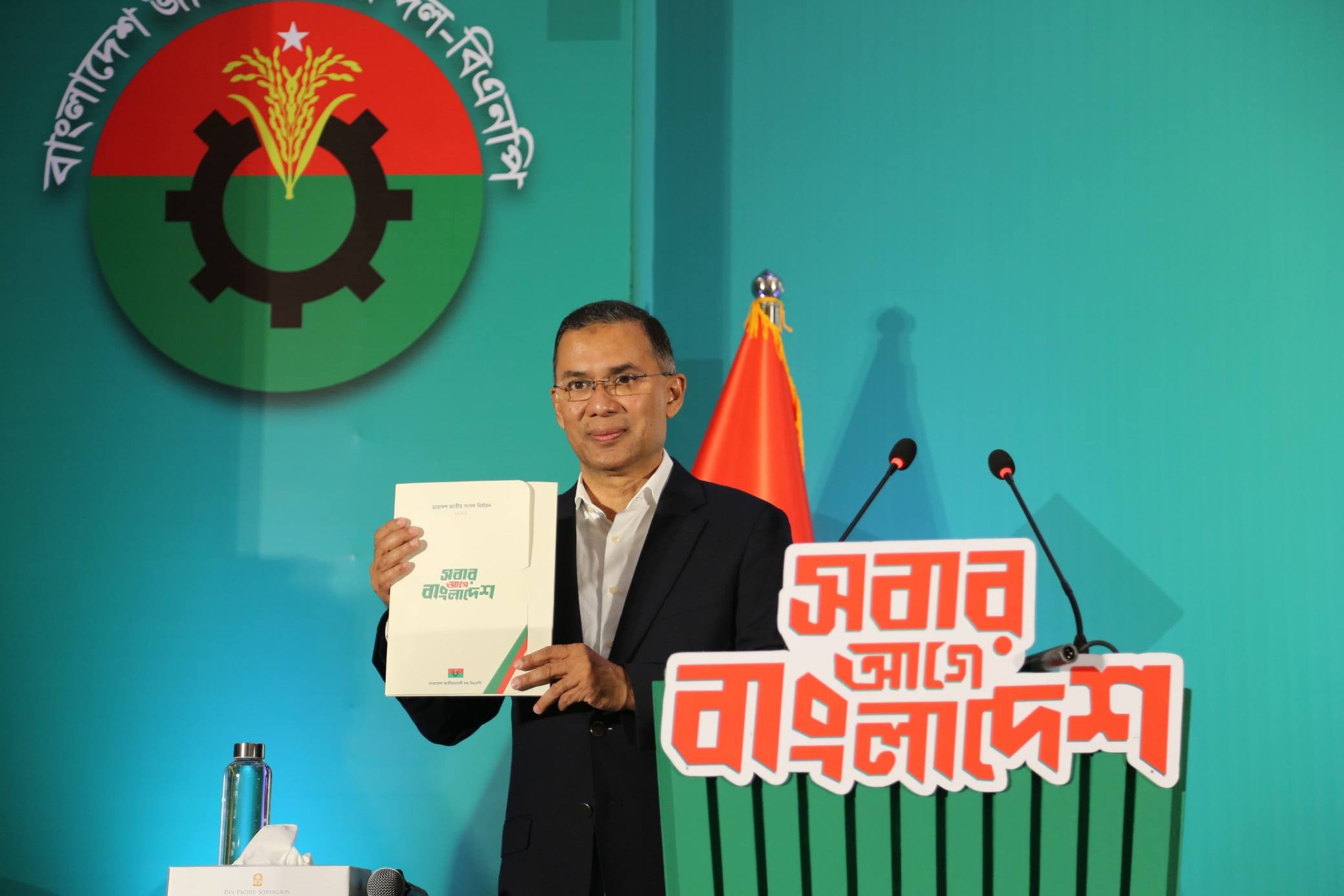
BNP wins two-thirds of seats in Bangladesh's parliament - a historic victory
In the general elections held on 12 February, Bangladesh Nationalist Party (BNP) won two-thirds of the seats in parliament - at least 212 out of 299, According to the report Reuters. This happened after the party returned to the political scene after a 20-year absence from the country's leadership.
The BNP is led by Tariq Rahman, The son of the party's founder and prominent politician Ziaur Rahman, who returned to Bangladesh in late 2025 after years of living abroad and led the election campaign.
Despite the landslide victory, the BNP announced that it was not planning any major celebratory rallies and asked citizens to pray for the country's well-being.
Political context and the return to democracy
These elections are considered to be one of the freest and most competitive in the country for many years. After the 2024 protests that led to the resignation of the former prime minister Sheikh Hasina and forced its government to withdraw from the political arena, the election process was marked by a high voter turnout of over 60 %.
The elections were also accompanied by a referendum on constitutional reforms, These include changes to the structure of the government, the independence of the judiciary and gender representation.
Major changes have also taken place in the parliamentary opposition. The party Jamaat-e-Islami and its allies won about 70 seats, and the National Citizens' Party (NCP), which consists primarily of youth activists, also joined the legislative majority.
Promises and expectations of the new government
BNP emphasises political stability, economic reforms and support for disadvantaged groups. The election programme also included measures to create jobs and stimulate economic growth, which is especially important for the large youth population.
Political analysts believe that a clear majority in parliament will allow the new government to avoid the legislative paralysis that has previously hindered stability in the country.
Geopolitical and regional implications
BNP's victory is not just important within Bangladesh. The results will affect regional dynamics, as the country is an important player in South Asia. The presidents of India, Pakistan and the US ambassador have already congratulated the new majority, which demonstrates the interest of world leaders in the process of democratic transformation in this country.
Conclusion.
Elections in Bangladesh mean a historic political turnaroundfrom the continued dominance of one party to broader competition and the BNP's return to power with a convincing majority. The results of the vote could become a catalyst for long-term domestic reforms and strengthening of democratic institutions in the country.
No related posts






 Ukrainian
 English