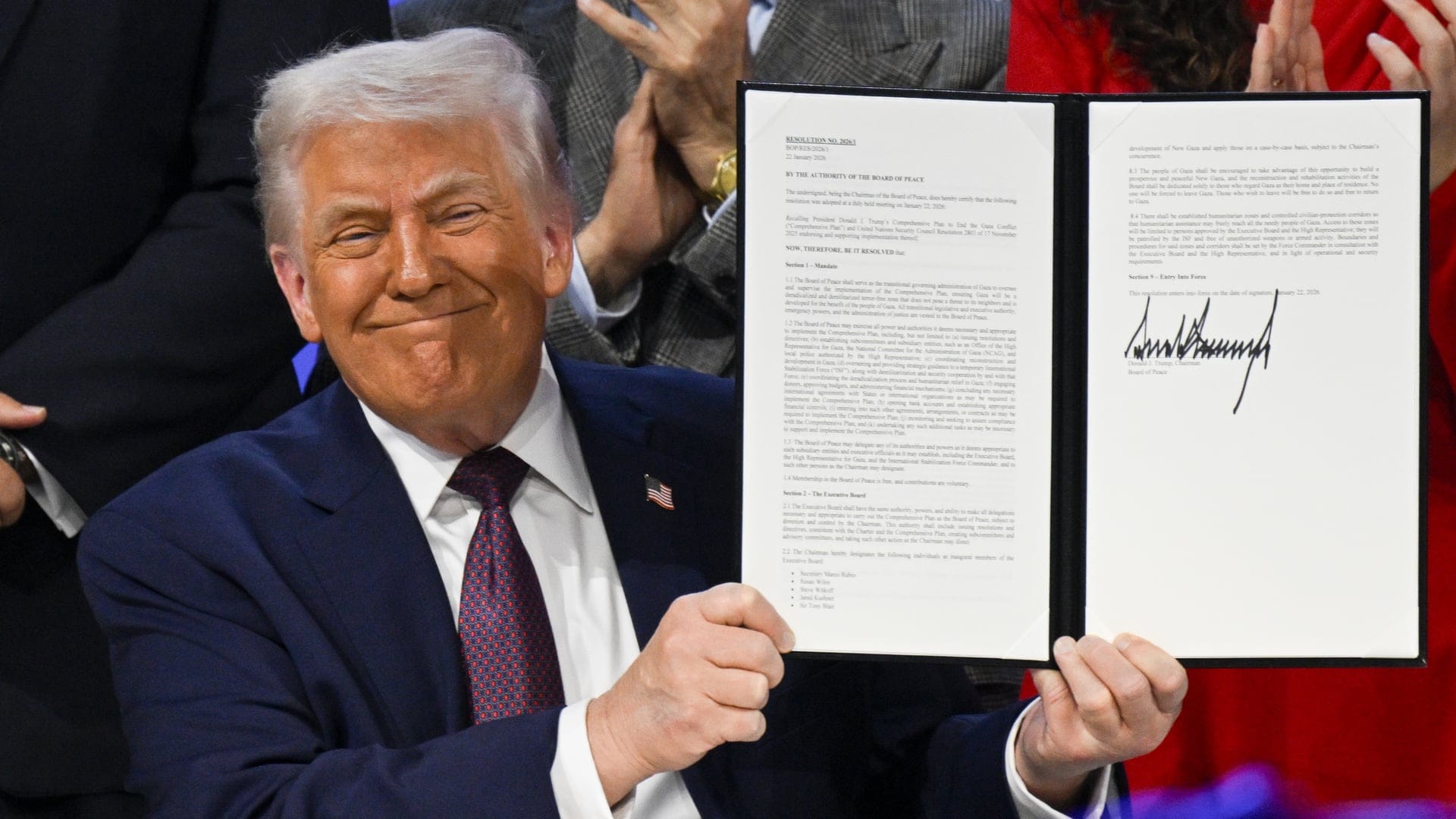
Trump raises global tariffs after court decision
President of the United States Donald Trump announced its intention to increase the global tariff rate on imports from 10% to 15%. This is reported by the Reuters.
What happened
The decision came after the US Supreme Court struck down the administration's previous tariff programme, finding that the president had exceeded his authority by imposing large-scale tariffs without congressional approval.
In response, Trump said he would raise the temporary global tariff to the maximum level permitted by law - 15%.
How the new tariff will work
The new duties are planned to be imposed on imports from all countries under another legal mechanism - Section 122 of the Trade Act of 1974. This provision allows the president to impose tariffs for up to 150 days, after which Congressional approval is required to extend them.
Trump also made it clear that the administration would use this period to find other legal ways to impose long-term tariffs.
Reaction and risks
Experts warn that the move could increase global trade tensions and put additional pressure on prices. Some US politicians and businesses are already expressing concern about the possible impact of the duties on inflation and trade.
Context.
Tariff policy is a key element of Trump's economic strategy aimed at protecting American manufacturing and reducing the trade deficit. However, the Supreme Court's decision has significantly limited the White House's ability to act without Congressional involvement.





 Ukrainian
 English