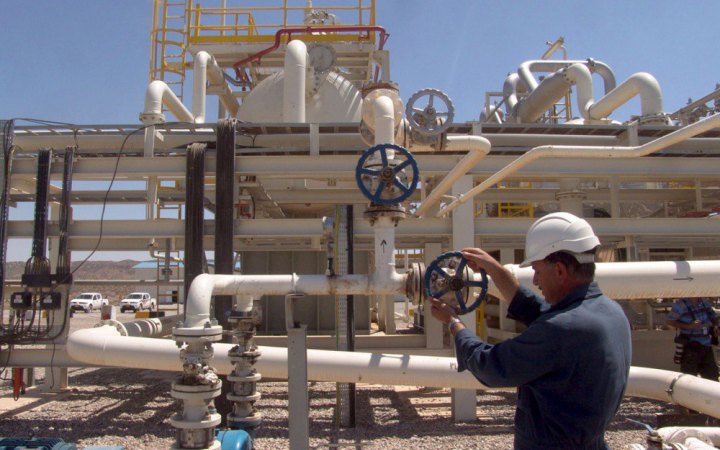
The Gulf countries are considering the construction of new oil pipelines that will allow them to transport oil without using the Strait of Hormuz. This should reduce dependence on the strategic hub and minimise the risks associated with a possible escalation of the situation in the region. The discussion of alternative routes is supported by information from Financial Times.
Finding alternative routes for oil exports
The Persian Gulf states are actively exploring the possibility of laying new oil pipelines that will allow oil to be transported bypassing the Strait of Hormuz. This step is aimed at reducing strategic dependence on this hub, through which a significant portion of the world's oil supplies pass.
Motives and potential benefits
The main reason for developing alternative routes is the growing security risks in the region, which could affect the stability of oil transportation. If the situation in the Persian Gulf deteriorates, the new oil pipelines will help to avoid supply disruptions and ensure stable energy exports.
International reaction and perspectives
The Gulf initiative has already attracted the attention of international experts and investors. According to the Financial Times, the discussion of the projects is at an early stage, but could significantly change the region's energy map if implemented.