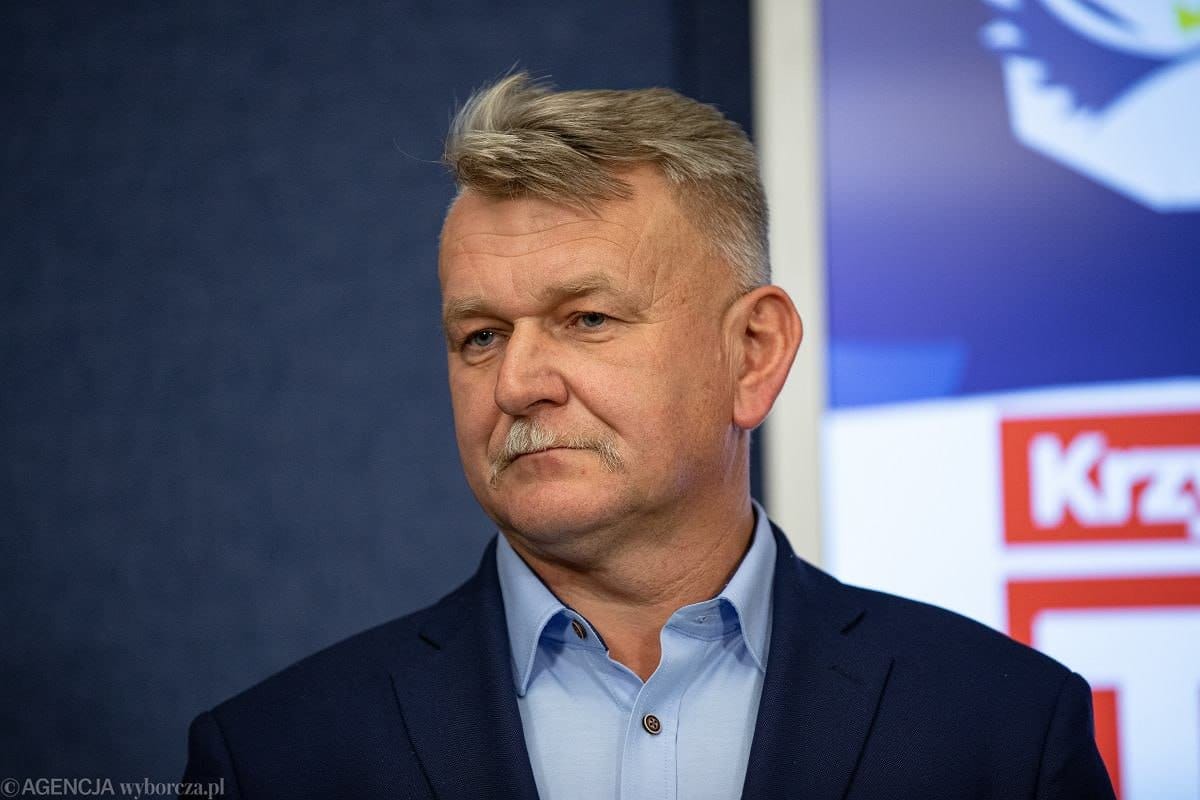
In Poland, a court sentenced a former deputy minister who openly insulted Ukrainians and called for their expulsion. Krzysztof Tolwinski was sentenced to restriction of liberty and compulsory community service.
Court verdict in the Tolvinsky case
A court in Bialystok has announced a verdict against Krzysztof Tolwinski, former deputy minister in the government Kaczynski and leader of the pro-Russian Front party. According to the Polish media, Tolvinsky publicly called Ukrainians «Banderite scum» and called for their expulsion from the country.
As reported by Wyborcza.pl, The court found Tolvinsky guilty of inciting hatred and humiliation of Ukrainians. Such actions were classified as a crime against public order.
Punishment for a pro-Russian politician
The court sentenced Tolwinski to 10 months of restricted liberty with the obligation to perform unpaid community service - 30 hours per month. In addition, he is obliged to pay PLN 5,000 to the Victims and Prison Assistance Fund.
Thus, the Polish court has demonstrated a tough stance on xenophobia and public discrimination on ethnic grounds. The verdict comes into force from the moment it is announced and is a precedent for similar cases in Poland.
Public reaction and political context
Tolvinsky's sentence has already caused a wide public outcry in Poland. Several politicians and civil society activists stressed the importance of protecting the rights of national minorities and countering hate speech.
The Front party, which Tolwinski leads, is known for its pro-Russian rhetoric and criticism of Warsaw's pro-Ukrainian policies. The case is perceived as a signal that such statements are unacceptable in public space.
Why it matters
The conviction of the former deputy minister for insulting Ukrainians underlines that Poland does not tolerate discrimination and xenophobia at the state level. This is an important step in protecting the Ukrainian community, which has become one of the largest in the country since the start of the full-scale war.
The verdict also demonstrates the readiness of Polish courts to respond to pro-Russian propaganda and protect democratic values. Such decisions may affect the political climate in Poland and strengthen solidarity with Ukraine in the face of Russia's ongoing aggression.