Massive protests by ultra-Orthodox Haredi Jews have erupted in Israel over the arrests of people avoiding military service. The protesters blocked roads and staged actions near the homes of officials.
Mass Haredi protests in Israel
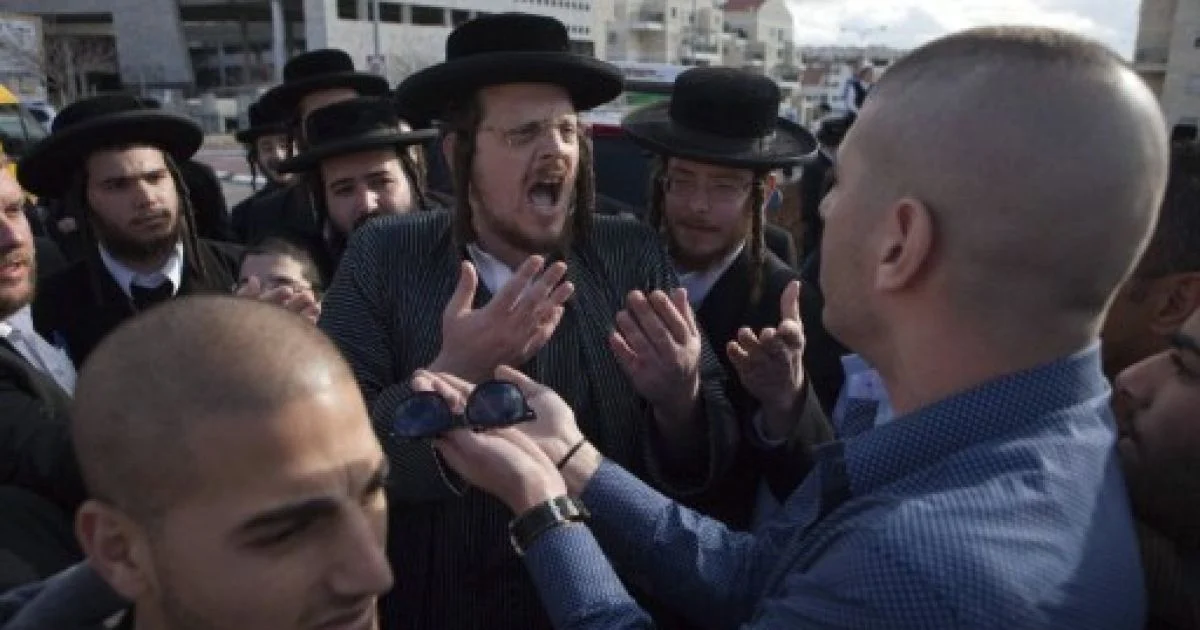
Large-scale protests by ultra-Orthodox Haredi Jews against the arrests of «military service evaders» took place in Israel. According to local media reports, protesters broke into the house of the head of the military police in Ashkelon, which led to the detention of about 25 people.
The next day, protesters organised a blockade of the entrance to Jerusalem, which caused a significant transport collapse in the city. Such actions were a response to the Israeli army's resumption of the campaign to arrest fugitives, which had previously been suspended due to the escalation of the situation with Iran.
Reasons for the protests and demands of the Haredim
Haredim, who make up about 13% of Israel's population, have traditionally avoided military service, citing the need to devote their lives to Torah study. They believe that their religious duty is more important than military service. The resumption of arrests was a signal to this community to mobilise and protest.
During the protests, slogans such as «We'd rather die than join the army» were heard, and cases of burning the Israeli flag were recorded. Such actions demonstrate the deep dissatisfaction of the ultra-Orthodox community with the government's policy on military conscription.
Government response and consequences for society
The Israeli authorities are now responding harshly to attempts by Haredi Jews to oppose the arrests of fugitives. About 25 people were detained during the riots in Ashkelon. At the same time, massive road closures in Jerusalem led to transport paralysis and hampered the work of emergency services.
The resumption of the campaign to arrest evaders could further strain relations between the religious minority and the state. This also affects the political situation in the country, as the issue of military service for Haredim remains one of the most acute in public discourse.
Why it matters
The massive Haredi protests in Israel demonstrate the deep divide in society over compulsory military service. At the same time, they emphasise the importance of religious identity for a part of the population that refuses to perform military duty for ideological reasons.
An aggravation of the situation could lead to new protests and increased conflict between religious communities and state institutions. This issue remains key to the future stability and unity of Israeli society.