NATO's new strategy forms a long-term model of confrontation with Russia, in which Ukraine plays a key role. The Alliance is increasing funding, adapting military doctrine and deepening cooperation with Kyiv, effectively integrating Ukrainian experience into its own security system. This is changing the balance of power in Europe and determining Ukraine's prospects for years to come.
The Union is changing its approach to war and security in Europe
In 2025-2026, the North Atlantic Alliance is actually moving to a new security model, which is being shaped by Russia's full-scale war against Ukraine. Key decisions NATO summits and statements by allies show that: The Alliance is preparing for a long-term confrontation with Russia, and Ukraine is becoming a central element of this architecture.
It is not only about military assistance, but also about the systemic transformation of NATO's defence policy, which directly affects the future of Ukraine.
Changing priorities: Russia is the main threat
NATO's new strategic logic defines Russia as a long-term threat to Euro-Atlantic security. This means that the Alliance is moving from deterrence to preparing for a possible large-scale conflict.
At the NATO summit in The Hague, the allies reaffirmed their readiness to strengthen their defence capabilities and directly linked their security to support for Ukraine.
In fact, this means:
- strengthening the military presence in Europe
- reorientation of economies to defence needs
- Preparing for hybrid and technological threats
This is critical for Ukraine, as its war is officially being integrated into the wider NATO security context.
Sharp rise in defence spending
One of the key decisions was to increase defence spending NATO countries to 5% of GDP by 2035 - This is an unprecedented step in the history of the Alliance.
These funds will be used for:
- arming and modernising armies
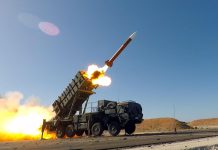
- Development of air defence and missile defence
- cyber security and infrastructure
- military-industrial complex
Importantly, some of this spending directly includes support for Ukraine, including funding for its defence industry.
This means moving from “aid” to a model of common defence through Ukraine.
Ukraine as a key element of the new security architecture
Relations between Ukraine and NATO have undergone a profound transformation in recent years, from advisory support to actual integration into the Alliance's military processes.
The establishment of the NATO-Ukraine Council has become a new format of cooperation that allows Kyiv to participate in strategic decisions at the level of the allies.
At the same time, they are expanding:
- intelligence sharing
- Standardisation of the Armed Forces of Ukraine to NATO standards
- Coordination of arms supply
Ukraine is already de facto integrated into the Alliance's security system, even without formal membership.
Drone warfare and the technological revolution
One of the key factors that influenced NATO's new strategy was the experience of the war in Ukraine.
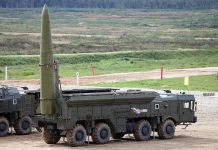
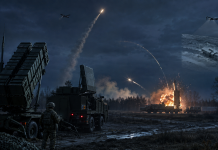
In particular, the Alliance is revising its approach to air defence due to the massive use of cheap drones and missiles.
This means:
- Transition to a “price war” of technologies
- system development Combating UAVs
- focus on innovation and rapid production
In this context, Ukraine is not only a recipient of assistance, but also a source of combat experience for NATO.
A new balance of power: US vs Europe
Another important trend is the changing role of the United States in NATO. Washington increasingly expects European allies to fund their own security.
In fact, a new model is being formed:
- The USA is a technological and nuclear centre
- Europe is the main military power
This creates both opportunities and risks for Ukraine, as:
- support can become more “European”
- decisions may be made more slowly
- The role of regional unions is growing
Does this mean Ukraine's imminent accession to NATO?
Despite deep integration, the question of Ukraine's membership remains open. At the 2025 NATO Summit, the Allies did not make a specific decision on inviting Ukraine to join the Alliance.
This is explained:
- Fear of a direct conflict with Russia
- different positions of the member states
- The need to preserve the unity of the Alliance
At the same time, the strategy actually provides for maximum approximation of Ukraine to NATO without formal accession.
Conclusion: Ukraine is already at the centre of NATO's new strategy
NATO's new strategy is not just about defending the Alliance, but about rebuilding the entire security system in Europe.
Ukraine is in this system:
- is a key deterrent to Russia
- integrates into NATO military and technological processes
- becomes part of a long-term security model
In fact, even without formal membership, Ukraine is already playing the role of an ally on which the future of all Euro-Atlantic security depends.