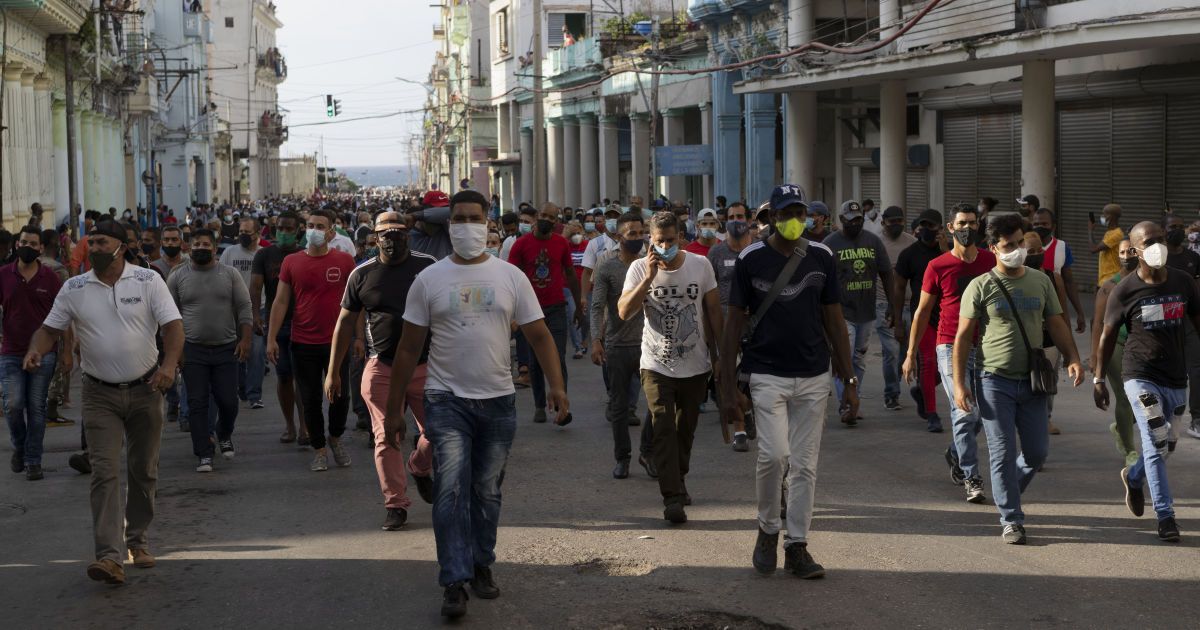
Protests erupted in Havana due to prolonged blackouts: residents burned garbage, blocked roads and demanded immediate restoration of electricity supply. Cuba's Energy Minister said that fuel reserves were exhausted and the country's power system was in critical condition.
Protests in the capital and the demands of Cubans
In Havana, thousands of people have taken to the streets due to hours-long power cuts. People are burning piles of garbage, blocking roads and chanting slogans demanding that the lights be turned on. Such protests are a rare occurrence in the Cuban capital, indicating the depth of energy crisis.
The energy system is on the brink
Cuba's energy minister has publicly acknowledged that diesel and fuel oil reserves are completely exhausted. The island's power system is in a «critical» state. As a result, power outages last for hours and sometimes even for days. The situation is further complicated by the inability to purchase new fuel due to international sanctions.
External pressure and the role of the United States
External factors put additional pressure on Cuba's energy sector. Donald Trump recently declared its support for a «free Havana» and also strengthened oil blockade and expanded sanctions against the Cuban authorities. Against this backdrop, US air reconnaissance has intensified off the coast of Cuba: CNN has recorded at least 25 missions by the US Navy and Air Force since February. The US used similar tactics before its operations in Venezuela and Iran.
Why it matters
The energy crisis in Cuba has exacerbated social tensions and led to open protests in the capital, a rare occurrence in a country with tight state control. Prolonged blackouts not only worsen the lives of local residents, but also create additional challenges for the government amid tightening sanctions and growing external pressure.