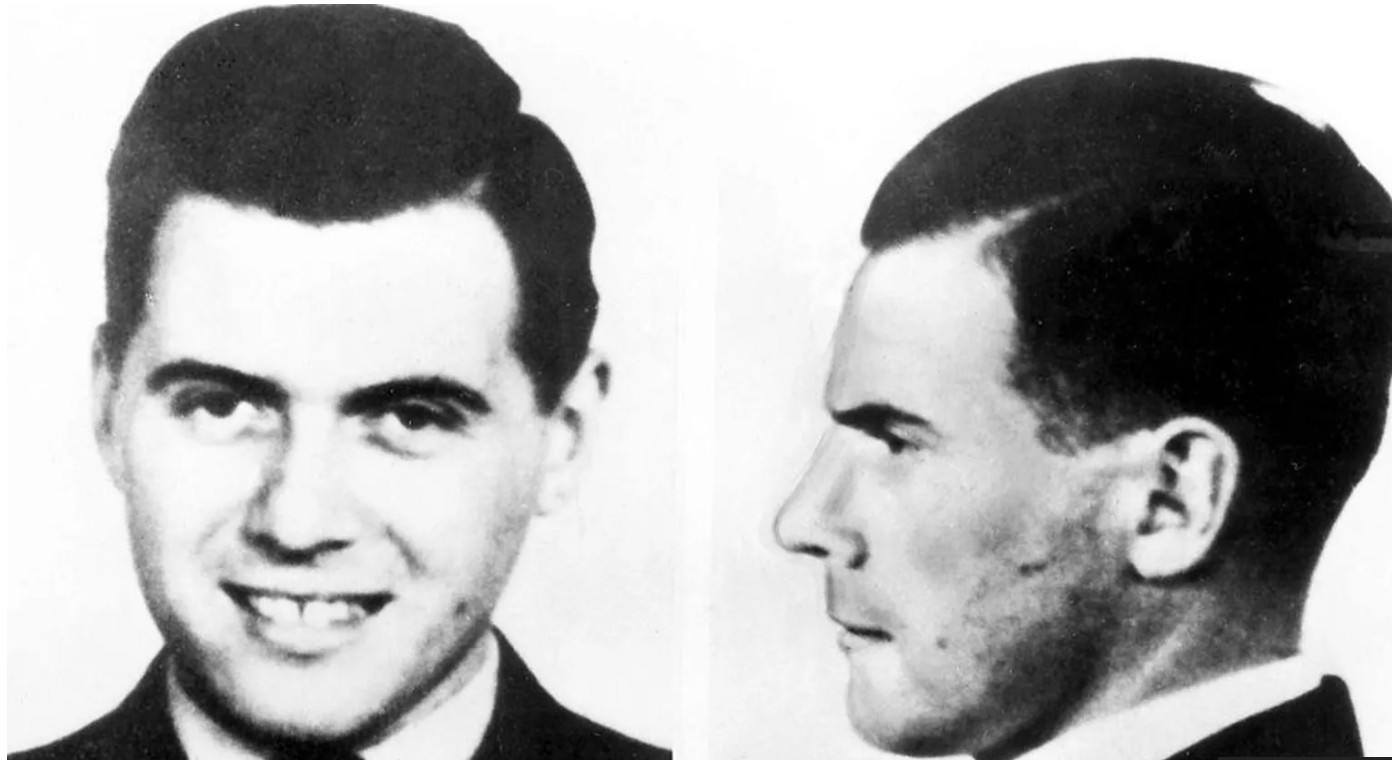
The Swiss Federal Intelligence Service, after years of pressure from historians, agreed to provide access to classified documents about one of the most famous Nazi criminals, Josef Mengele. The archives had remained closed for decades for reasons of «national security» and to protect the relatives of those involved in the case. At the same time, researchers suggest that the documents may contain information about Mengele's stay in Switzerland after the international arrest warrant was issued.
Who was Josef Mengele?
Josef Mengele was a doctor in the units Waffen-SS and served in a concentration camp Auschwitz-Birkenau in occupied Poland. He was the one who selected prisoners, sending thousands of people to the gas chambers. According to historians, about 1.1 million people died in the camp, Most of them were Jews.
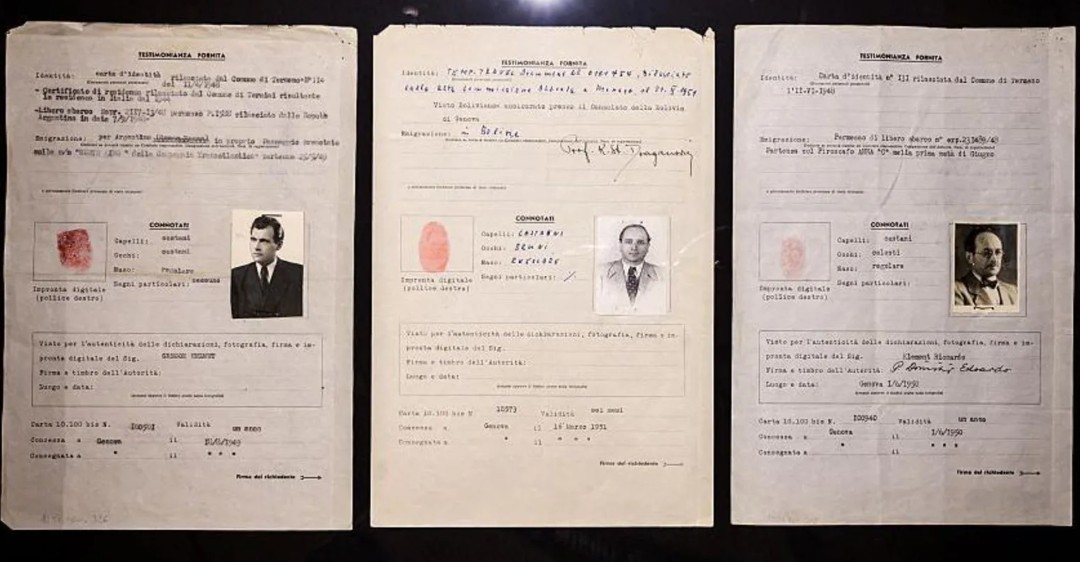
Due to the cruel medical experiments on children and twins, Mengele was nicknamed the «Angel of Death». After the war, he avoided punishment by changing his identity and using Red Cross documents to escape to South America.
Why Swiss archives are of interest
It was officially believed that after his escape in 1949, Mengele lived in South America. However, historians have long suspected that he might have returned to Europe, particularly Switzerland.
Swiss researcher Regula Bochsler while working with the archives, discovered that in 1961 Austrian intelligence warned the Swiss authorities about Mengele's possible presence in the country under an assumed name.
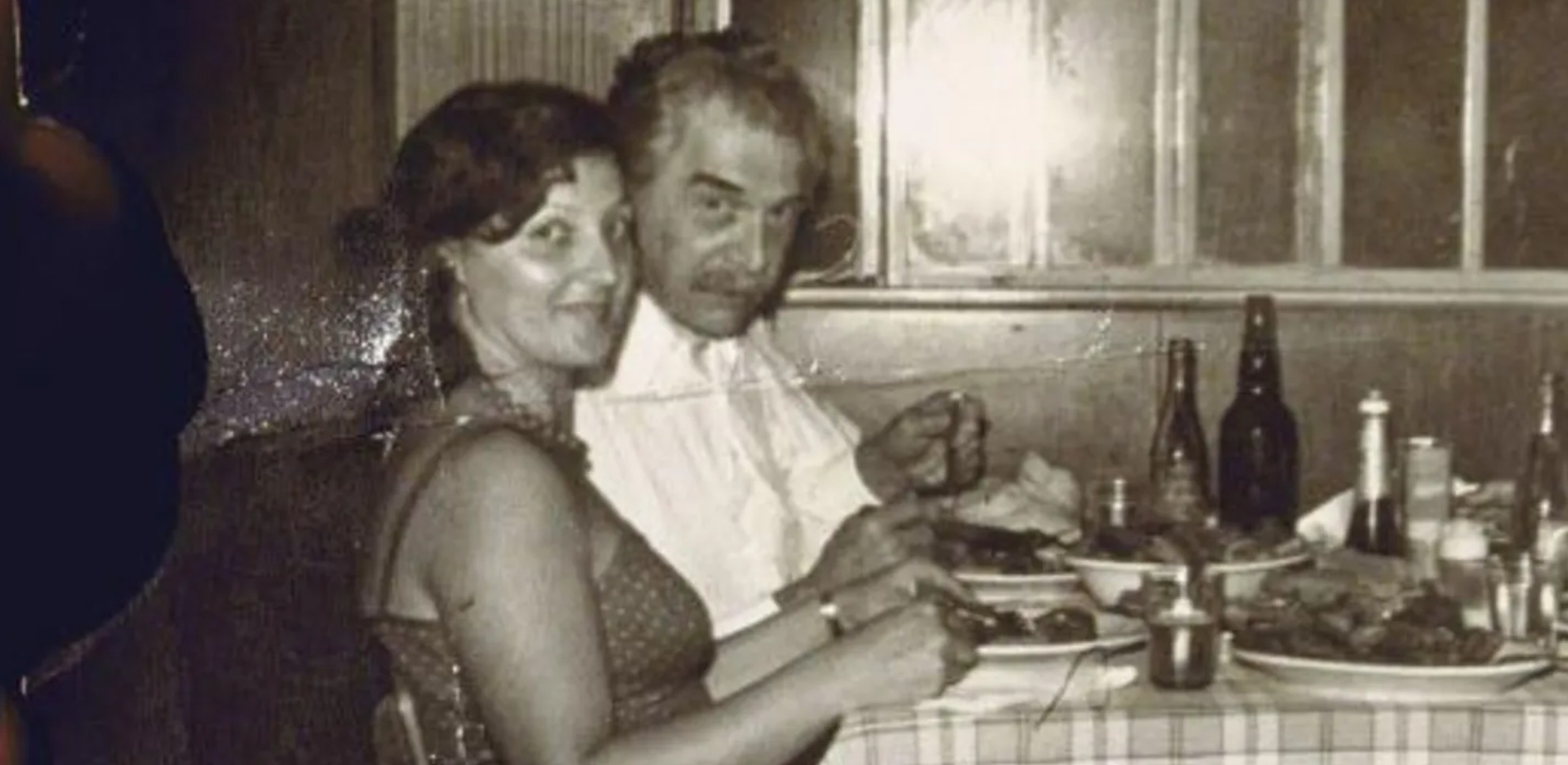
The behaviour of Mengele's family also raised additional suspicions. His wife rented an apartment in Zurich and applied for permanent residence. According to historians, the apartment was located near the international airport, which could have been convenient for secret trips.
Police spied on Mengele's family
The historians gained access to Zurich police documents confirming that the apartment was under surveillance by the Swiss police. The reports even mentioned an unknown man who was seen with Mengele's wife.
However, it has not yet been established whether it was Josef Mengele himself.
Access to federal archives remained closed until 2071. The authorities explained this by the need to protect state interests and confidential information about foreign intelligence services.
Historians succeed in revising the decision
In 2025, the historian Gerard Wettstein repeated his request to open the archives. After the refusal, he filed a lawsuit and organised a fundraiser for the legal battle. In a few days, he managed to raise more than 18,000 Swiss francs.
After that, the Swiss Federal Intelligence Service unexpectedly agreed to provide access to the documents, although it stated that the final terms of access had not yet been determined.
Historians fear that much of the material may be classified or retouched.
Why the Mengele case is still controversial
According to historians, the story of the classified files concerns not only Mengele himself, but also the role of Switzerland during and after World War II.
The country has been repeatedly criticised for the collaboration of Swiss banks with the Nazis and the refusal to accept Jewish refugees during the Holocaust.
Historian Jacob Tanner believes that the long classification of the archives only fuelled conspiracy theories and created the impression that the authorities were hiding inconvenient facts.
Mengele was never brought to trial
Josef Mengele was never arrested or punished for his crimes. He lived for decades in Brazil under an assumed name and died in 1979.
It was only in 1992 that DNA testing finally confirmed that the exhumed body belonged to Mengele.
However, the question of whether he stayed in Switzerland after the war and whether the local authorities knew about it still remains open.