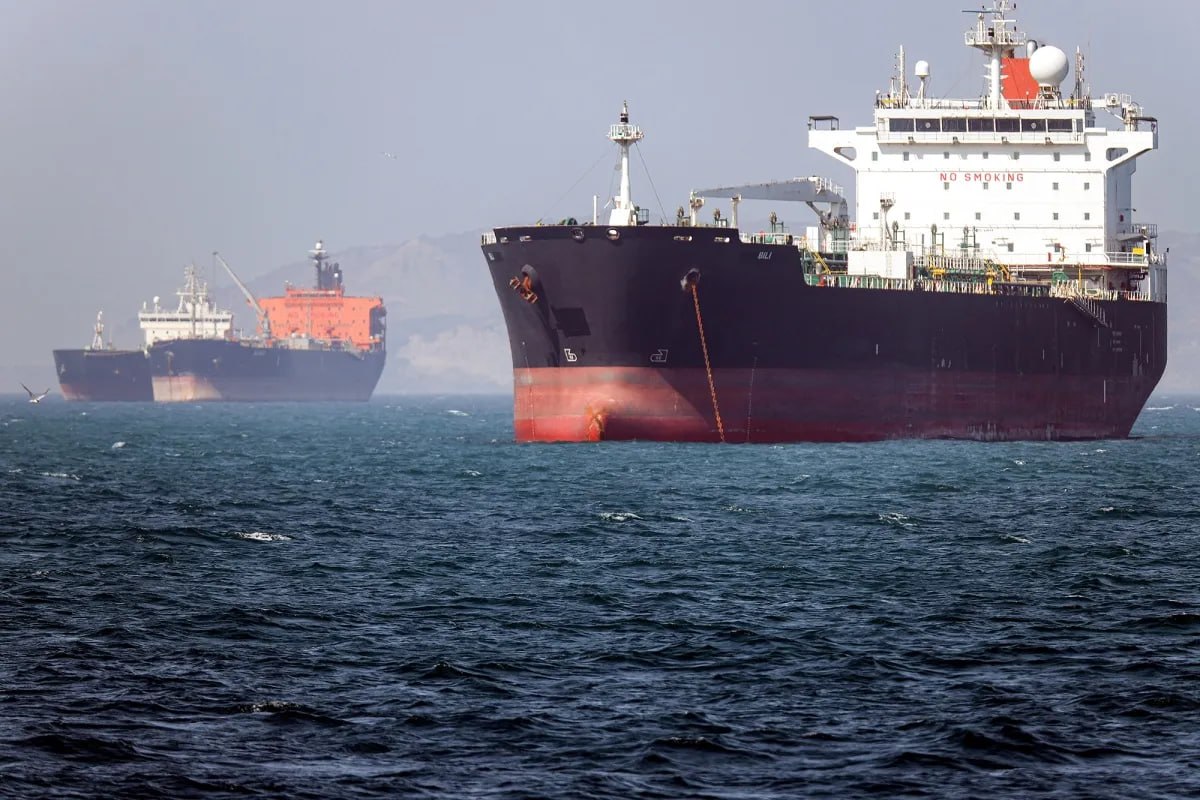
Rapidan Energy Group analysts warn of a possible economic crisis that could reach the scale of 2008 due to the blockade of the Strait of Hormuz. If the situation drags on, the global oil shortage could reach critical levels and energy prices could rise sharply.
Basic context
Rapidan Energy Group forecasts two scenarios for the development of the situation around Strait of Hormuz - a key route for global oil supplies. According to the optimistic scenario, if shipping resumes in July, global oil consumption will be reduced by an average of 2.6 million barrels per day. In this case, the price of crude oil Brent could rise to $130 per barrel, almost twice as high as at the end of February.
The pessimistic scenario assumes that the crisis will drag on until August, leading to a catastrophic shortage of 6 million barrels per day in the third quarter. Global oil reserves will fall to a critically low level, causing a large-scale shortage and a drop in global consumption.
Economic consequences of the blockade
A halt in shipments through the Strait of Hormuz could trigger a chain reaction in the global economy. A sharp price increase The increase in energy prices will lead to higher inflation, which in turn will limit production in many industries. Rapidan Energy Group notes that such conditions could trigger a crisis on a scale comparable to the Great Recession of 2007-2008.
Threat blockade of the Strait of Hormuz The oil price crisis calls into question the stability of energy markets and global economic security. This is a cause for concern among experts, as such disruptions in oil supplies can significantly change the geopolitical and economic landscape of the world.