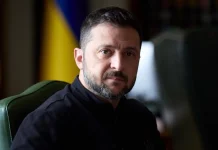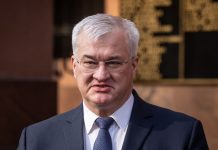
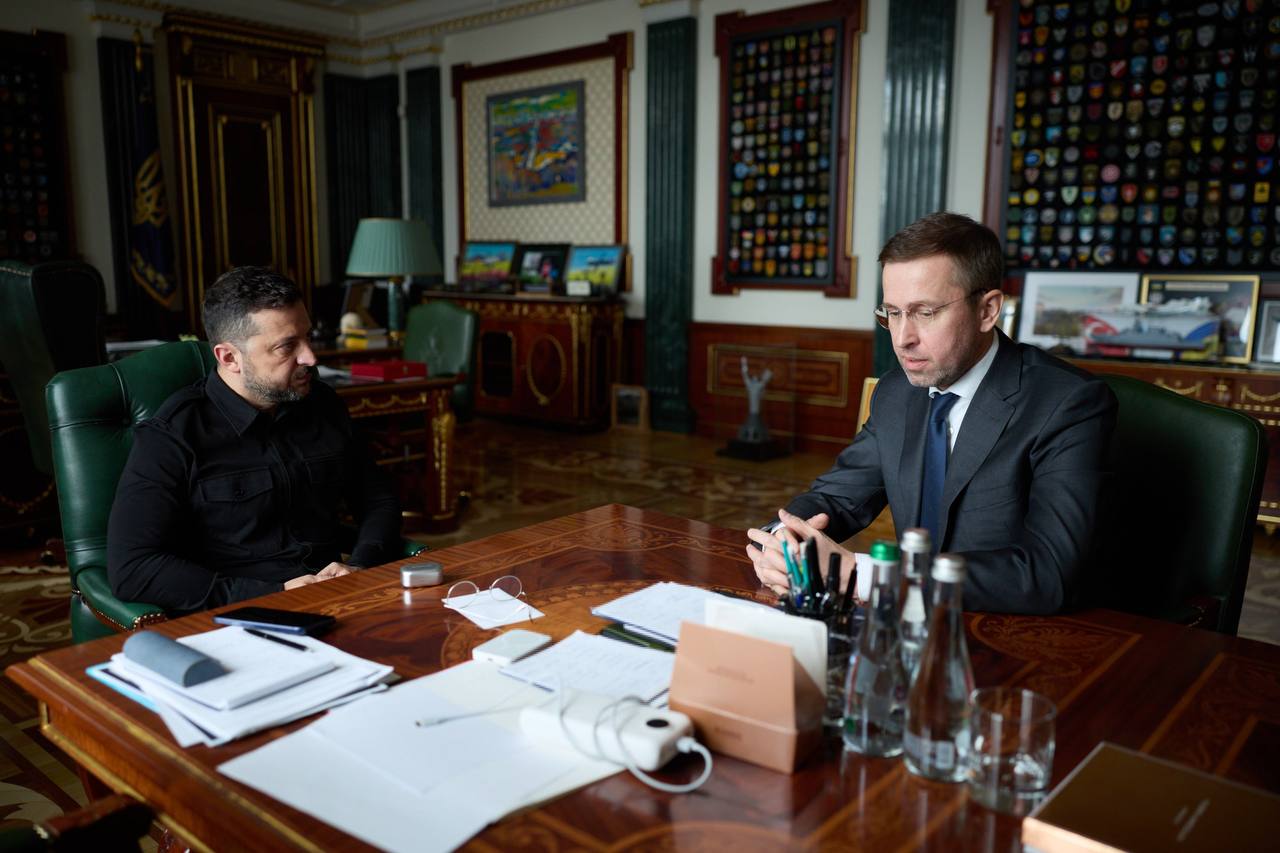
President Volodymyr Zelenskyy held a meeting with Serhiy Koretskyi, Chairman of the Board of Naftogaz, during which they discussed the performance of Ukrnafta and Naftogaz, the challenges facing the energy infrastructure, and the need to accelerate the transformation of state-owned companies. Particular attention was paid to preparations for winter, the protection of energy facilities and cooperation with international partners.
Briefly about the main points
- Zelenskyy met with Koretskyy against the backdrop of the announced changes to the government.
- Discussions took place on the restructuring of Naftogaz and Ukrnafta and preparations for winter.
- Ukrnafta has signed an agreement with Wärtsilä; funding is provided by the EBRD.
- Naftogaz has agreed to collaborate with the IFC at URC 2026.
- The government has allocated 22.1 billion hryvnias to protect critical infrastructure.
Key topics of the meeting: the transformation and sustainability of the energy sector
During the meeting, the President of Ukraine Volodymyr Zelenskyy thanked To Serhiy Koretskyi for his leadership of Ukrnafta and Naftogaz, commending him on the achievement of the set national targets. According to Zelenskyy, these companies operate under considerable pressure and amid conflicting interests; however, Koretskyi ensured that national interests were upheld.
The discussion centred on new challenges, in particular Russian strikes on energy infrastructure, petrol stations and other facilities in border and frontline regions. The President emphasised the need to accelerate the transformation of state-owned companies in order to enhance the country’s resilience and implement the updated political strategy.
International agreements and investment for energy security
Ukrnafta has signed a framework agreement with the Finnish company Wärtsilä on the development of distributed generation. The first phase is being financed by an EBRD loan of 80 million euros. Serhiy Koretskyi described this project as strategic for strengthening Ukraine’s energy security.
The Naftogaz Group also agreed to cooperate with the International Finance Corporation (IFC) during the Ukraine Recovery Conference in Gdańsk. This is the first document of this calibre to be signed at URC 2026, although the specific areas of investment have not yet been disclosed.
Preparing for winter: new approaches and funding
The government began systematic preparations for the 2026/2027 heating season as early as February this year. According to the director of the Centre for Energy Research Oleksandra Kharchenko, this is the most intensive training we’ve had in recent years.
Prime Minister Yulia Sviridenko She reported that 22.1 billion hryvnias had already been allocated to protect 576 critical infrastructure facilities, including power stations, substations, gas distribution stations and the railway network. The first phase has been 46%.
DTEK Energo has invested around 7 billion hryvnias in restoring its facilities and preparing them for the summer peak demand period and the coming winter. The company’s Chief Executive Officer Oleksandr Fomenko He emphasised that the main task is to quickly rebuild what has been destroyed and improve the resilience of the power system.
Unknown details and challenges for the energy sector
Despite the significant volume of investment and international agreements, a number of details remain unclear. In particular, no details have been disclosed regarding the timeline for the project with Wärtsilä, the volume of equipment or the geographical scope of implementation. Nor has it been clarified exactly which areas of cooperation with the IFC will be pursued.
There has as yet been no public confirmation of personnel changes at Naftogaz and Ukrnafta following Zelenskyy’s meeting with Koretskyi. Nor have any specific measures to protect energy infrastructure in frontline regions been outlined.
The funds allocated for infrastructure protection are substantial, but it is unclear whether they will fully meet the needs, particularly in the most vulnerable regions.
Editorial analysis: trends and risks in preparing for winter
Current preparing for winter The 2026/2027 period reflects a shift in approach — with an emphasis on early planning, diversification of energy sources and engagement with international partners. However, uncertainty regarding project details and the adequacy of funding may affect the effectiveness of these measures.
The implementation of the agreements with Wärtsilä and the IFC has the potential to strengthen energy security, but the specific outcomes will depend on the pace of implementation and further support. It remains to be seen whether the energy sector will be able to adapt fully to the new threats and ensure stability in the event of further attacks.