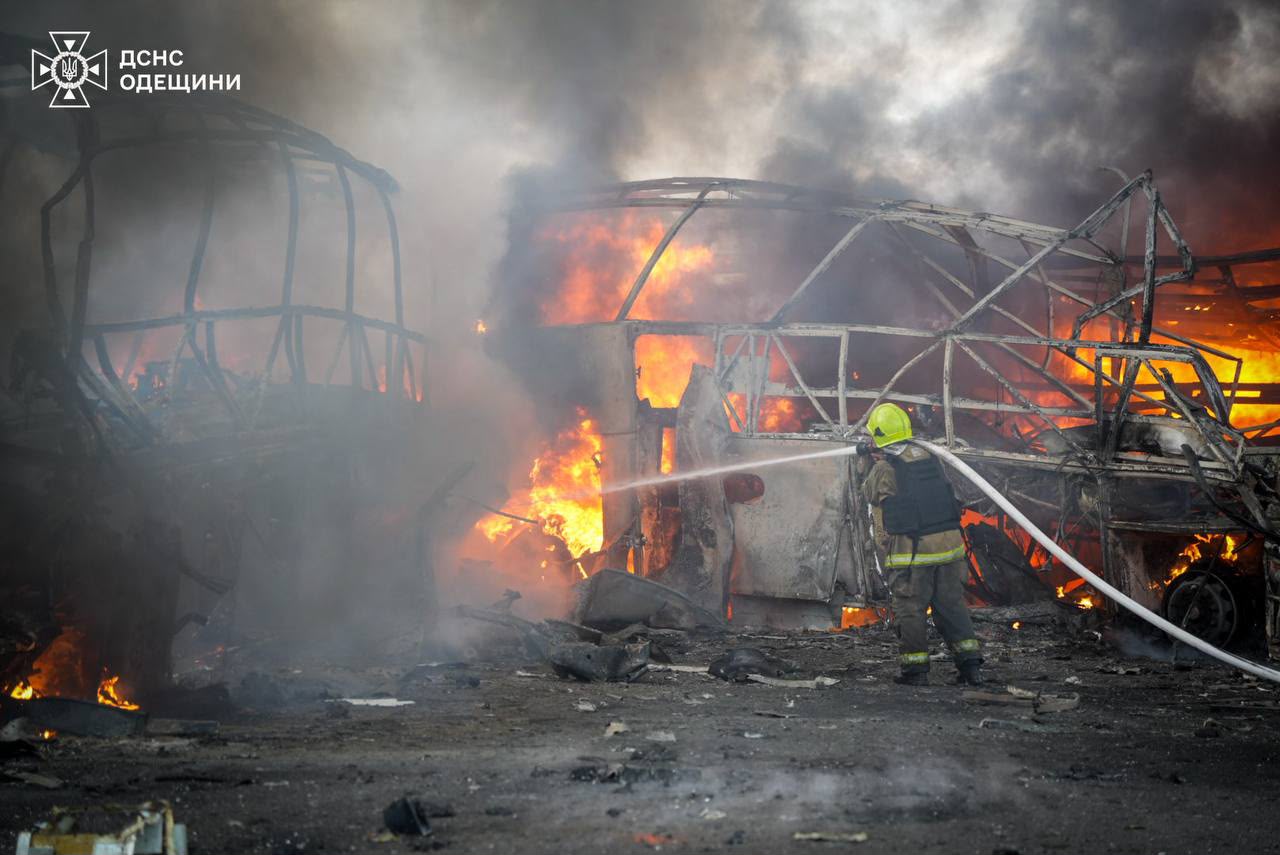
Russian forces have carried out further attacks on civilian targets in Odesa, Zaporizhzhia and the Kharkiv region, resulting in deaths and injuries amongst the civilian population. The Ukrainian authorities are emphasising the need to strengthen air defences and have announced an international meeting on the FREYJA project. The EU and the UK have responded with new sanctions and financial support.
Briefly about the main points
- Russia has carried out strikes on Odesa, Zaporizhzhia and the Kharkiv region; there are civilian casualties.
- At least one person has died in Kharkiv, and four in Zaporizhzhia.
- Ukraine is organising an international meeting on the FREYJA missile defence system.
- The EU and the UK have imposed new sanctions on Russia.
- The FREYJA project is not yet operational, but testing is ongoing.
New attacks on civilians: casualties in Odesa, Zaporizhzhia and the Kharkiv region
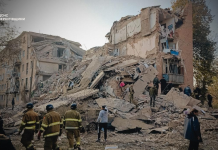
Russian forces have once again carried out strikes on civilian targets in Ukraine. In Kharkiv, an air strike on a residential building killed at least one person, whilst nine others were injured, including a six-year-old child. In Zaporizhzhia, at least four people were killed and six were injured as a result of shelling.
According to international organisations, in just two weeks in June, more than 3,000 attacks on medical facilities, healthcare workers and infrastructure were recorded in Ukraine. Such attacks have become part of Russia’s systematic campaign against the civilian population, as confirmed by numerous sources.
International reaction: new sanctions and support
On 15 June, the European Union adopted a new sanctions package against Russia, covering 34 individuals and 47 legal entities. The restrictions target the energy sector, the military-industrial complex, propaganda and human rights abuses.
On 16 June, the UK imposed sanctions on more than 70 new entities, including tankers, insurance companies and financial networks. In total, nearly 500 Russian targets were subject to sanctions in 2026. A commitment was also announced to provide Ukraine with £21.8 billion in support, comprising military, humanitarian and export finance assistance.
At the summit G7 The leaders reaffirmed their renewed support for Ukraine’s defence and energy resilience, and agreed on further sanctions against Russia.
- The EU sanctions relate to the energy sector, the defence industry and propaganda.
- Britain has imposed sanctions on tankers and financial networks.
- The G7 has reaffirmed its support for Ukraine and announced new sanctions against Russia.
Development of the FREYJA project: testing and international coordination
Ukraine is stepping up work on its own FREYJA ballistic missile defence system. Fire Point has completed a controlled flight test of the FP-7.X interceptor, which is a key component of the future system. To integrate FREYJA, Fire Point has signed a memorandum of understanding with the German company Hensoldt regarding the supply of state-of-the-art TRML-4D radars.
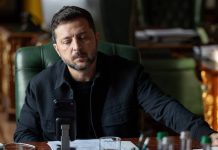
President Zelenskyy has announced that an international meeting will be held in France, attended by eight European partners, to discuss the further implementation of FREYJA. This project is seen as a potentially widespread and more affordable alternative to the Patriot system, although it is not yet fully operational.
Assessment of the effectiveness of sanctions and the prospects for FREYJA
The new sanctions imposed by the EU and the UK are aimed at restricting Russia’s financial and technological capabilities. According to EU estimates, the losses to the Russian economy could reach €1–1.3 trillion, although the actual impact on the Kremlin’s military capabilities has not yet been specified.
With regard to FREYJA, analysts note that the system requires further integration and testing. Mass production of the FP-7.X and the system’s entry into service are not expected until the end of 2027 at the earliest, but these dates remain unconfirmed. FREYJA’s effectiveness compared to the Patriot is still being assessed with caution, although its potential to strengthen Ukraine’s air defence is recognised.
Next steps and unknown circumstances
The exact dates and the list of participants for the forthcoming FREYJA meeting in France remain unknown. The Ukrainian authorities expect that coordination with their European partners will speed up the roll-out of the system.
At the same time, despite the sweeping sanctions, Russia retains its capacity to wage war, and the effectiveness of international pressure will only become clear in due course. Ukraine continues to call for the strengthening of its air defence capabilities and for international support to protect the civilian population.