The US has launched a new wave of missile and drone strikes against Iran, following which Tehran declared that ships could no longer pass through the Strait of Hormuz due to US actions. Iran responded with attacks on countries in the Persian Gulf, and oil prices rose sharply. The conflict calls into question the future of the recent ceasefire agreement.
Briefly about the main points
- The US has carried out more than 140 strikes against Iranian targets in the region.
- Iran has announced missile attacks on countries in the Persian Gulf.
- The Iranian authorities have announced that passage through the Strait of Hormuz is currently impossible due to US actions, although some vessels are continuing to pass through.
- Oil prices rose by more than 3.5% following the escalation.
- The truce between the US and Iran is under threat.
A new wave of attacks: US actions and Iran’s response
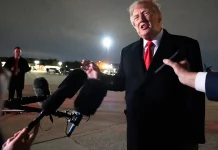
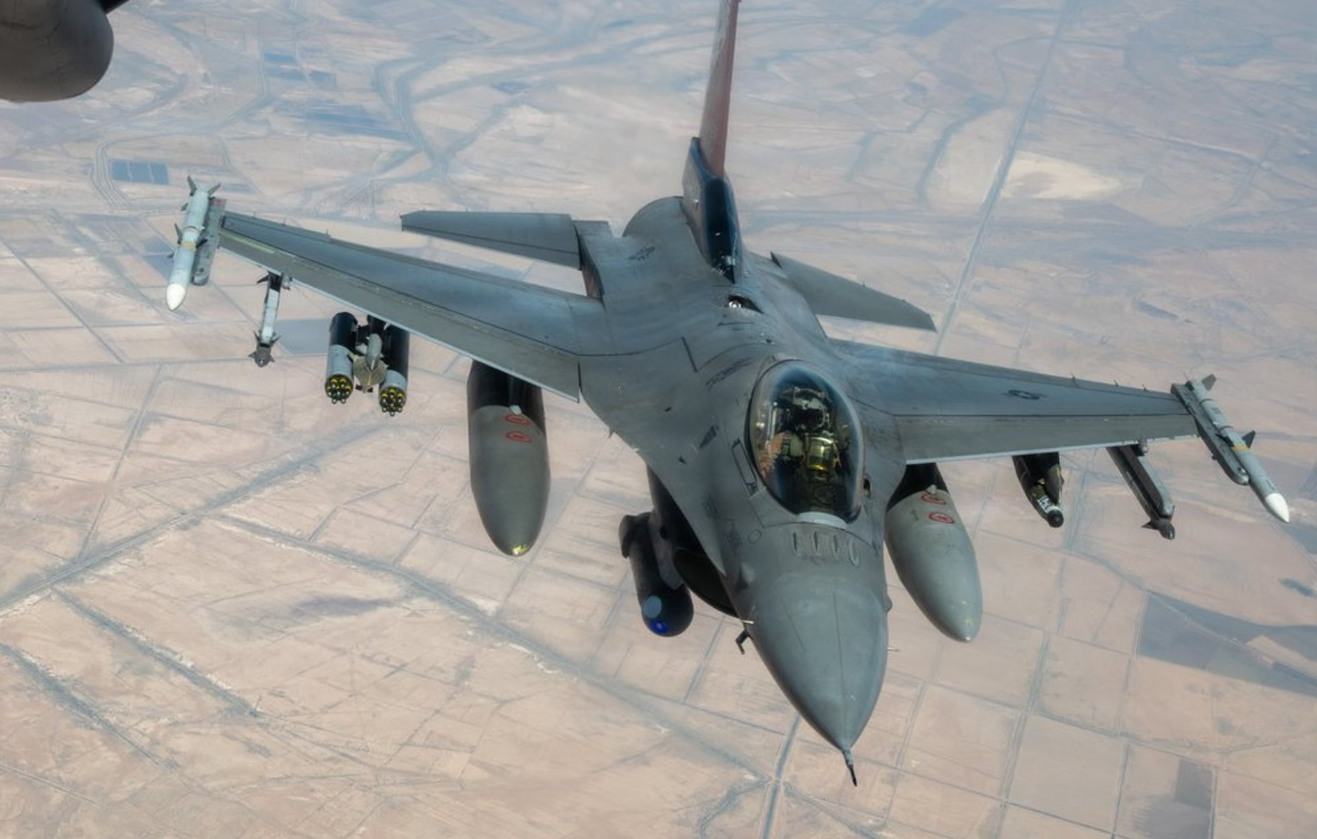
On Sunday evening, the US launched a new series of strikes against Iranian military targets. According to the US Central Command (Centcom), the aim was to reduce Iran’s ability to attack civilian vessels and commercial ships passing through the Strait of Hormuz. President Donald Trump stated that these strikes were intended to hold Iran to account.
In response, Iran announced missile attacks on countries in the region where US military bases are located. In particular, Jordan reported that four Iranian missiles had been shot down, whilst Kuwait stated that it had responded to hostile aerial targets. Attacks were also recorded in Qatar and the UAE.
Restrictions on passage through the Strait of Hormuz and the positions of the parties
The Iranian authorities have stated that passage through the Strait of Hormuz is currently impossible due to recent US actions. The Persian Gulf is a key route for the transport of oil and gas, and before the war, a fifth of the world’s energy resources passed through it.
The Iranian authorities have stated that passage permits will only be issued once stability has been restored. The US, for its part, has emphasised its readiness to ensure freedom of navigation, despite «threats and arbitrary statements» from Iran. Centcom reports that some vessels are still passing through the strait, whilst the alternative route via southern Oman remains open.
Ceasefire under threat: a diplomatic impasse
The latest escalation has cast doubt on the fate of provisional agreement between the US and Iran, signed last month. The Iranian side stated that the diplomatic efforts had proved fruitless due to the US’s actions.
Talks between Iran and Oman on the management of the strait have failed to produce a result. Iran’s chief negotiator, Mohammad Bagher Kalibaf, emphasised that «the era of unilateral agreements is over».
Impact on the energy market and the global economy
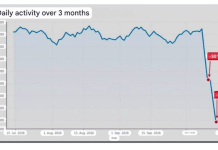
Since the start of the conflict, oil prices have risen significantly, and the latest escalation has led to a surge of more than 3.5% during trading in Tokyo. The price of US WTI crude oil exceeded $74 per barrel.
Rising energy prices has already had an impact on global inflation. For the Trump administration, this issue is taking on political significance in the run-up to the November US congressional elections.
Further risks to the region and global shipping
Restrictions on passage through the Strait of Hormuz and the ongoing attacks pose serious risks to the safety of shipping and energy supplies. Although some vessels are still passing through the strait, companies are considering alternative routes.
Further escalation could lead to prolonged disruptions to oil and gas supplies, as well as to fresh waves of rising energy prices.