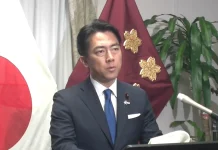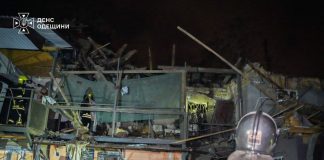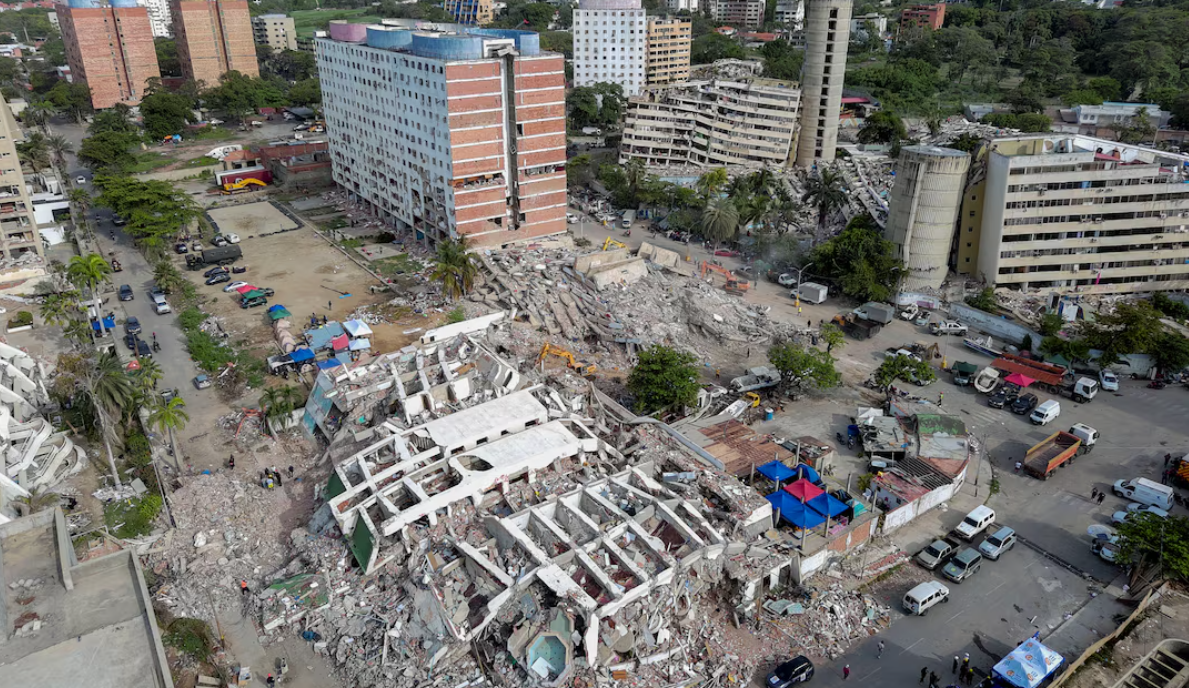
The death toll from the two powerful earthquakes that struck Venezuela on 24 June has risen to 4,333, according to Jorge Rodríguez, President of the National Assembly. More than 16,700 people were injured, and around 17,000 have been left homeless. The authorities have announced the start of the distribution of the first 200 residential buildings to those affected, but the humanitarian situation in the region remains difficult.
Briefly about the main points
- The earthquakes in Venezuela claimed 4,333 lives, with 16,740 people injured.
- Around 17,000 people have been left homeless, and rescue operations are ongoing.
- The authorities plan to hand over the first 200 homes to those affected next week.
- The public health situation is deteriorating: there is a rise in the number of illnesses and cases of diarrhoea.
- International aid is arriving, but the need for housing remains significant.
Updated figures on casualties and damage
According to the latest official figures, the death toll from earthquakes in Venezuela has reached 4,333. Of these, 315 bodies remain unidentified. The number of injured stands at 16,740, and over 17,000 people have been left homeless. The disaster has damaged 856 buildings, 190 of which have been completely or partially destroyed.
Rescue operations are continuing, although the authorities acknowledge that the search is being hampered in some areas. The President of the National Assembly Jorge Rodríguez He reported that the search for survivors is continuing at one or two locations where the situation remains unclear.
The humanitarian situation and medical challenges
In the affected regions, there has been a rise in cases of chronic illnesses and diarrhoea, indicating a deterioration in sanitary conditions. According to the Pan American Health Organisation, half of the healthcare workers in the state of La Guaira have been affected by the earthquakes, which is hampering the provision of care.
With infrastructure in ruins and a shortage of medical resources, the risk of outbreaks of infectious diseases remains high. Local and international organisations are trying to meet the basic needs of those affected, but the scale of the challenges is growing.
- 50% healthcare facilities in La Guaira were affected by the earthquakes.
- The number of cases of diarrhoea and chronic illnesses is on the rise.
- Problems with access to medical care in the affected areas.
The housing crisis and the first steps towards recovery
The Venezuelan authorities have announced that the allocation of the first 200 residential buildings to those affected will begin as early as next week. According to preliminary estimates, at least 25,000 new homes will need to be built to provide accommodation for everyone who has lost their home.
The government has already identified around 40 plots of land, with a total area of over 580,000 square metres, in the Osma and Chuspa districts for future housing projects. At the same time, over 28,000 people are forced to live in houses at risk of collapse.
International aid and financial challenges
Most of the international aid sent to Venezuela following the earthquakes came from the US, according to UN. However, the full extent of support from other countries remains unknown.
Funding for the reconstruction of housing and infrastructure is estimated at 37 billion US dollars. The question of funding sources, particularly regarding assets which, according to the government, are «illegally held» abroad, has not yet been clarified.
The challenges of recovery and trust in government programmes
The scale of the destruction and the need for tens of thousands of new homes point to a long-term housing crisis. Some buildings constructed under the government’s «Housing Mission» programme did not withstand the earthquakes, raising doubts about the quality of government projects.
Venezuela’s recovery will require not only financial resources, but also a review of construction standards and transparency in the distribution of aid. Trust in government initiatives may depend on how effectively and honestly the recovery is organised.