Europe is facing a shortage of launch vehicles, which is making it difficult to secure autonomous access to space for its own defence and civilian needs. Despite a series of successful Ariane 6 launches, experts point to limited capacity and the need for large-scale investment. The EU and individual countries have already announced over $100 billion in funding by 2030, but the effectiveness of these measures depends on coordination and technological development.
Briefly about the main points
- Europe is facing a shortage of its own launch vehicles for launching satellites.
- Ariane 6 has successfully carried out eight launches, including 36 Amazon satellites.
- The EU and its member states are set to invest over $100 billion in space defence by 2030.
- The European Launcher Challenge initiative has been launched to develop the rocket market.
- A shortage of launch vehicles could limit Europe’s autonomy in the event of a space crisis.
A series of successful Ariane 6 launches, but capacity is lacking
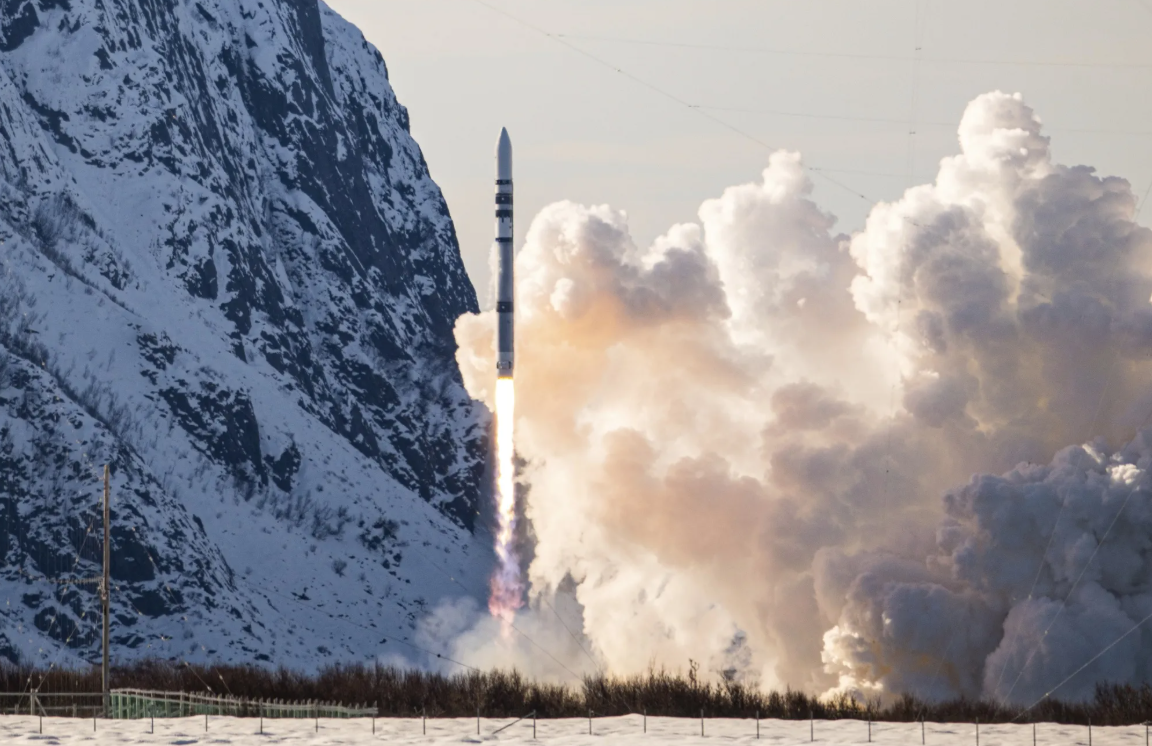
17 June 2026, a rocket Ariane 6 successfully launched 36 Amazon LEO satellites into orbit. This marks the eighth consecutive successful launch for this European rocket, confirming its reliability for various types of missions, including commercial and government projects.
Director General of the ESA Josef Ashbacher highlighted the modularity of Ariane 6 and emphasised its role in ensuring Europe’s autonomous access to space. However, even with these successes, experts point out that Ariane 6’s current capacity may be insufficient to rapidly scale up military capabilities in the event of a crisis.
European investment in space defence and new initiatives
European countries have announced large-scale investments in the development of space defence. By 2030, Germany plans to spend €35 billion, France €10.2 billion, the EU €10.6 billion on a secure satellite communications system, and the ESA €1.2 billion on the European Resilience from Space programme. The total investment exceeds $100 billion.
To stimulate competition and enhance market resilience, the ESA has launched the European Launcher Challenge initiative. At the same time, a supply chain for plutonium-238 for deep-space missions is being developed, although it is not expected to be operational until at least 2039.
- Germany: €35 billion for space defence by 2030
- France: €10.2 billion for military space programmes
- EU: €10.6 billion for a secure satellite communications system
- ESA: €1.2 billion for European Resilience from Space
Strategic autonomy: challenges and the political response
Following the phasing out of Russian “Soyuz” rockets and increasing reliance on American ones SpaceX, Europe is striving for strategic autonomy in space. The European Parliament and the governments of France and Germany emphasise the need for its own launch infrastructure in order to avoid external control over critical satellite systems.
The IISS report states that Europe needs an additional $10 billion to achieve full autonomy, and a further $25 billion by 2030 to achieve strategic sovereignty. At the same time, initiatives such as the European Launcher Challenge have so far had a limited impact on the market.
Uncertainties and risks for European space policy
Despite increased investment and the launch of new programmes, a number of uncertainties remain. In particular, the exact schedule and number of Ariane 6 launches in 2026 have not been finalised, nor have the prospects for the development of new European launch vehicles.
The pace of implementation of the EDA, SAFE, EDIP and Readiness 2030 programmes, as well as the production of Pu-238 for deep space, remains uncertain. The effectiveness of these investments depends on coordination between countries, the speed of implementation and the technological capabilities of European companies.
Will Europe be able to overcome its missile shortage and achieve autonomy?
The successes of Ariane 6 and the large-scale investments demonstrate the seriousness of Europe’s intentions to strengthen its own space infrastructure. However, as experience shows, addressing the shortage of launch vehicles requires not only funding, but also the rapid implementation of innovative programmes and coordination between governments and private companies.
An editorial analysis suggests that if the current rate of development remains unchanged, Europe risks remaining vulnerable in the event of intensified space competition or conflict. The future of autonomy will depend on the ability to rapidly scale up rocket production and introduce new technologies.