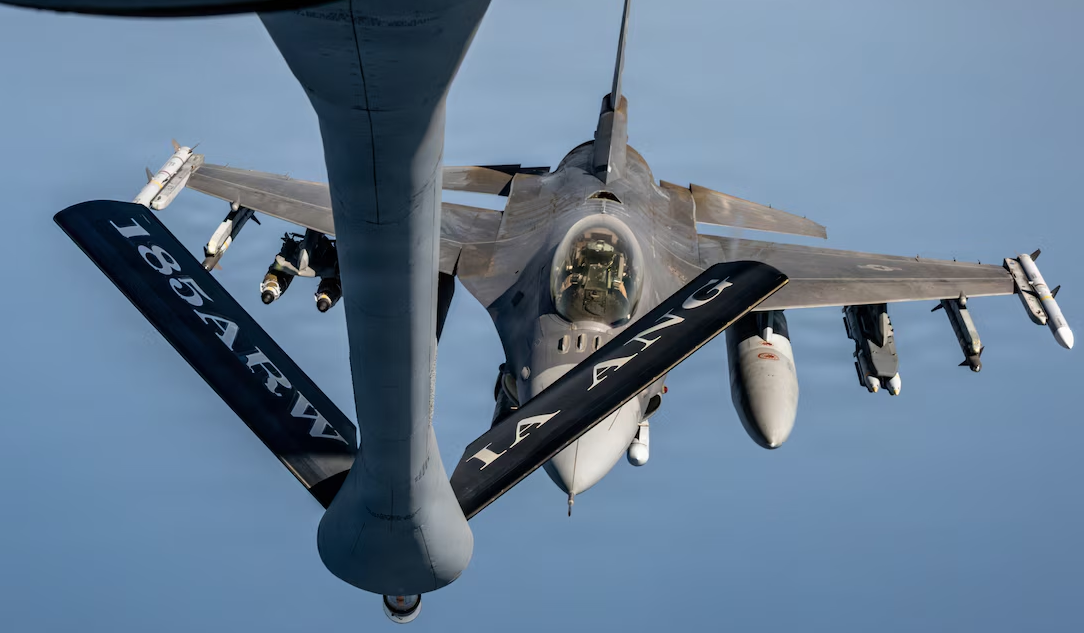
US Central Command has announced the completion of the seventh consecutive night of strikes against Iran. According to CENTCOM, US forces deployed fighter jets, drones, warships and other assets against surveillance facilities, military logistics sites, underground weapons depots and maritime targets.
Briefly about the main points
- CENTCOM has announced a seventh wave of night-time strikes against Iran.
- The US has identified logistics, surveillance, weapons depots and maritime facilities as targets.
- US forces deployed fighter jets, drones and warships.
- A tower has collapsed in Chabahar, the purpose of which is described differently by various parties.
- Iran has admitted to attacks on energy infrastructure in the southern provinces.
What targets did the US military identify?
In the statement CENTCOM These strikes targeted observation posts, military logistics infrastructure, underground weapons depots and maritime facilities. The command did not specify the number of targets struck or the results of each strike.
The seventh wave took place on the orders of the US President Donald Trump. Two days earlier, he had stated that the US was «winning» the war with Iran and that the results would soon be evident.
The tower in Chabakhari and disruption to transport links
The Associated Press reported that a tower collapsed during the strikes on the night of 17 July at the port of Chabahar on the coast of the Gulf of Oman. The Iranian news agency IRNA described it as a facility used to monitor commercial traffic. CENTCOM, however, stated that it was part of a maritime surveillance network. IRGC, which was used to track and attack merchant ships in the Strait of Hormuz.
Iranian state media also reported that at least five bridges in the south of the country had been hit and that a railway station in Bandar-e Hamiri had been damaged. The AP noted that the strikes on road and railway bridges in Hormozgan Province may have been aimed at disrupting transport links between the port of Bandar Abbas and central Iran.
Tehran has admitted to the attacks on energy infrastructure
Iran’s Ministry of Energy has publicly acknowledged the attacks on energy infrastructure and called on residents of the southern provinces to reduce their electricity consumption due to the heatwave. The Iranian side did not specify which facilities had been hit.
The Iranian authorities have reported at least 46 dead and over 400 injured as a result of the latest US strikes. She also reported that eight people had been killed during the strike on the bridge on 17 July. The AP did not provide any independent confirmation of these figures.
Focus on the Strait of Hormuz
The stated maritime objectives are consistent with the current focus of the escalation centred on Strait of Hormuz. After the war began on 28 February, Iran effectively closed the strait to shipping; on 17 July, the price of oil exceeded $86 per barrel, whilst the number of vessels passing through the strait fell to a three-week low.
Reports of strikes on ports, bridges, railways and energy infrastructure suggest that the list of targets has been expanded. This could increase the risks to transport links, energy supplies and shipping in southern Iran.