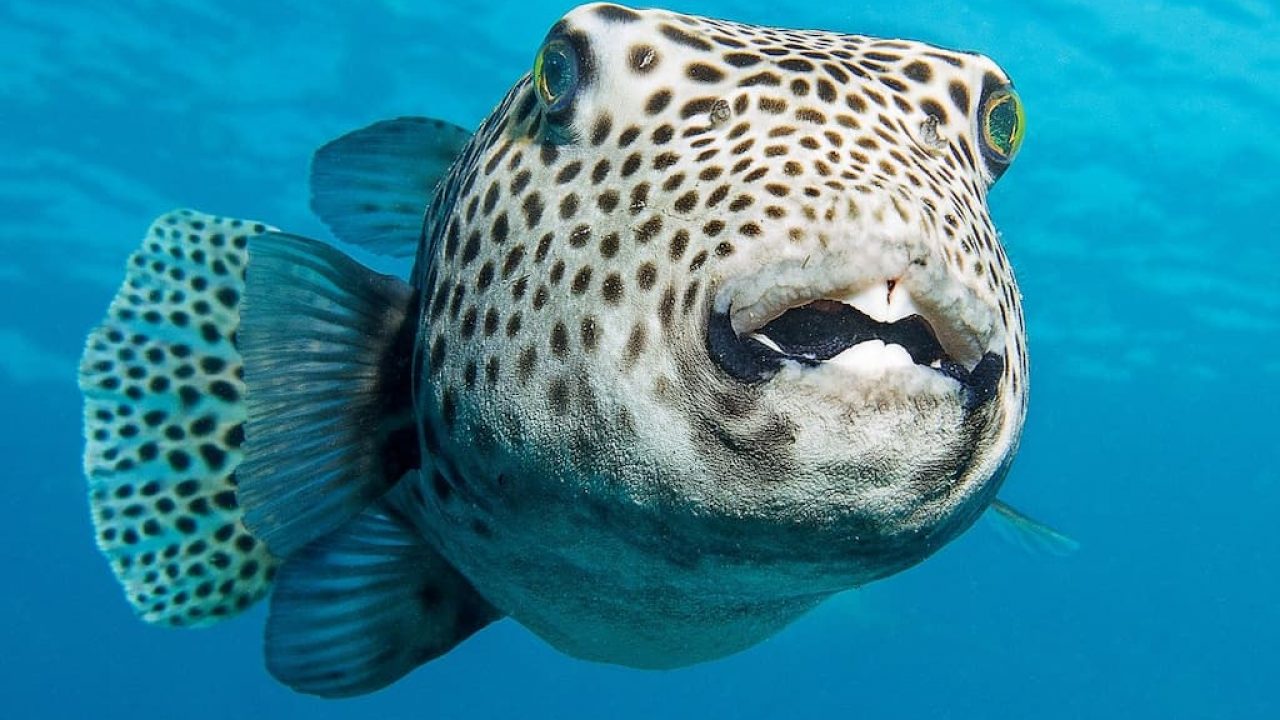
The pufferfish of the species Lagocephalus sceleratus was recorded in the Black Sea off the coast of Ukraine as far back as 2014, according to the State Environmental Inspectorate of the South-Western Region. The species has already become widespread in the Mediterranean Sea and is found in Greece, Turkey and Cyprus. The fish contains a potent toxin and is capable of causing serious injury with a bite.
Briefly about the main points
- Fugu fish were spotted off the Ukrainian coast of the Black Sea in 2014.
- The species has already been recorded in Greece, Turkey, Cyprus and off the coast of Montenegro.
- Tetrodotoxin can cause paralysis, respiratory arrest and death.
- The spiny loach damages fishing gear and displaces native species by feeding on molluscs and fish.
- The Environmental Inspectorate attributes the possible expansion of the species’ range to climate warming.
The species has reached the Mediterranean
We are talking about Lagocephalus sceleratus, also known as the silver tetraodon or silver pufferfish. In Europe, the fish has already been recorded in Greece, Turkey and Cyprus, whilst individual specimens have been found in the Adriatic Sea off the coast of Montenegro.
The species entered the Mediterranean Sea via the Suez Canal from the Red Sea. In Greece, its proliferation has become such a significant issue for fishermen that the state pays a bounty for reporting catches and handing in such fish — over 270 hryvnias per kilogram.
Toxin and powerful jaws
The greatest danger associated with eating fugu stems from tetrodotoxin, which is found in the fish’s internal organs. This is a neurotoxic poison: it can cause paralysis, respiratory arrest and death. The article states that the toxin in a single fish is enough to kill several dozen people.
Lagocephalus sceleratus also has four large fused teeth, resembling a parrot’s beak. With these, the fish is capable of biting through metal hooks, damaging fishing nets and inflicting serious injuries on people. In Turkey, according to a source, the fish attacked a child; protective nets have been installed on some Greek beaches due to the risk.
What is known about the risk to the Ukrainian coastline?
The State Environmental Inspectorate for the South-Western Region issued a specific warning about this species last year. According to its data, the silver tetraodon was first spotted off the coast of Ukraine in the Black Sea in 2014.
Inspection officials believe that due to warming Given the climate, the species has the potential to expand its range in the Black Sea. Summer water temperatures are suitable for these fish. This could increase risks to human health, small-scale fisheries and local biodiversity.
Impact on fisheries and local species
The danger is not limited to toxins and bites. Fish of the pufferfish family feed on molluscs, fish and crustaceans, and may therefore displace native species. In the Mediterranean Sea, fishermen are also complaining about declining catches and damaged fishing gear.
The spread of Lagocephalus sceleratus in neighbouring marine regions and its confirmed presence in the Black Sea highlight the need to monitor new catches closely.