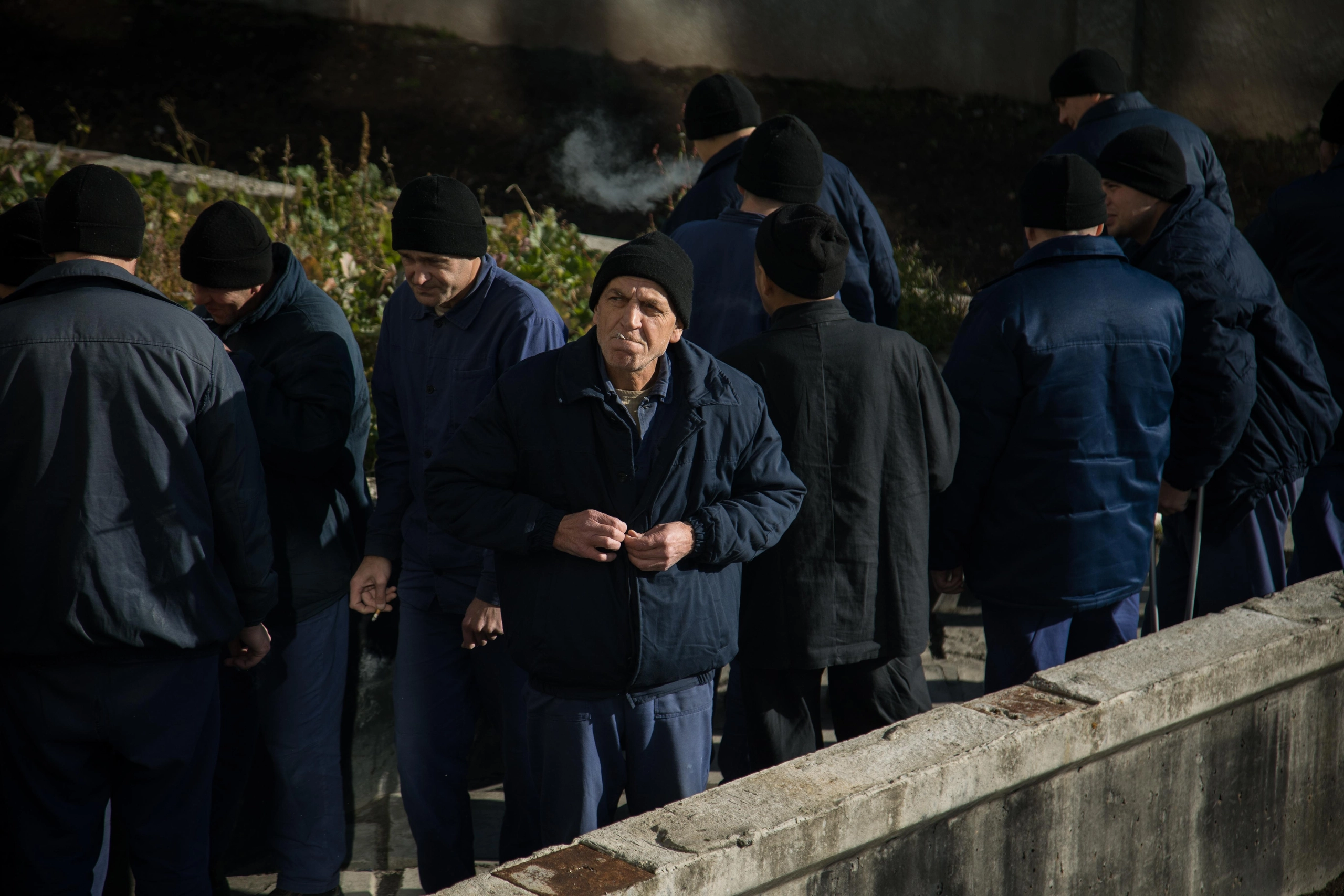
There are 20 Russian servicemen currently held captive in Ukraine who had previously been captured by the Ukrainian Armed Forces and, upon their return to Russia, voluntarily surrendered to Ukrainian forces for a second time. This was reported by the Coordination Headquarters for the Treatment of Prisoners of War. The agency believes that these men’s decision was influenced by their previous experience of captivity.
Briefly about the main points
- Twenty Russian soldiers who have surrendered for a second time are being held in Ukraine.
- All of them had previously been held captive by the Ukrainians.
- The Coordination Headquarters attributed this to the experience of proper conduct.
- Russian soldiers can surrender voluntarily via the «I Want to Live» initiative.
- «I Want to Find» has confirmed that 3,939 Russian military personnel were taken prisoner in 2024.
Assessment by the Coordination Headquarters and rules for the treatment of prisoners of war
The Coordination Headquarters stated that the fact that they have voluntarily surrendered a second time demonstrates that the Russian military are aware of the conditions of detention in Ukraine. «Those who have already been held as prisoners of war in Ukraine have seen for themselves that Ukraine provides adequate conditions of detention and that Russian prisoners of war are treated humanely,» the agency emphasised.
The treatment of prisoners of war is governed by The Third Geneva Convention. It obliges the parties to treat prisoners of war humanely, to protect them from violence, intimidation, insults and public curiosity, and to provide them with food, medical care and adequate conditions of detention. The status of a prisoner of war does not exempt a person from liability for any war crimes they may have committed.
The UN Human Rights Monitoring Mission, in its report covering the period from December 2025to May 2026, noted that around half of the Russian prisoners of war interviewed reported torture or other ill-treatment, predominantly during their capture and transport to official places of detention. The UN emphasised that all prisoners of war must be treated humanely in accordance with international humanitarian law.
Returning to Russia and working on government projects
Being taken prisoner a second time means that, upon their return to Russia, these soldiers found themselves once again serving in the Russian armed forces or in a combat zone. The circumstances of their return to the army and the reasons for their second surrender may vary from case to case. The Joint Staff did not disclose the names of the prisoners, their units, the circumstances of their second surrender, or the time of their return to Russia following their first capture.
Ukraine is holding prisoner exchanges to secure the return of its military personnel and civilians. According to the Coordination Headquarters, since it began operating in January 2024, the «I Want to Find» project has received 200,084 enquiries from relatives of missing Russian servicemen, confirmed that 3,939 people were being held in Ukrainian captivity, and 2,519 of them were exchanged for Ukrainian defenders.
The «I want to live»provides Russian military personnel with instructions on how to surrender safely and voluntarily — either before being sent to the front or directly during combat operations. In contrast, «I want to find» is intended for relatives who are searching for missing Russian servicemen and wish to ascertain their fate.
What does retaking the exam show?
The scale of the exchanges creates a situation in which former prisoners of war returned to Russia may subsequently find themselves once again at the front. At the same time, the mere fact that they re-enlisted does not explain the specific circumstances under which each of the 20 servicemen returned to the Russian forces — whether through a contract, mobilisation or other circumstances.
The Coordination Centre’s assessment is based on the fact that these individuals were already familiar with the procedures and conditions of Ukrainian captivity. However, the individual reasons behind their decision could only be established from the testimony of the servicemen themselves.