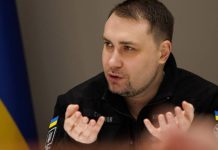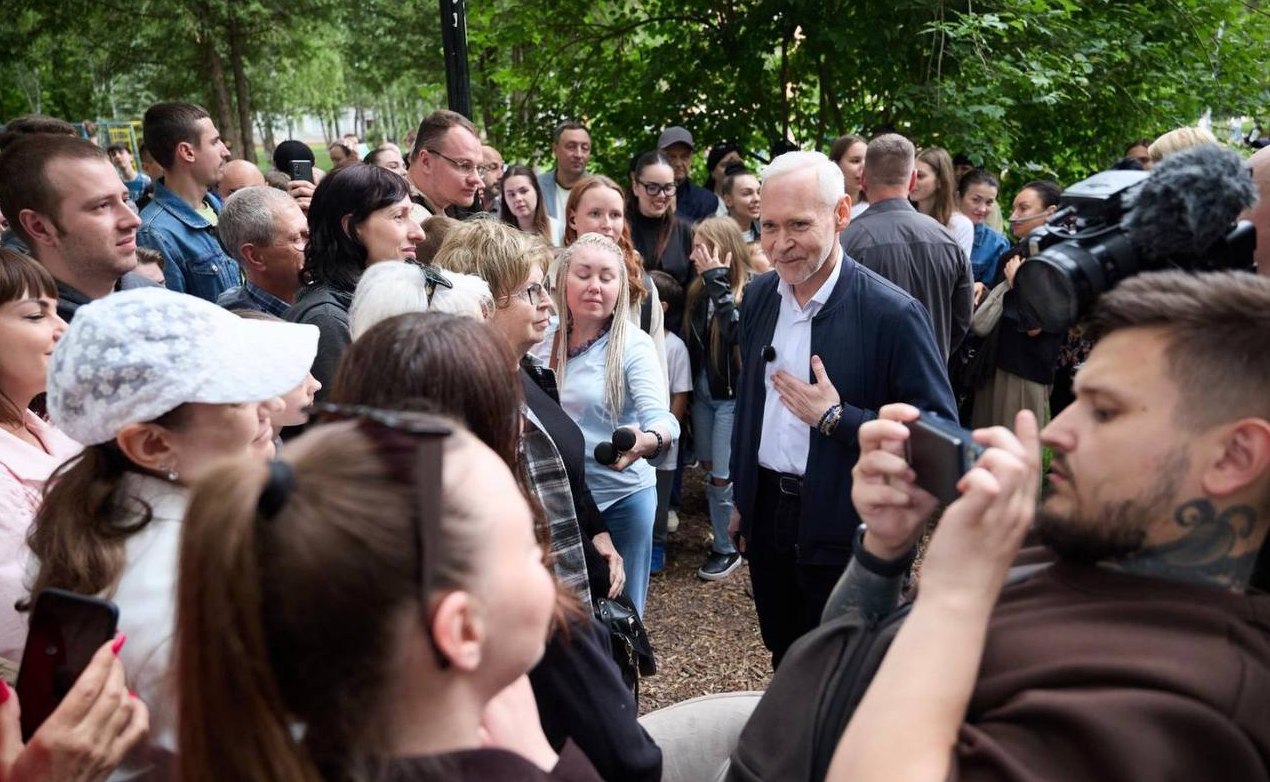
Ihor Terekhov, Mayor of Kharkiv and head of the Association of Frontline Cities and Communities, has called on the Verkhovna Rada to consider two draft laws aimed at reducing the financial burden on the population and supporting internally displaced persons. These are Bill No. 16069, which proposes reducing VAT on food, medicines, children’s goods and other socially essential items, and Bill No. 16096, which aims to strengthen social support for IDPs. Both bills have already been registered in parliament and are currently being considered by the relevant committees.
- Terekhov called on parliament to consider two social bills.
- No. 16069 provides for a reduction in VAT on a range of socially important goods.
- No. 16096 concerns the strengthening of support for internally displaced persons.
- According to World Bank estimates, the poverty rate in Ukraine in 2025 stood at 41.6%.
- Neither of the two bills has yet been passed and both are currently being considered by the committees.
Terekhov links these initiatives to rising poverty
The need for new social solutions Terekhov attributes this to the deterioration in Ukrainians’ financial circumstances amid the protracted war.
In his column, he cited a World Bank estimate, according to which In 2025, 41.6% of Ukraine’s population were living below the national poverty line. By way of comparison, in 2024 this figure was estimated at 37%. The World Bank itself notes that, after 2022, the poverty rate in Ukraine continued to rise due to a deterioration in household welfare.
Terekhov believes that budgetary discipline should not mean an automatic reduction in social support. In his view, the state must simultaneously take into account the state of public finances and citizens’ ability to pay for food, accommodation and medical treatment. This is the mayor’s own position, not an official government policy.
What does Bill No. 16069 provide for?
Bill No. 16069 has been registered with the Verkhovna Rada 14 September 2026.
Its official title is ‘On amendments to the Tax Code regarding the reduction of the VAT rate for:’
- foodstuffs;
- medicines;
- children’s goods;
- other socially important goods.
Formally, the bill was tabled by a group of MPs. Association of Frontline Towns and Communities states that she has been working on this initiative alongside MPs and relevant experts. The Verkhovna Rada Committee on Finance, Tax and Customs Policy has been designated as the lead committee for the bill. As at 30 September, the draft law is being considered by the committee.
The document has not yet been adopted, so the current VAT rates remain unchanged for the time being.
The second bill concerns IDPs
Bill No. 16096 has been registered 23 September and is intended to strengthen the social support system for internally displaced persons. As Terekhov explained, one of the document’s proposals is to organise assistance on the basis of the principle of single appeal, after which the individual should be supported in accordance with their specific needs, rather than having to contact different organisations separately.
The Verkhovna Rada’s official factsheet confirms that the bill concerns amendments to the legislation on social support for internally displaced persons. The parliamentary committee on human rights, de-occupation and the reintegration of temporarily occupied territories has been designated as the lead committee for the bill. The draft bill is also currently at the drafting stage.
The final decision must be taken by the Verkhovna Rada
Terekhov stated that the Association of Frontline Towns and Communities would insist that both initiatives be considered by parliament. That said, the key issues for MPs will remain the financial implications of the proposed changes, the mechanisms for their implementation, and the sources of funding to cover additional expenditure or any potential reduction in tax revenue.
So what we’re talking about now is precisely legislative proposals, rather than existing benefits or new payments. In order to come into force, the draft legislation must undergo parliamentary scrutiny, a vote and other procedures laid down by law.