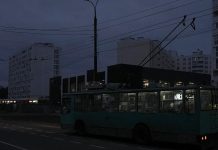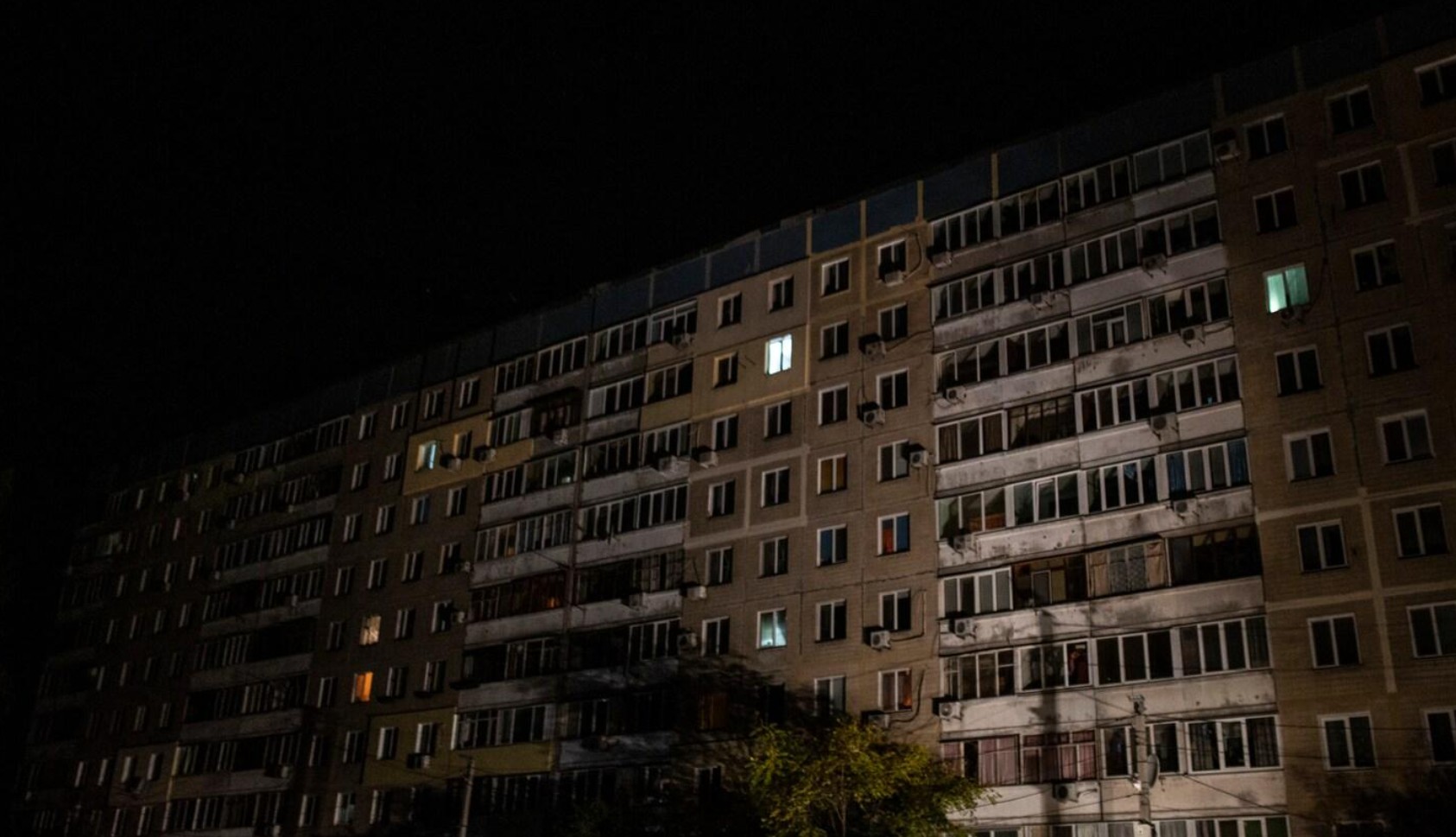
On the night of 8 November, Russian troops once again launched a massive attack on the energy infrastructure in the Dnipropetrovsk region. Around 800,000 households were left without electricity due to damage to key energy facilities. In Dnipro, the metro, trams and trolleybuses came to a standstill, whilst hospitals switched to emergency power supplies. Power companies have already restored electricity to 200,000 households, but approximately 600,000 remain without power.
- On the night of 8 November, Russia once again attacked the energy infrastructure in the Dnipropetrovsk region.
- Around 800,000 households were left without power due to damage to energy infrastructure.
- Power companies have already restored electricity supplies to 200,000 households, according to DTEK.
- The metro, trams and trolleybuses have been temporarily suspended in Dnipro.
Five districts in the Dnipropetrovsk region are without electricity
As a result of Russia’s night-time attack, key energy infrastructure facilities were damaged. Widespread power cuts affected the Dnipro, Dniprovskyi, Kam’yanskyi, Samarivskyi, Pavlohradskyi and Synelnykivskyi districts of the region.
According to DTEK, in total Around 800,000 families were left without electricity. Emergency repair teams worked through the night to restore power to critical infrastructure as a matter of priority.
The company subsequently reported that power had been restored to 200,000 households. Most critical infrastructure facilities have also been reconnected to the electricity grid, although power supplies to a significant proportion of the population remain disrupted.
Repair work is being hampered by renewed Russian attacks and air raid alerts. Energy workers are forced to halt work whenever there is an immediate threat to staff.
The metro and electric transport services have been suspended in Dnipro
The power cut had an impact on public transport services in the regional capital. On the morning of 8 November, train services on the Dnipro Metro were temporarily suspended due to an emergency power cut.
According to the municipal utility company, power cuts affecting the underground began at 05:18. Despite the trains being halted, the underground stations continued to operate as shelters for the public during air raid alerts.
In addition, all tram and trolleybus services in the city have been suspended due to a power cut at the traction substations. The city’s transport department has announced temporary restrictions, but has not specified when services will resume.
Hospitals and other critical infrastructure facilities were switched to generator power. This enabled vital services to continue operating whilst power companies repaired the damaged networks.
Russia has been attacking the region’s power grid for several days running
Problems with power supply The situation in the Dnipropetrovsk region has escalated following a series of Russian strikes that have been ongoing since 29 October. Over the past few days, Russian forces have repeatedly attacked energy infrastructure in the region, including equipment that had already been damaged.
On the evening of 7 November Alexander Ganzha reported that more than 60,000 customers were without power in Dnipro itself. Following a further night-time attack, the number of people affected by the power cuts rose across the entire region.
DTEK states that restoring the electricity supply to critical infrastructure remains a top priority. The company is also urging residents who do have electricity to use it sparingly in order to reduce the strain on the damaged power grid.
According to DTEK’s latest update, approximately 600,000 households in the Dnipropetrovsk region are still without power. The company has not announced a precise timeline for the full restoration of the electricity supply.