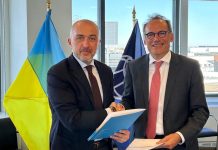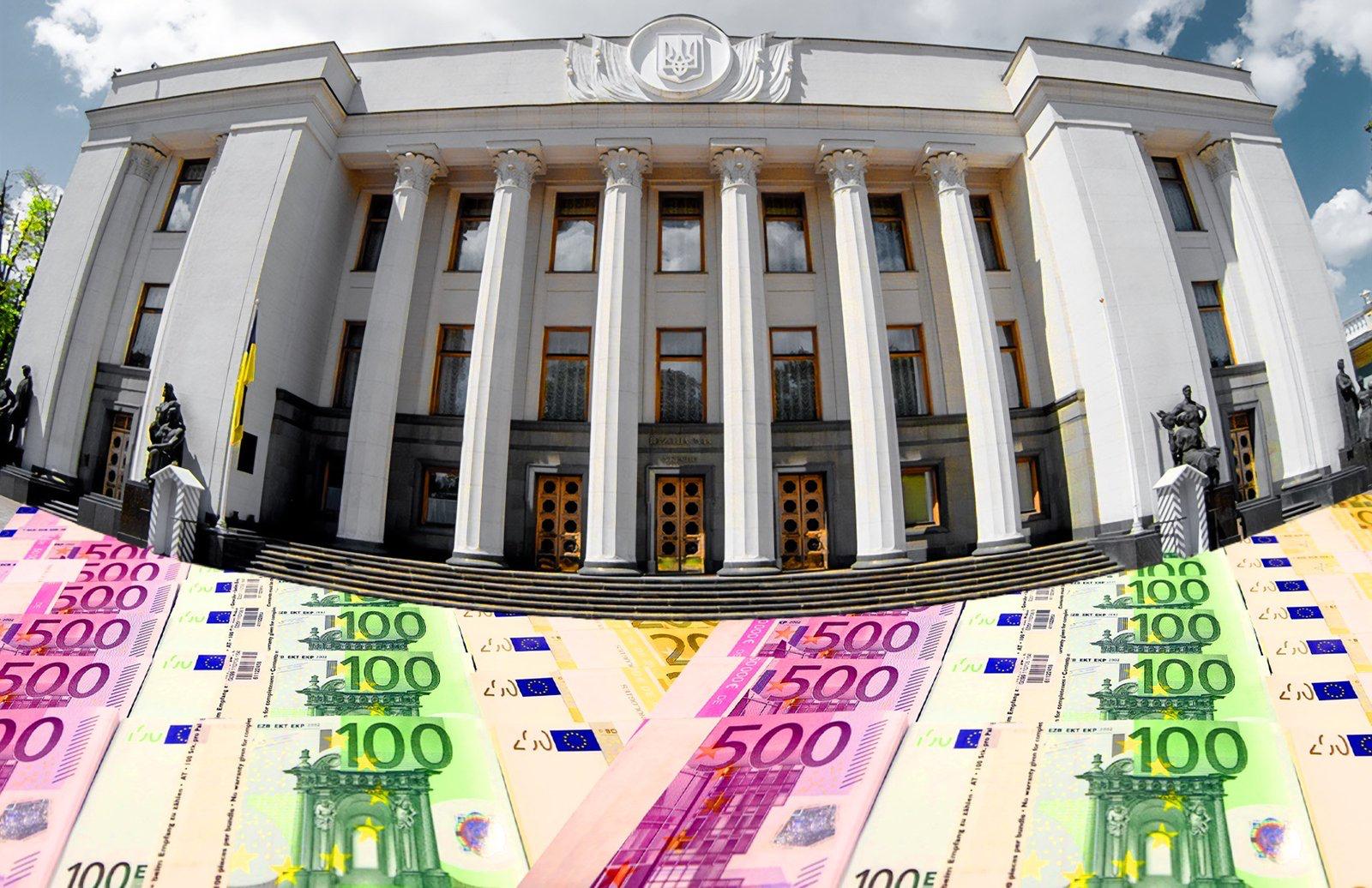
On 28 May, the Ukrainian parliament ratified a €90 billion agreement with the European Union that provides macro-financial assistance and a number of economic reforms. The funds will be disbursed in tranches in 2026-2027, and their receipt is tied to the fulfilment of strict tax obligations. Part of the money is earmarked for defence and social support, including the purchase of drones and mobilisation reform.
Briefly about the main points
- Rada ratifies EUR 90 billion agreement with the EU for 2026-2027
- Next year, Ukraine will receive €45 billion, including €28.3 billion for defence
- Interest on the loan will be covered by the EU, with the amount to be repaid from frozen Russian assets
- Reforms will affect small businesses and extend military duty for another three years
Unique financial support from the EU for Ukraine
The Verkhovna Rada ratified an agreement on a €90 billion EU loan spread over two years - €45 billion annually. Next year, 28.3 billion of these funds will be used for defence, including the purchase of drones, and 16.7 billion will be used to cover the budget deficit and social payments. Interest on the loan will be covered by the EU, and the principal amount will be repaid from frozen Russian assets.
Tough tax reforms as a condition for financing
Receipt of the funds is conditional on fulfilling a number of economic and tax obligations. In particular, the agreement provides for the introduction of VAT on international parcels worth up to EUR 150, which are received by about 75-76 million Ukrainians every year. This new tax will affect most families who buy goods through online platforms from abroad.
In addition, the agreement provides for new taxes for digital platforms, marketplaces, taxi and delivery services, as well as reform of the simplified taxation system. For some individual entrepreneurs, this may mean losing the opportunity to operate under the simplified system due to the introduction of VAT and the fight against business fragmentation schemes. Experts warn that this could lead to higher prices, a reduction in small businesses, and a shift of some entrepreneurs into the shadow economy.
Political and social challenges of the agreement
The agreement sparked heated debate among MPs, businesses and the public. The parcel tax bill was voted down by the Verkhovna Rada on 26 May, indicating serious political opposition. The vote for ratification was rushed, which meant that many MPs did not have time to read the document in detail. The agreement was supported mainly by the Servants of the People and a few other factions, while the opposition practically did not vote.
Military aspects and mobilisation reform
Ministry of Defence links the receipt of assistance to plans for mobilisation reform, which will start in June 2026. In particular, it includes a transition to contracts with guaranteed demobilisation after the end of service. This reform depends on EU funding and is important for the military and society.
Balance between financial assistance and economic obligations
Ukraine is facing a difficult choice: to receive record financial support, but to meet tough conditions that could affect small businesses and the welfare of the population. Dependence on IMF requirements and external control over reforms provide predictability for partners, but increase pressure on the state economy. The main question is whether the government will be able to implement the changes without a significant social impact.