Iran's war has led to a significant increase in electricity prices in Europe. Energy companies and EU governments are stepping up investments in renewables to reduce dependence on imports.
Iran's war shakes up electricity prices in Europe
The armed conflict involving Iran has led to a sharp rise in electricity prices in the European Union. According to Reuters, The energy market is experiencing a new round of instability due to geopolitical tensions in the Middle East. Experts note that Iran's military actions have become a key factor that has affected the cost of electricity for consumers and businesses in Europe.
European countries are forced to respond to price increase, The government is reviewing its energy security policy. Increased energy costs have already been felt by both industrial consumers and households. Governments are developing new strategies to reduce the impact of external factors on national energy systems.
Renewable energy becomes a priority
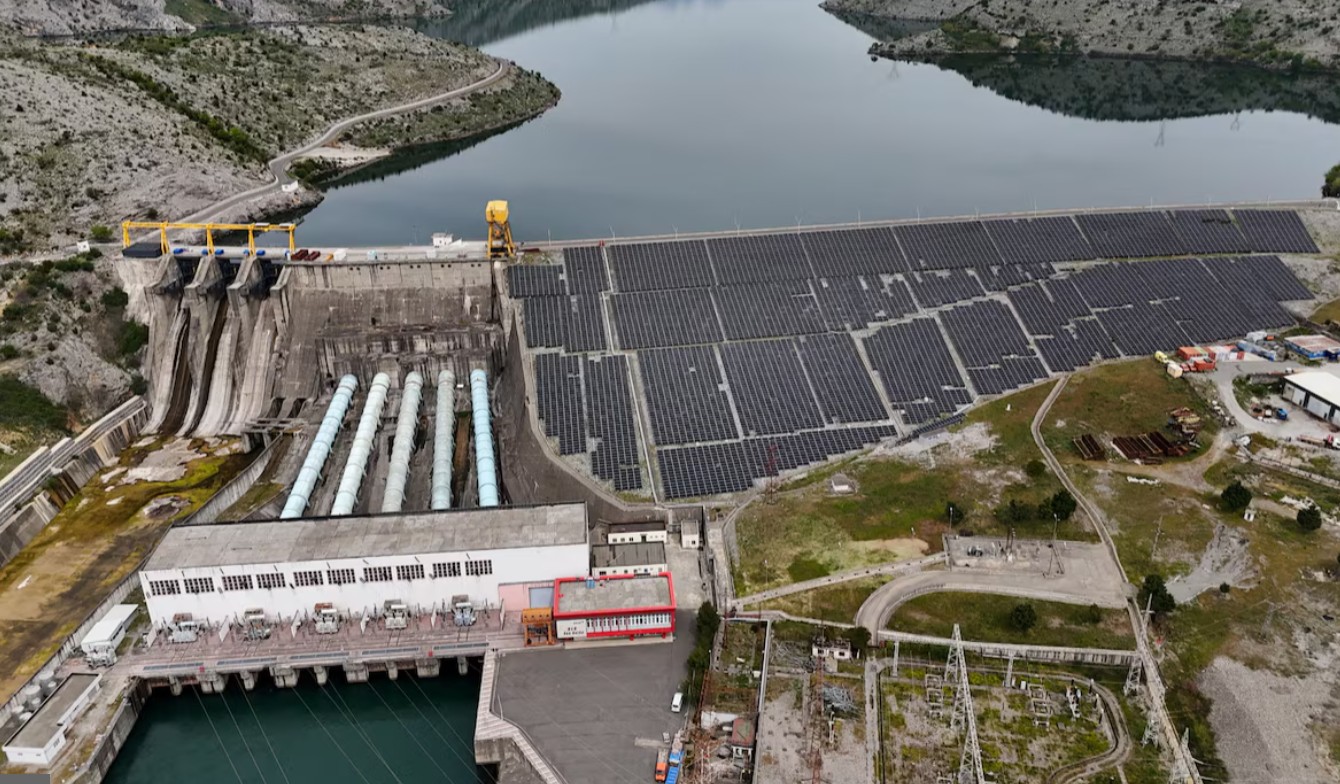
Amid rising electricity prices, interest in renewable energy sources is growing. European investors and energy companies are stepping up funding for projects in the following areas solar and wind energy. According to industry analysts, demand for green energy has reached record levels in recent years.
Renewable energy is seen as a key element in reducing dependence on energy imports from regions with ongoing military conflicts. However, experts point out that the transition to a new model will take time and require significant investment in modernising the energy infrastructure.
EU tightens energy policy
The European Union has already announced a number of policy initiatives aimed at increasing energy independence. Member states are revising their energy development plans and expanding support programmes for the renewable energy sector. Some countries are preparing additional financial incentives for companies implementing innovative energy technologies.
The strengthening of the EU's energy policy aims to protect economies from external shocks and ensure the stability of electricity supplies in the long term. At the same time, governments face challenges in balancing consumer prices with the needs of the energy transition.
Why it matters
Rising electricity prices in Europe have a direct impact on the competitiveness of the economy, inflation and the welfare of the population. Rising energy costs are forcing companies to review their production processes and look for ways to optimise costs.
In the long run, the events related to the Iranian war may become a catalyst for a large-scale transformation of the EU energy sector. Energy security and the resilience of European countries to new geopolitical risks will depend on the effectiveness of renewable energy implementation.